Create Your Garden

Corylus avellana (European Hazelnut)

Hazel, Cobnut, Common Filbert, European Hazelnut, Hale Nut, Hazelnut, Stock Nut, Wood Nut
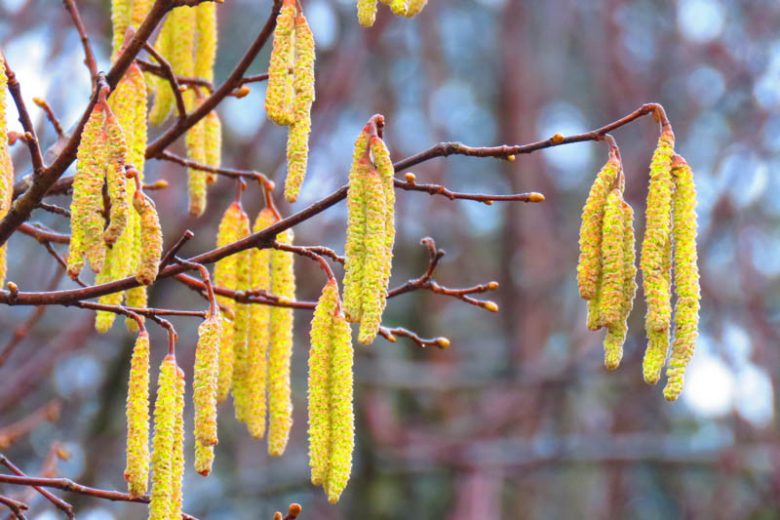
Corylus avellana, Hazel, Cobnut, Common Filbert, European Hazelnut, Hale Nut, Hazelnut, Stock Nut, Wood Nut, Deciduous Shrubs, Fall color, Yellow catkins
Hazelnut, Filbert, Hazel, Cobnut, Hale Nut, Wood Nut, Corylus avellana, Deciduous Shrubs, Fall color, Yellow catkins
Hazelnut, Filbert, Hazel, Cobnut, Common Filbert, European Hazelnut, Wood Nut, Corylus avellana, Deciduous Shrubs, Fall color, Yellow catkins
Hazelnut, Hazel, Filbert, Nut, Nuts, Corylus avellana
Corylus avellana, Hazel, Cobnut, Common Filbert, European Hazelnut, Hale Nut, Hazelnut, Stock Nut, Wood Nut, Deciduous Shrubs, Fall color, Yellow catkins
Hazelnut, Hazel, Filbert, Nut, Nuts, Corylus avellana
Hazelnut, Filbert, Hazel, Corylus avellana

European Hazelnut – Corylus avellana: The Sweet Shrub of the Old World

Corylus avellana, commonly known as the European Hazelnut or Common Hazel, is a multi-stemmed deciduous shrub native to Europe and parts of western Asia. It’s the main source of commercially grown hazelnuts and is cherished for its tasty nuts, wildlife value, and versatility in hedgerows, gardens, and orchards. Other notable hazelnut species include the American hazelnut (Corylus americana), the beaked hazelnut (Corylus cornuta), and the California hazelnut (Corylus cornuta californica).

Hazelnuts belong to the birch family (Betulaceae), making them botanical cousins to red, white or smooth alders, European and American hornbeams, and birches.

This species is the foundation of popular hazelnut varieties like ‘Barcelona’ and ‘Tonda di Giffoni’.

Native Range

Corylus avellana is native across much of Europe, from the British Isles through Scandinavia, France, Germany, Italy, and into the Balkans and Turkey. It grows naturally in woodlands, hedgerows, and forest edges. In North America, it’s widely cultivated and has naturalized in parts of the northeastern U.S. and Pacific Northwest.

Turkey is the world’s leading producer, accounting for over half of global production, followed by Italy, the USA (notably Oregon and Washington), Azerbaijan, and Georgia

This hazel prefers well-drained, moderately fertile soils and full sun to part shade. It’s tolerant of a range of conditions but does best in temperate climates with cool winters and warm summers.

Plant Type and Habit

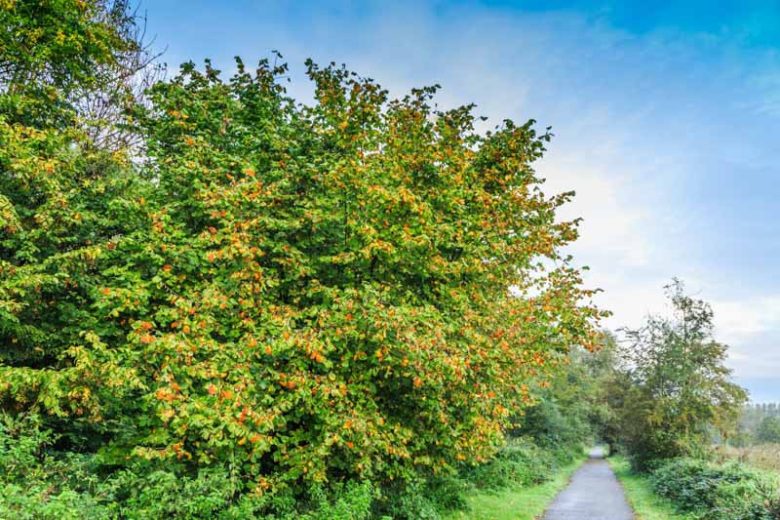
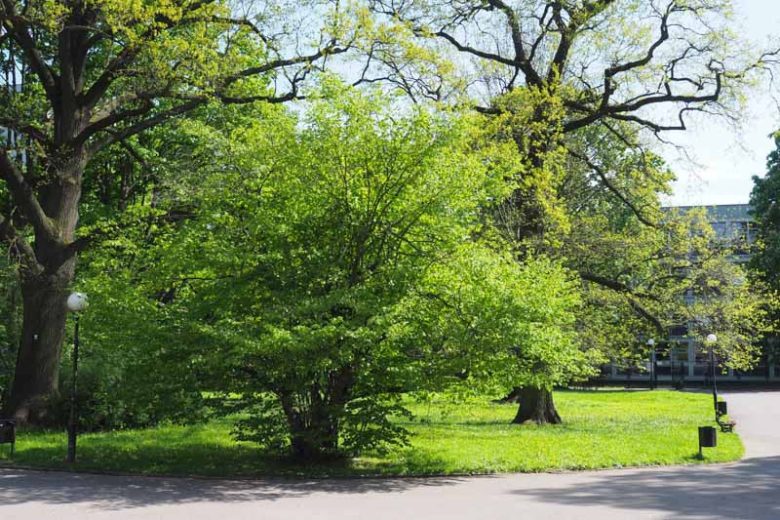
European hazelnut is a deciduous, multi-stemmed shrub, though it can be pruned into a small tree. It forms a thicket of arching stems from the base, making it ideal for natural screens and edible hedges. Its leaf drop in fall adds seasonal interest and helps recycle nutrients back into the soil.

Size

Corylus avellana typically reaches a height of 10–20 feet (3–6 meters), but can occasionally grow up to 40-50 feet (12-15 meters) if left unpruned. Its spread is generally 8-15 feet (2.4-4.5 meters). Cultivated orchard forms are often pruned for accessibility and increased nut production, but when grown informally, it can develop into a broad, thicket-like shrub over time.

Lifespan

Hazelnut shrubs can live for 40–60 years or more with proper care and coppicing. They often rejuvenate from the base, maintaining a productive shape over time.

Flowers

Hazelnuts are monoecious, producing long yellow male catkins and tiny red-tipped female flowers on the same plant in late winter or early spring—often before leaves emerge. They rely on wind pollination and often require two different cultivars nearby for best nut yield.

Fruits

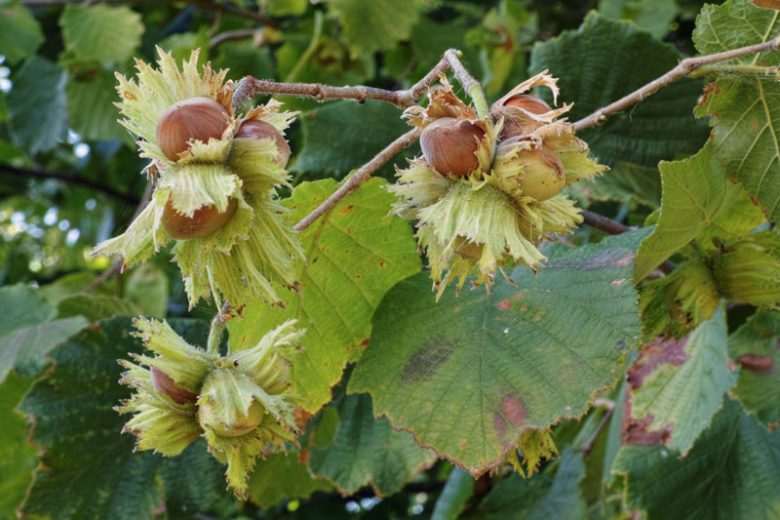
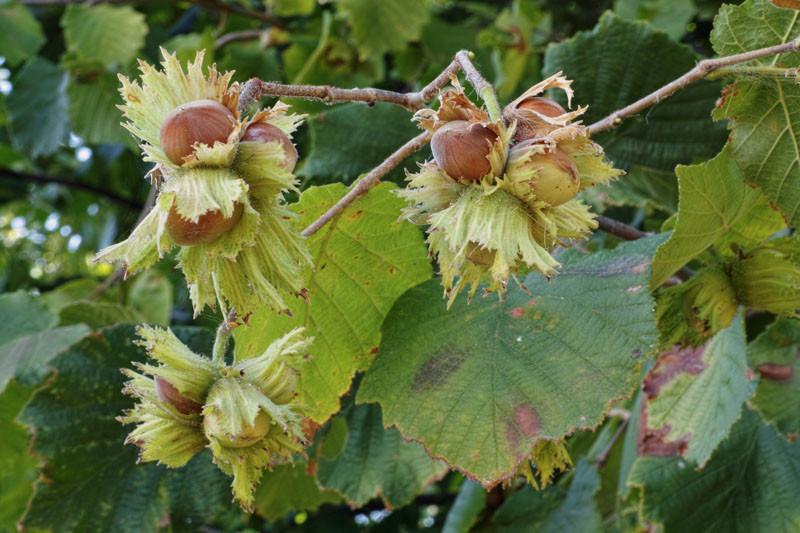
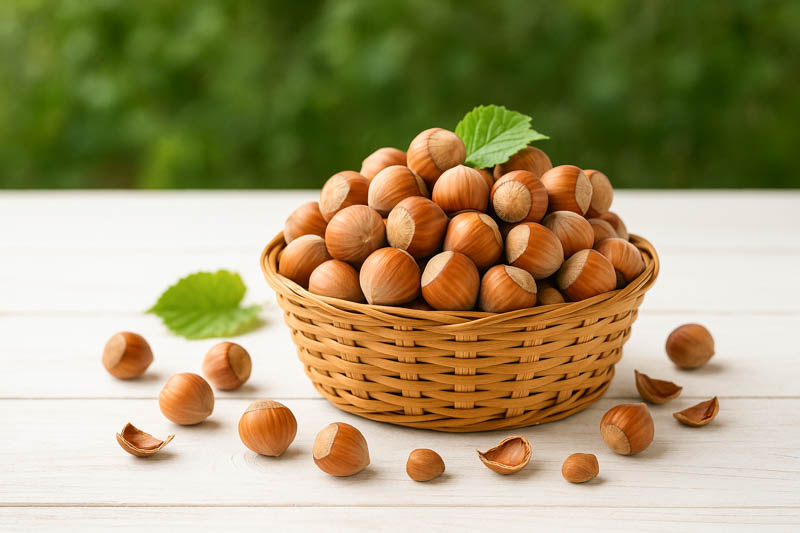
The nuts mature in late summer or early fall, encased in leafy husks called involucres. When ripe, the nuts fall to the ground or can be shaken free. Hazelnuts have thin shells and sweet, creamy kernels—perfect for roasting or eating raw. They’re the key ingredient in spreads like Nutella and many desserts.

Foliage

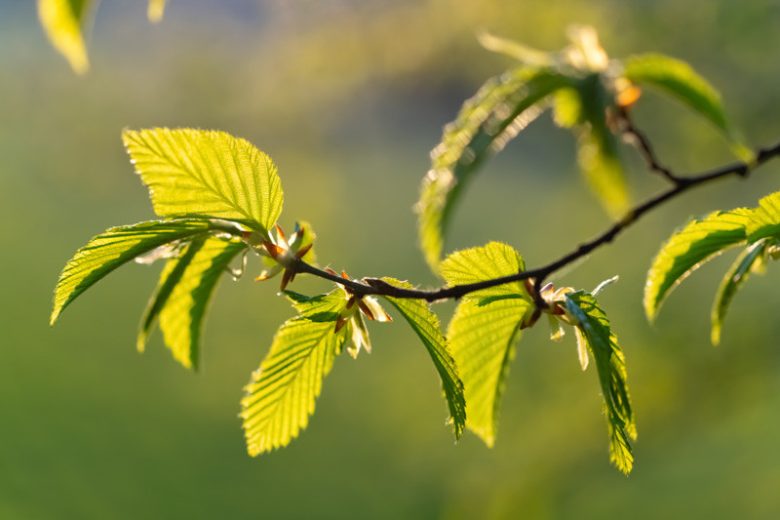
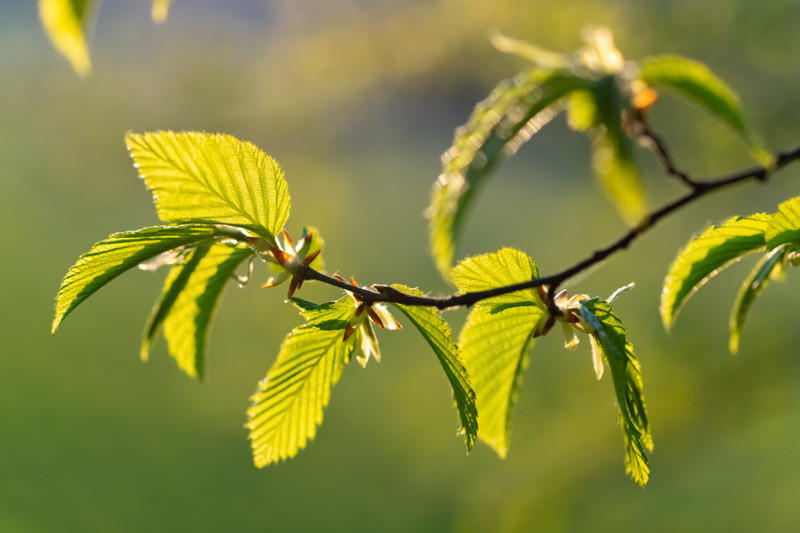
Leaves are broadly oval with double-serrated edges and a slightly rough texture. They turn yellow in fall and provide excellent seasonal interest.
Hazelnut, Filbert, Hazel, Corylus avellana

Bark

The bark is smooth and gray-brown, with prominent lenticels (pores). Older stems may develop a slightly scaly texture.

Hardiness

Hardy in USDA zones 4–8. European hazelnut is cold-tolerant and suitable for a wide range of temperate regions.

Uses

  • Nut Production: Valued for their rich, toasty flavor, hazelnuts are grown commercially and in home gardens for snacking, roasting, and baking.
  • Culinary Delights: Hazelnuts are a key ingredient in desserts like gianduja, pralines, and chocolate spreads, as well as in savory dishes and nut oils.
  • Wildlife Hedge: The dense, shrubby growth provides shelter and nesting sites for birds and small mammals. The nuts are also a seasonal food source for wildlife.
  • Ornamental: With graceful catkins and lush summer foliage, hazelnut makes a charming addition to edible or wildlife-friendly landscapes.
  • Hedgerows and Screens: Commonly used in traditional European hedgerows for its thick form and ability to regenerate when coppiced.
  • Edible Garden: An excellent fit for forest gardens, permaculture plantings, or mixed edible borders.
  • Traditional Use: Historically, flexible branches were used for wattle fencing, walking sticks, and even dowsing rods in folklore and rural crafts.

Wildlife Value

European hazelnuts attract a wide range of wildlife. Birds such as jays and woodpeckers feast on the nuts, while small mammals like squirrels and mice rely on them for winter food. The dense growth also provides nesting cover and shelter.

Pollinators, though not required for wind pollination, may visit early catkins for pollen. The shrub supports insect biodiversity, enriching its surrounding ecosystem.

Deer and Rabbit Resistance

Young shoots are sometimes browsed, especially in areas with high deer pressure. Protective fencing may be necessary until established.

Toxicity

Hazelnuts are non-toxic to humans and animals. However, they can cause allergic reactions in sensitive individuals and are among the more common tree nut allergens.

Invasiveness

Corylus avellana is not considered invasive in most areas, but its suckering habit means it can spread if unmanaged. Regular pruning or root control helps keep it in check. Check where this species is invasive in the United States.
Hazelnut, Filbert, Hazel, Cobnut, Common Filbert, European Hazelnut, Wood Nut, Corylus avellana, Deciduous Shrubs, Fall color, Yellow catkins


Benefits and Drawbacks of Hazelnut Trees

Benefits of Hazelnut Trees

  • Delicious Nuts: Hazelnuts are sweet, nutritious, and versatile—ideal for snacking, baking, or making spreads like Nutella and pralines.
  • Fast to Produce: Hazelnuts begin producing nuts earlier than most nut trees—typically within 3–5 years of planting.
  • Compact Growth: With their shrubby form, hazelnuts are perfect for small spaces, edible gardens, and hedgerows.
  • Wildlife Friendly: Birds, squirrels, and other mammals love hazelnuts, and the dense growth provides excellent shelter and nesting habitat.
  • Cold Hardy: European hazelnuts grow well in USDA zones 4–8 and tolerate a variety of temperate climates.
  • Low Maintenance: Once established, hazelnuts require minimal input—especially when grown informally or as coppiced thickets.
  • Multi-Functional: Great for hedgerows, windbreaks, permaculture plantings, and coppice systems for both nuts and wood biomass.
  • Soil and Climate Benefits: Hazelnuts help reduce erosion, improve soil health, and sequester carbon, offering climate resilience benefits.
  • Economic Value: With increasing demand in global markets, hazelnuts can be a valuable long-term crop for small growers and orchardists.
  • Tolerant of Poor Soils: While they prefer well-drained loam, hazelnuts can perform surprisingly well in marginal soils.

Drawbacks of Hazelnut Trees

  • Cross-Pollination Required: Most hazelnuts are not self-fertile, so at least two compatible varieties are needed for a good crop.
  • Eastern Filbert Blight: A major fungal disease that can disfigure or kill trees if not properly managed, especially in humid regions.
  • Nut Predators: Squirrels and other wildlife often harvest hazelnuts before you do.
  • Allergy Risk: Hazelnuts are a common food allergen and may not be suitable for every household or public planting.
  • Suckering Growth Habit: Shrubs can spread aggressively via suckers, which is useful in hedgerows but needs control in formal plantings.
  • Drought Sensitivity: Consistent moisture is needed during nut development; trees may suffer in prolonged dry periods.
  • Other Pests and Diseases: Besides filbert blight, watch for bacterial blight, crown gall, and pests like filbertworm or aphids.
  • Climate Vulnerability: Hazelnuts can be sensitive to late frosts and increasing climate variability, especially in commercial production zones.
  • Biennial Bearing Risk: Without regular pruning and thinning, some cultivars may alternate heavy and light production years.

If you’re looking for a compact, productive, and wildlife-supportive nut plant, hazelnuts are a solid choice—especially when planted with disease resistance, pollination partners, and climate in mind.

Hazelnut, Filbert, Hazel, Cobnut, Hale Nut, Wood Nut, Corylus avellana, Deciduous Shrubs, Fall color, Yellow catkins


How to Grow and Care for a Hazelnut Tree

Thinking of adding hazelnuts to your garden? Great choice! These compact nut producers are easy to grow, quick to mature, and perfect for backyard orchards or edible landscapes.

Choosing the Right Site

  • Sunlight: Hazelnuts thrive in full sun. Aim for at least 6 hours of direct sunlight daily for best nut production.
  • Soil: Well-drained, loamy soil is ideal. They tolerate a wide range of soils but don’t like soggy conditions.
  • Spacing: Plant shrubs 10–15 feet apart to give them room to spread and for good air circulation.

Planting Tips

  • Timing: Plant bare-root or container-grown trees in early spring or fall while they’re dormant.
  • Pollination: You’ll need at least two different, compatible hazelnut varieties to ensure cross-pollination and a good crop.
  • Mulching: Apply mulch to suppress weeds and retain moisture, but keep it away from the trunk.

Watering and Fertilizing

  • Watering: Keep soil consistently moist during the first year. Mature shrubs are drought-tolerant but benefit from occasional deep watering during dry spells.
  • Fertilizing: Apply a balanced fertilizer in early spring if growth appears slow. Avoid overfeeding, which can lead to excess leafy growth at the expense of nuts.

Pruning and Maintenance

  • Prune annually: Remove dead or crossing branches and suckers at the base to maintain airflow and shape.
  • Monitor for pests: Watch for squirrels, aphids, or signs of Eastern Filbert Blight. Remove infected wood promptly and clean up fallen leaves.

With just a little attention, hazelnuts can become a productive, long-lived part of your edible garden—providing both beauty and a bountiful harvest.
Hazelnut, Hazel, Filbert, Nut, Nuts, Corylus avellana


How to Harvest Hazelnuts

Harvesting hazelnuts is simple, satisfying, and a bit like a treasure hunt! The nuts usually ripen in late summer to early fall—watch closely so you don’t miss them.

When to Harvest

  • Look for color changes: Nuts are ready when the husks turn brown and start to open slightly.
  • Let them fall: Most ripe hazelnuts naturally drop from the shrub. Collect them from the ground daily to avoid spoilage or hungry squirrels.
  • Hand-pick if needed: If you’re feeling proactive, gently twist or pull the nuts from the branches once husks begin loosening.

Tips for Easier Harvesting

  • Use a tarp: Place a tarp under the tree and shake gently to gather fallen nuts with less effort.
  • Wear gloves: Some husks can be slightly prickly—gloves make the job more comfortable.

Hazelnut, Hazel, Filbert, Nut, Nuts, Corylus avellana


How to Store Hazelnuts

Once you’ve gathered your harvest, proper storage is key to keeping those tasty nuts fresh and flavorful for months to come.

Drying

  • Air-dry in the shell: Spread the nuts in a single layer in a cool, well-ventilated space. Let them dry for 2–4 weeks until the shells feel dry and the kernels rattle inside.
  • Crack and test: Once dry, crack a few. If the nuts taste sweet and snap cleanly, they’re ready.

Storage Tips

  • In-shell: Store in a breathable container like a mesh bag in a cool, dark spot—pantry or cellar is perfect.
  • Shelled nuts: Keep in an airtight container. For longer shelf life, refrigerate or freeze to prevent rancidity.
  • Keep them dry: Moisture is the enemy! Make sure nuts are completely dry before sealing.

Properly stored, hazelnuts can last for up to a year—plenty of time to enjoy them roasted, baked, or straight out of the shell!

Hazelnut, Hazel, Filbert, Nut, Nuts, Corylus avellana


How to Propagate Hazelnuts

Want more hazelnuts without buying new plants? You’re in luck—hazelnuts are surprisingly easy to propagate. Whether you’re into growing from seed or prefer cloning your favorite shrub, here’s how to do it.

Propagation by Seed

  • Collect ripe nuts: Gather fully mature hazelnuts in fall. Choose healthy, plump ones from disease-free plants.
  • Cold stratify: Store seeds in moist sand or peat moss in the fridge for 90–120 days. This mimics winter and helps them break dormancy.
  • Spring planting: Plant stratified seeds 1–2 inches deep in well-drained soil outdoors once the danger of frost has passed.
  • Be patient: Seedlings may take a few years to bear nuts, and results can vary—seed-grown plants aren’t always true to the parent.

Propagation by Suckers

  • Take advantage of nature: Hazelnut shrubs naturally send up suckers from the base. These can be dug up and replanted.
  • Best timing: Late winter or early spring, while the plant is dormant, is the best time to separate suckers.
  • Replant with care: Make sure each sucker has roots attached. Plant in a sunny, well-drained spot and water regularly until established.

Propagation by Layering

  • Low branch method: Bend a flexible, low-growing branch to the ground and bury a portion of it under soil, leaving the tip exposed.
  • Secure and wait: Pin the branch in place with a rock or wire. Roots will form at the buried section in a few months to a year.
  • Transplant: Once rooted, cut the new plant from the parent and replant it in your chosen location.

However you choose to propagate, hazelnuts are generous growers—and spreading them around your yard or orchard is both fun and rewarding!

Hazelnut, Hazel, Filbert, Nut, Nuts, Corylus avellana


Common Pests and Diseases of Hazelnut Trees

Hazelnut trees are hardy and productive, but like any plant, they can attract a few unwelcome guests. From munching insects to sneaky fungi, here are the main issues to watch out for—and how to handle them.

Common Pests

  • Filbertworm: This moth’s larvae bore into developing nuts, ruining the crop. Use pheromone traps and remove infested nuts to reduce populations.
  • Filbert Bud Mite: These microscopic pests damage buds and flowers, reducing yields. Dormant oil sprays can help suppress populations.
  • Leafrollers: Caterpillars that roll and chew young leaves. Hand-pick or use Bt sprays if populations are high.
  • Brown Marmorated Stink Bug: A newer pest that pierces nuts and causes deformities. Monitor and manage with traps or exclusion techniques.
  • Eastern Filbert Blight Beetle: Often linked with diseased wood. Remove and destroy infected limbs to disrupt the cycle.
  • Aphids: Cluster on new growth, sucking sap and encouraging sooty mold. Support natural predators like ladybugs and use insecticidal soap if needed.
  • Scale insects: These small pests weaken trees over time by sucking sap from branches and stems.
  • Squirrels: Known for raiding hazelnut trees before harvest. Use netting, tree collars, or other physical barriers to limit damage.
  • Other vertebrate pests: Gophers, voles, deer, and birds may damage roots, bark, or developing nuts, especially in orchard settings.

Common Diseases

  • Eastern Filbert Blight: A serious fungal disease that causes cankers and dieback. Prune infected limbs in late winter and plant resistant cultivars.
  • Bacterial Blight: Causes bud dieback and shoot wilting, especially in wet weather. Avoid overhead watering and prune in dry conditions.
  • Crown Gall: Caused by a soil bacterium that leads to swollen galls at the root crown. Avoid wounding roots and select clean nursery stock.
  • Leaf spots: Causes brown or black lesions on leaves, which can reduce vigor over time. Rake fallen leaves and improve airflow.
  • Powdery mildew: A white, powdery fungus on leaves, common in humid conditions. Thin the canopy and use fungicidal sprays if needed.
  • Root rot: Caused by poor drainage. Ensure soil drains well and avoid planting in waterlogged sites.
  • Monilinia (Brown Rot): Though rare on hazelnuts, this fungal infection may affect flowers and twigs in humid spring conditions.

Prevention Tips

  • Choose resistant varieties: Many new hazelnut hybrids resist Eastern Filbert Blight and other diseases.
  • Prune for air circulation: Keep the interior open to reduce humidity and fungal risk.
  • Sanitize regularly: Remove and dispose of infected wood, fallen leaves, and nuts to reduce overwintering pests and spores.
  • Monitor regularly: Check trees throughout the season for early signs of trouble, including distorted leaves or cankers.
  • Use biological controls: Encourage beneficial insects like ladybugs, lacewings, and parasitoid wasps such as Trioxys pallidus to manage pests naturally.

With just a bit of vigilance and care, your hazelnut tree can remain healthy, attractive, and bountiful for many years.

Hazelnut, Hazel, Filbert, Nut, Nuts, Corylus avellana


Hazelnut FAQs

Is hazelnut a tree nut?

Yes, hazelnuts are classified as tree nuts. They grow on hazel trees and are part of the same botanical family as walnuts and chestnuts.

What is the difference between a hazelnut and a filbert?

Hazelnut and filbert are two names for the same nut. “Filbert” is more commonly used in certain regions and for specific cultivated varieties.

Where are hazelnuts grown?

Hazelnuts are primarily grown in temperate regions. Major producers include Turkey, Italy, and the United States—especially Oregon’s Willamette Valley.

How long do hazelnuts last, and how should they be stored?

Raw hazelnuts last 3–6 months at room temperature, up to a year in the refrigerator, and even longer in the freezer. Store them in a cool, dry place or refrigerate/freeze to prevent rancidity.

How many hazelnuts should you eat per day?

About 30 grams per day—roughly 20 hazelnuts—is a healthy serving size. They’re packed with healthy fats, fiber, and antioxidants.

Can you eat hazelnuts raw?

Yes, hazelnuts can be eaten raw or roasted. Roasting enhances their flavor and gives them a crunchier texture.

How do you know if hazelnuts have gone bad?

Rancid hazelnuts may smell like paint or sour oil. While eating a few might not harm you, they’re no longer fresh or enjoyable.

How long does it take for a hazelnut tree to produce nuts?

It usually takes about 4 years after planting for a hazelnut tree to start producing a harvestable crop.

Do hazelnut trees need a pollinator?

Yes, most hazelnut varieties need cross-pollination. Plant at least two compatible cultivars near each other for good nut production.

When are hazelnuts harvested?

Hazelnuts drop naturally to the ground when ripe, usually in September or October. They are then gathered and cleaned.

Why aren’t hazelnuts grown everywhere?

Hazelnuts require well-drained soil and a temperate climate. They don’t tolerate extreme cold, intense heat, or wet conditions well.

What are common uses for hazelnuts?

Hazelnuts are popular in snacks, baked goods, spreads (like chocolate hazelnut), confectionery, and savory dishes. They add crunch, flavor, and nutrition.

How can you remove hazelnut skins?

After roasting, wrap warm hazelnuts in a kitchen towel and rub gently to remove the papery skins. It’s a quick trick for recipes that call for skinless nuts.

Requirements

Hardiness 4 - 8
Heat Zones 1 - 8
Climate Zones 2, 2A, 2B, 3, 3A, 3B, 4, 5, 6, 7, 8, 9, 14, 15, 16, 17, 18, 19, 20
Plant Type Shrubs, Trees
Plant Family Betulaceae
Common names Hazelnut
Exposure Full Sun, Partial Sun
Season of Interest Spring (Early, Mid, Late), Summer (Early, Mid, Late), Fall, Winter
Height 10' - 20' (3m - 6.1m)
Spread 8' - 15' (240cm - 4.6m)
Spacing 96" - 180" (240cm - 4.6m)
Maintenance Low
Water Needs Average
Soil Type Chalk, Loam, Sand
Soil pH Alkaline, Neutral
Soil Drainage Moist but Well-Drained, Well-Drained
Characteristics Showy, Fruit & Berries
Native Plants United Kingdom
Attracts Bees, Birds
Garden Uses Hedges And Screens
Garden Styles Informal and Cottage, Prairie and Meadow
How Many Plants
Do I Need?

Recommended Companion Plants

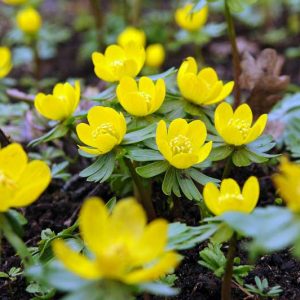
Eranthis hyemalis (Winter Aconite)
Crocus tommasinianus ‘Ruby Giant’ (Early Crocus)
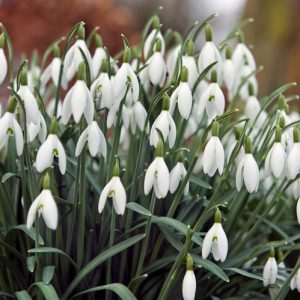
Galanthus nivalis (Snowdrop)
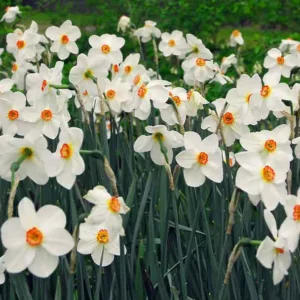
Narcissus poeticus var. recurvus (Poeticus Daffodil)
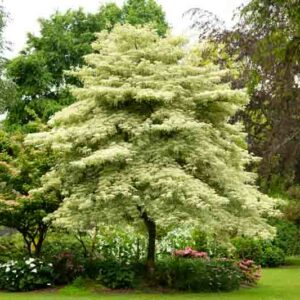
Cornus controversa ‘Variegata’ (Wedding Cake Tree)
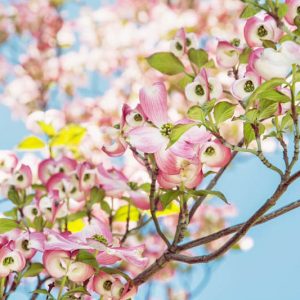
Cornus florida (Flowering Dogwood)
While every effort has been made to describe these plants accurately, please keep in mind that height, bloom time, and color may differ in various climates. The description of these plants has been written based on numerous outside resources.
Buy Plants

Requirements

Hardiness 4 - 8
Heat Zones 1 - 8
Climate Zones 2, 2A, 2B, 3, 3A, 3B, 4, 5, 6, 7, 8, 9, 14, 15, 16, 17, 18, 19, 20
Plant Type Shrubs, Trees
Plant Family Betulaceae
Common names Hazelnut
Exposure Full Sun, Partial Sun
Season of Interest Spring (Early, Mid, Late), Summer (Early, Mid, Late), Fall, Winter
Height 10' - 20' (3m - 6.1m)
Spread 8' - 15' (240cm - 4.6m)
Spacing 96" - 180" (240cm - 4.6m)
Maintenance Low
Water Needs Average
Soil Type Chalk, Loam, Sand
Soil pH Alkaline, Neutral
Soil Drainage Moist but Well-Drained, Well-Drained
Characteristics Showy, Fruit & Berries
Native Plants United Kingdom
Attracts Bees, Birds
Garden Uses Hedges And Screens
Garden Styles Informal and Cottage, Prairie and Meadow
How Many Plants
Do I Need?

Gardening Ideas

Plant Calculator

How many Corylus avellana (European Hazelnut) do I need for my garden?

Input your garden space dimensions

Your Shopping List

Plant Quantity
Corylus avellana (European Hazelnut) N/A Buy Plants

Please Login to Proceed

You Have Reached The Free Limit, Please Subscribe to Proceed

Subscribe to Gardenia

To create additional collections, you must be a paid member of Gardenia
  • Add as many plants as you wish
  • Create and save up to 25 garden collections
Become a Member

Plant Added Successfully

Your garden is taking shape. Unlock full planning.

You’ve reached the free limit. Upgrade for $25/year to add as many plants as you wish and save up to 25 garden collections. Unlock Annual Membership

Update Your Credit
Card Information

Cancel

Create a New Collection

Sign Up to Our Newsletter

    You have been subscribed successfully

    Join Gardenia.net

    Create a membership account to save your garden designs and to view them on any device.

    Becoming a contributing member of Gardenia is easy and can be done in just a few minutes. If you provide us with your name, email address and the payment of a modest $25 annual membership fee, you will become a full member, enabling you to design and save up to 25 of your garden design ideas.

    Join now and start creating your dream garden!

    Join Gardenia.net

    Create a membership account to save your garden designs and to view them on any device.

    Becoming a contributing member of Gardenia is easy and can be done in just a few minutes. If you provide us with your name, email address and the payment of a modest $25 annual membership fee, you will become a full member, enabling you to design and save up to 25 of your garden design ideas.

    Join now and start creating your dream garden!
    Find your Hardiness Zone

    Find your Heat Zone

    Find your Climate Zone