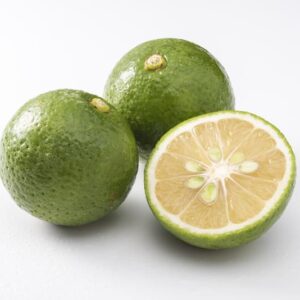
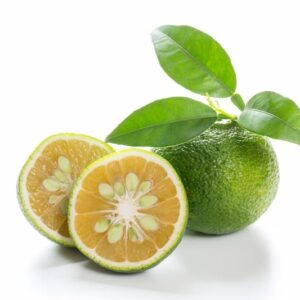
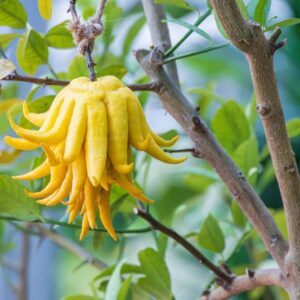
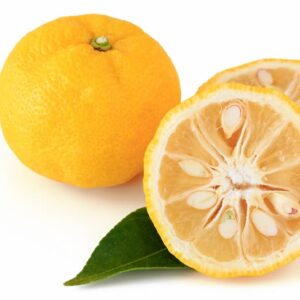
Tangelo, Honeybell, Orlando Tangelo, Minneola Tangelo, Jamaican Tangelo, Ugli Fruit, Uniq Fruit, Sunrise Tangelo, Mapo
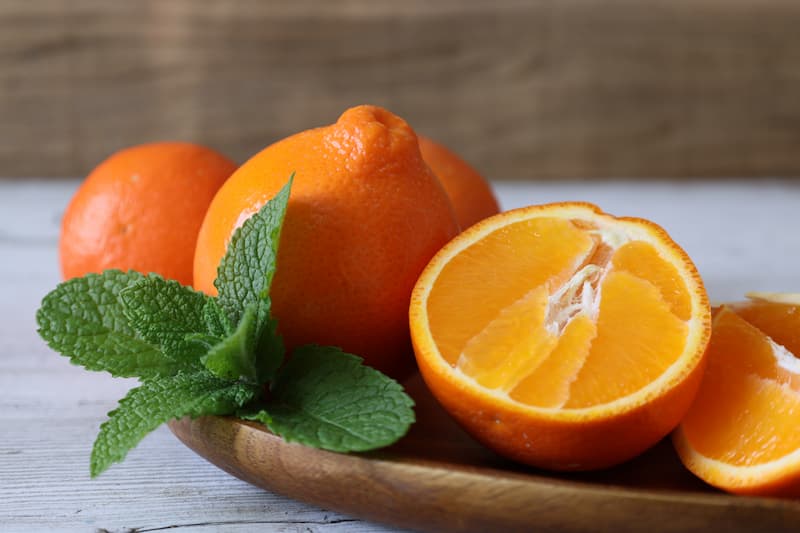
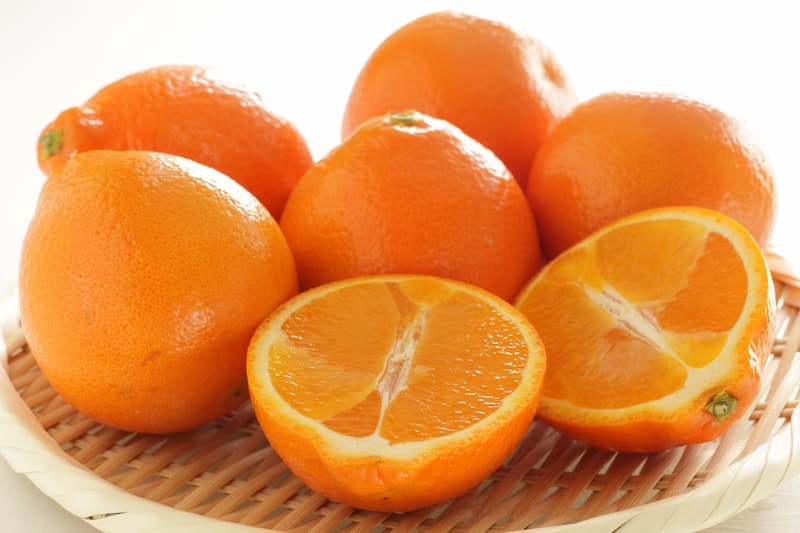
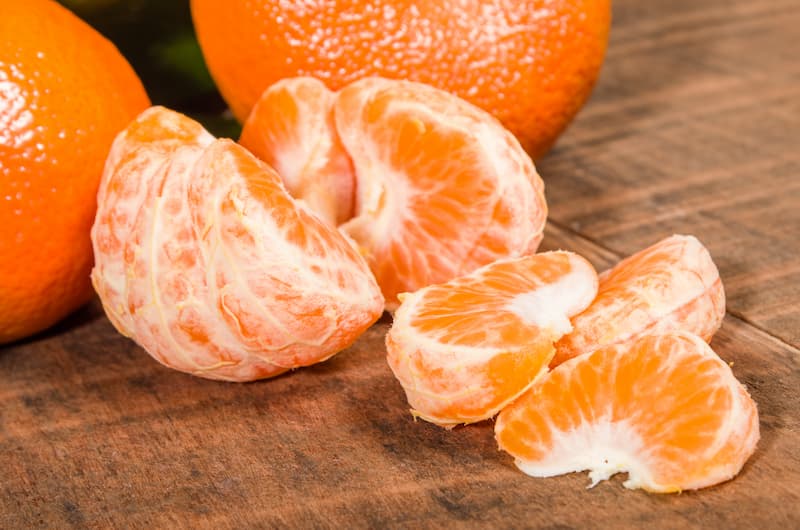


The tangelo tree (Citrus × tangelo) is a delightful citrus hybrid born from crossing a tangerine or mandarin orange with a grapefruit or pomelo. The result is a juicy, sweet-tart fruit with a distinctively rich citrus flavor. With loose skin, a signature necked shape, and excellent juicing qualities, tangelos have become a favorite for eating fresh, zesting, or transforming into marmalade and desserts. Among the most well-known cultivars are the Honeybell (Minneola), Orlando, and the uniquely rugged Jamaican tangelo.
The Tangelo is a broadleaf evergreen citrus tree in the Rutaceae family, related to clementine, citron, calamansi, and Key lime
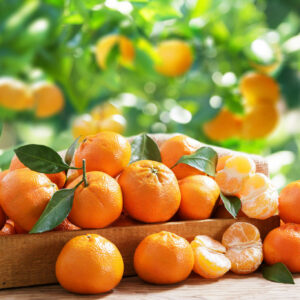
Tangelos are typically medium to large in size (about 3–4 inches or 7-10 cm in diameter), with smooth to slightly bumpy skin that is bright orange to reddish-orange. Many varieties, such as the Minneola, have a noticeable nipple or neck at the stem end, giving them a bell-like appearance. The flesh is juicy, aromatic, and divided into 10–12 tender segments. While some tangelos are nearly seedless, others may contain a handful of seeds.
Although the parent species are native to Southeast Asia, the tangelo hybrid was developed in the United States in the early 20th century. The Minneola was released in 1931 by the USDA Horticultural Research Station in Florida, and the Orlando originated even earlier, making Florida a central region for tangelo cultivation.
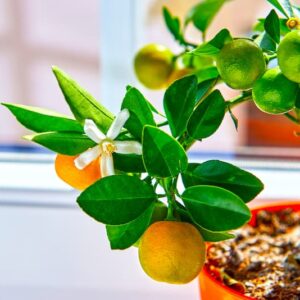
The tangelo tree has a rounded crown with arching branches and glossy green foliage. It is an evergreen citrus tree that grows vigorously and is well-suited to warm climates. Trees are attractive and productive, offering both ornamental value and a reliable fruit harvest.
Tangelo trees can grow 15–25 feet (4.5–7.5 m) tall and wide. They can also be grown in large containers and kept pruned to a smaller size, particularly in cooler zones where they need to be overwintered indoors or in a greenhouse.
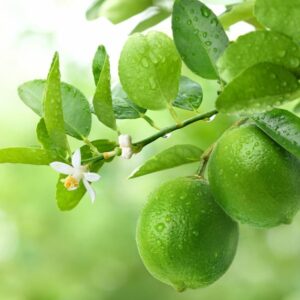
Fragrant, star-shaped white blossoms appear in spring. Like other citrus, the flowers are self-fertile but may produce more fruit when planted near compatible pollinizers such as Sunburst tangerine or Temple tangor.
Tangelo trees typically bloom in spring, with fruit developing slowly through summer and ripening in winter. Harvest season ranges from November to February depending on the variety and climate.
Tangelo fruits are juicy, sweet-tart, and easy to peel. The flavor is a balance between the bright acidity of grapefruit and the honeyed richness of tangerine. The most popular variety, the Minneola (Honeybell), is known for its exceptionally sweet juice and is prized as a holiday fruit in gift boxes.
Tangelo trees have dark green, lance-shaped, evergreen leaves with a glossy surface. The foliage is dense, providing good shade, and adds ornamental appeal even when not fruiting.
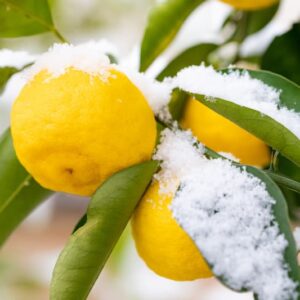
Tangelo trees thrive in USDA Hardiness Zones 9–11. While some varieties like the Orlando are more cold-tolerant, frost can still damage flowers and young fruit. In colder zones, plant in containers and move indoors during winter.
Tangelo fruit is non-toxic and safe to eat. Unlike grapefruit, tangelos do not contain furocoumarins in concentrations that interfere with medications, making them a safer alternative for those on statins or similar prescriptions.
Tangelos are nutrient-rich citrus fruits that offer a sweet-tart burst of flavor and several health benefits. They’re low in calories, high in vitamin C, and a good source of dietary fiber, making them an excellent choice for a healthy diet. A medium tangelo (about 130g) provides approximately 60 calories, 3 grams of fiber, over 100% of the Daily Value for vitamin C, and around 220–240 mg of potassium.
| Nutrient | Amount (per 100g) | % Daily Value |
|---|---|---|
| Calories | 47 kcal | 2% |
| Carbohydrates | 12 g | 4% |
| Fiber | 2 g | 8% |
| Vitamin C | 53 mg | 59% |
| Potassium | 170 mg | 5% |
DV = Daily Value based on a 2,000-calorie diet.
Whether eaten fresh or juiced, tangelos bring a variety of health perks to your plate. Here’s what makes this hybrid citrus worth savoring:
| Benefit | Description |
|---|---|
| Boosts Immunity | High in vitamin C, tangelos help support your immune system and reduce the risk of infections. |
| Supports Digestion | Fiber helps maintain healthy digestion and prevent constipation. |
| Promotes Skin Health | Vitamin C aids collagen production for healthier, more radiant skin. |
| Hydrating | With high water content and electrolytes like potassium, tangelos help keep you hydrated. |
| Heart Health | Potassium and antioxidants may contribute to better heart function and lower blood pressure. |
There are several delicious varieties of tangelo, each with its own shape, flavor, and harvesting season. Here are some of the most notable:
Tangelo trees need full sun to thrive—at least 6 to 8 hours of direct light per day for best flowering and fruit development.
Well-draining, sandy-loam soil with a slightly acidic to neutral pH (6.0–7.5) is ideal. Avoid waterlogged conditions to prevent root rot.
Water deeply but infrequently. Allow the top few inches of soil to dry before watering again. Young trees need more frequent watering until established.
Feed tangelo trees with a balanced citrus fertilizer three times a year: in early spring, midsummer, and late summer. Choose a blend that includes micronutrients like iron, manganese, and zinc.
Prune tangelo trees lightly to shape and remove dead or crossing branches. Best done after harvest or in late winter before new growth begins.
Tangelo trees are moderately frost-sensitive. Protect them with frost cloths or bring container-grown trees indoors during cold spells if you live in USDA zones 8 or lower.
Some varieties like Minneola are not strongly self-fruitful and require a compatible pollinator nearby (e.g., Temple tangor or Sunburst tangerine) for better fruit set.
Tangelos are typically harvested from late fall to early spring, depending on the variety and region. Most commonly, fruit ripens from November through February, with January being peak season. Signs a tangelo is ready to harvest include:
Store tangelos in a cool, dry place. At room temperature, they last about 1 week. In the refrigerator, they can stay fresh for up to 3–4 weeks. Avoid moisture build-up, which can lead to mold.
Tip: For reliable fruit production and faster maturity, grafted trees are preferred.
A tangelo is a hybrid of tangerine (or mandarin) and grapefruit (or pomelo). It has juicy, sweet-tart flesh with a flavor that balances bright citrus acidity and honeyed sweetness.
Many tangelos, such as Minneola, are nearly seedless, though some varieties may contain a few seeds depending on cross-pollination.
Tangelos are larger, juicier, and often have a slightly tart grapefruit-like note compared to the purely sweet flavor of tangerines. They also tend to have a characteristic “neck” at the stem end.
Most tangelos ripen from November through February, with January being peak season. Exact timing depends on the variety and growing region.
Yes. Tangelos are prized for their abundant, sweet-tart juice, making them excellent for fresh juice, cocktails, marinades, and baking.
No. Unlike grapefruit, tangelos generally do not contain furocoumarins in levels that interfere with common medications, making them a safer choice for those on statins or similar prescriptions.
They thrive in USDA zones 9–11, preferring warm climates with full sun and well-drained soil. In cooler zones, they can be grown in large containers and overwintered indoors.
Some varieties like Minneola are not strongly self-fruitful and benefit from cross-pollination with Temple tangor or Sunburst tangerine for a heavier crop.
At room temperature, tangelos last about a week. Refrigerated, they can stay fresh for 3–4 weeks. Keep them dry to prevent mold.
The Minneola (Honeybell) is the best-known for its juicy, sweet flavor. Orlando is more cold-tolerant, Jamaican (Ugli fruit) has a rugged rind and mild flavor, and Mapo, Seminole, and Thornton are also notable.
| Hardiness |
9 - 11 |
|---|---|
| Climate Zones | 7, 8, 9, 12, 13, 14, 15, 16, 17, 18, 19, 20, 21, 22, 23, 24, H1, H2 |
| Plant Type | Fruits, Shrubs, Trees |
| Plant Family | Rutaceae |
| Genus | Citrus |
| Exposure | Full Sun |
| Season of Interest | Spring (Early, Mid, Late), Summer (Early, Mid, Late), Fall, Winter |
| Height | 15' - 25' (4.6m - 7.6m) |
| Spread | 15' - 25' (4.6m - 7.6m) |
| Maintenance | Average |
| Water Needs | Average |
| Soil Type | Loam, Sand |
| Soil pH | Acid, Neutral |
| Soil Drainage | Moist but Well-Drained |
| Characteristics | Fragrant, Showy, Evergreen, Fruit & Berries |
| Attracts | Bees |
| Garden Uses | Beds And Borders, Patio And Containers |
| Garden Styles | Mediterranean Garden |
| Toxic to Humans | No known toxicity |
| Toxic to Cats | No known toxicity |
| Toxic to Dogs | No known toxicity |
| Toxic to Horses | No known toxicity |


| Hardiness |
9 - 11 |
|---|---|
| Climate Zones | 7, 8, 9, 12, 13, 14, 15, 16, 17, 18, 19, 20, 21, 22, 23, 24, H1, H2 |
| Plant Type | Fruits, Shrubs, Trees |
| Plant Family | Rutaceae |
| Genus | Citrus |
| Exposure | Full Sun |
| Season of Interest | Spring (Early, Mid, Late), Summer (Early, Mid, Late), Fall, Winter |
| Height | 15' - 25' (4.6m - 7.6m) |
| Spread | 15' - 25' (4.6m - 7.6m) |
| Maintenance | Average |
| Water Needs | Average |
| Soil Type | Loam, Sand |
| Soil pH | Acid, Neutral |
| Soil Drainage | Moist but Well-Drained |
| Characteristics | Fragrant, Showy, Evergreen, Fruit & Berries |
| Attracts | Bees |
| Garden Uses | Beds And Borders, Patio And Containers |
| Garden Styles | Mediterranean Garden |
| Toxic to Humans | No known toxicity |
| Toxic to Cats | No known toxicity |
| Toxic to Dogs | No known toxicity |
| Toxic to Horses | No known toxicity |
How many Citrus × tangelo (Tangelo) do I need for my garden?
| Plant | Quantity | |
|---|---|---|
| Citrus × tangelo (Tangelo) | N/A | Buy Plants |
Create a membership account to save your garden designs and to view them on any device.
Becoming a contributing member of Gardenia is easy and can be done in just a few minutes. If you provide us with your name, email address and the payment of a modest $25 annual membership fee, you will become a full member, enabling you to design and save up to 25 of your garden design ideas.
Join now and start creating your dream garden!
Create a membership account to save your garden designs and to view them on any device.
Becoming a contributing member of Gardenia is easy and can be done in just a few minutes. If you provide us with your name, email address and the payment of a modest $25 annual membership fee, you will become a full member, enabling you to design and save up to 25 of your garden design ideas.
Join now and start creating your dream garden!