Yuzu
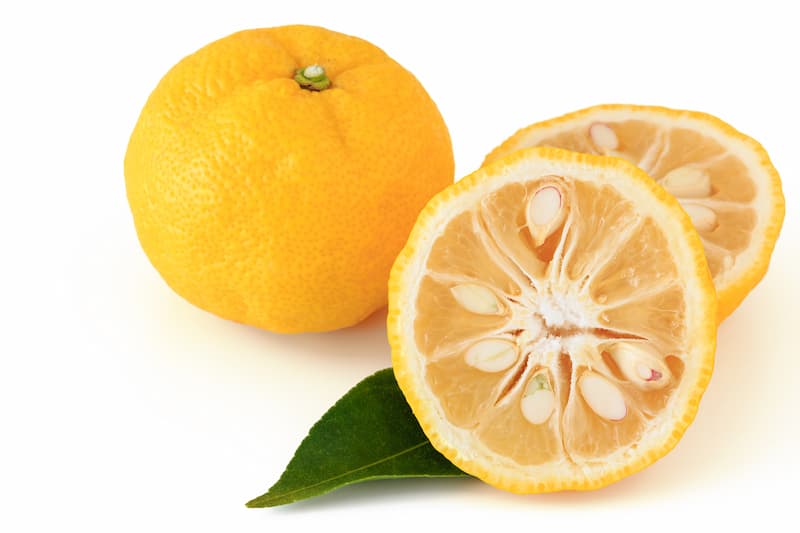
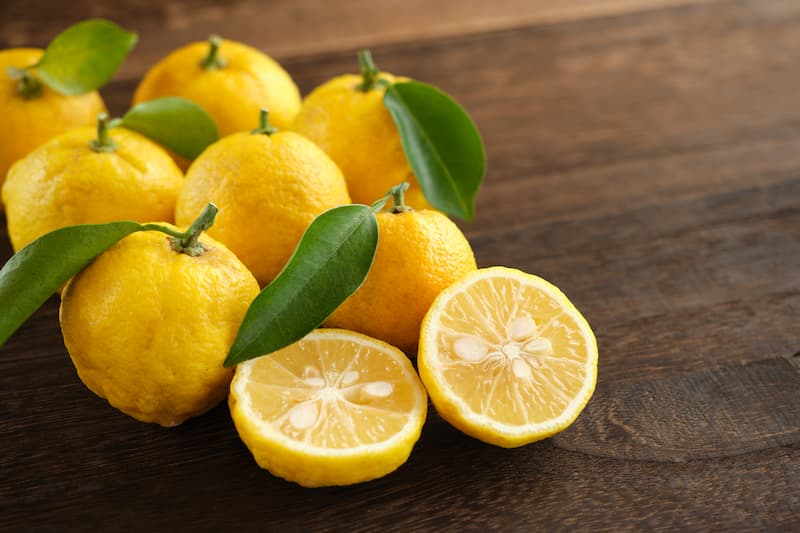
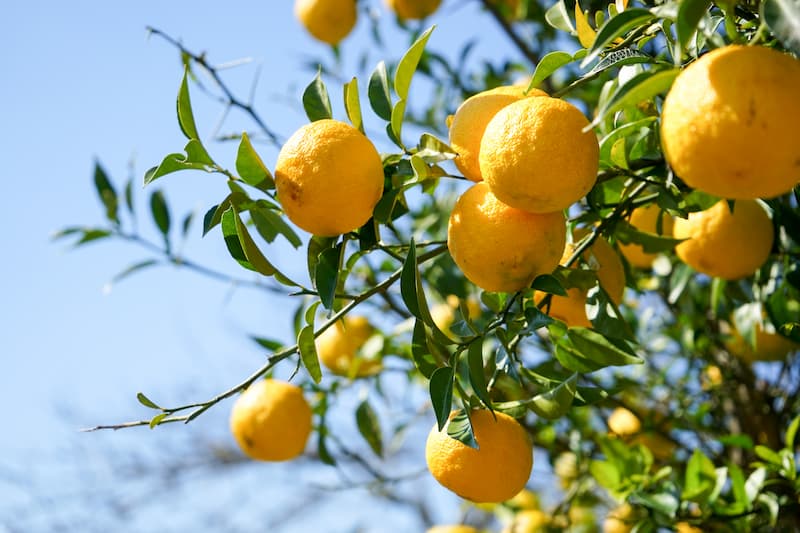


Citrus × junos, commonly known as Yuzu, is a prized citrus fruit originating from China and widely cultivated in Japan and Korea. Known for its intensely aromatic rind, tart juice, and resilience to cold weather, yuzu fruit is a staple in East Asian cuisine and cultural practices. With a flavor profile reminiscent of grapefruit and mandarin orange, yuzu has captivated chefs and mixologists worldwide. While fresh yuzu is hard to find outside Asia due to import restrictions, it is increasingly grown in the United States, particularly California, where it thrives in cool winters.
Yuzu belongs to the citrus family Rutaceae, alongside other well-known fruits such as orange, citron, pomelo, clementine, tangerine, kumquat, calamansi, Key lime, and Kaffir lime.
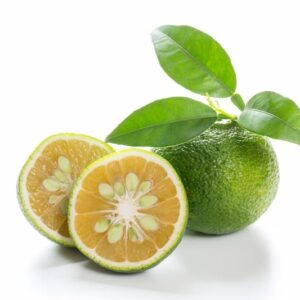
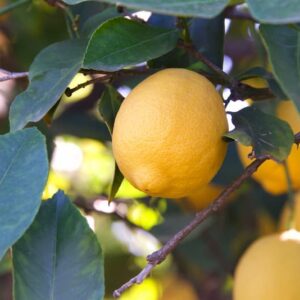
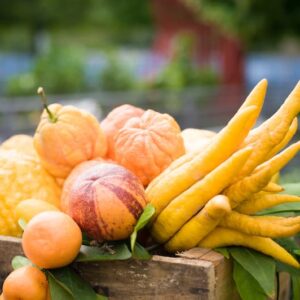
Yuzu is a small, upright citrus shrub or tree with numerous large thorns. The fruits are round to slightly flattened, 2–4 inches (5.5–10 cm) in diameter, with a rough, uneven yellow-green rind and highly aromatic pulp. It has a complex tartness similar to a cross between lemon, mandarin, lime, and grapefruit, with herbal and floral undertones. The juice is highly acidic, and the fruit contains many seeds.
Citrus × junos originated in central China as a hybrid between the ichang papeda (Citrus cavaleriei) and a mandarin orange subspecies. It spread to Japan and Korea during the Tang dynasty and has been cultivated in East Asia for centuries. Yuzu is now widely grown in Japan, Korea, and increasingly in the United States (especially California), Europe, Australia, and New Zealand.
Yuzu trees form upright evergreen shrubs or small trees with an open habit. They grow slowly and often have long, sharp spines. Grafted plants are more manageable and productive, often flowering earlier than seed-grown specimens.
Mature yuzu trees grow to 6–15 feet (1.8–4.5 meters) tall and 6–10 feet (1.8–3 meters) wide. In containers, they can be maintained at 4–6 feet (1.2–1.8 meters).
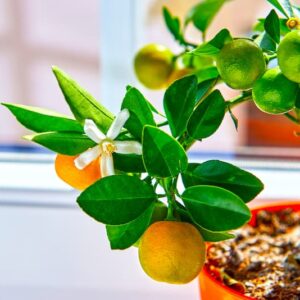
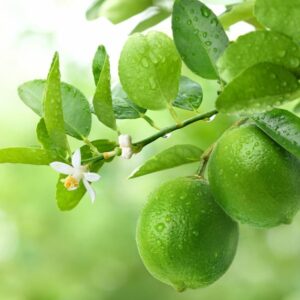
The white flowers are fragrant and similar in appearance to other citrus blooms. They are borne singly or in small clusters and attract pollinators such as bees.
Yuzu typically flowers in late spring to early summer. Fruits mature over a long season, ripening in late autumn to early winter.
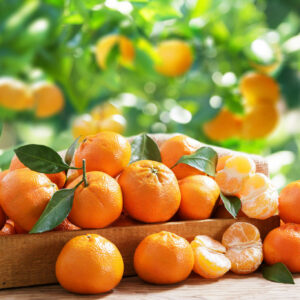
The round fruits have uneven yellow skin and can reach the size of a small orange. Inside, the juice is fragrant, tart, and highly flavorful. Unlike most citrus, yuzu is rarely eaten fresh due to its acidity and numerous seeds, but is widely used for its zest and juice.
Leaves are dark green with a distinctive large petiole resembling a second leaf. When crushed, they release a strong citrus scent. The evergreen foliage adds ornamental interest throughout the year.
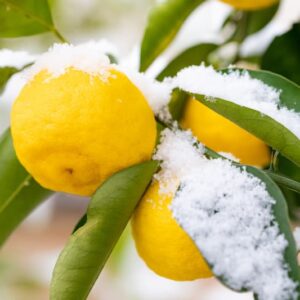
USDA Zones 8–11. Yuzu is more cold-hardy than most citrus and can survive temperatures as low as 10°F (-12°C) once established. Cold-Hardy Citrus Fruits You Can Grow In Your Backyard.
Like most citrus, yuzu is not toxic to humans. However, the essential oils in the peel may cause irritation in pets if ingested in large quantities.
Yuzu fruit is low in calories and packed with vitamin C, antioxidants, and beneficial plant compounds. While rarely eaten whole, its juice and zest are widely used to add bold citrus flavor and nutritional value to sauces, teas, desserts, and drinks.
| Nutrient | Amount (per 100g) | % Daily Value |
|---|---|---|
| Calories | 24 kcal | 1% |
| Vitamin C | 90 mg | 100% |
| Carbohydrates | 6.8 g | 2% |
| Fiber | 2.1 g | 8% |
| Potassium | 130 mg | 3% |
DV = Daily Value based on a 2,000-calorie diet. Actual content may vary by cultivar and fruit part (flesh vs. peel).
| Benefit | How It Helps |
|---|---|
| Immune Support | High in vitamin C, yuzu strengthens the immune system and helps protect against seasonal illnesses. |
| Antioxidant Defense | Flavonoids and limonoids in yuzu fight free radicals, reducing oxidative stress and inflammation. |
| Skin Health | Vitamin C promotes collagen synthesis, improves elasticity, and helps reduce signs of aging. |
| Relaxation and Mood | Aromatherapy studies show that yuzu scent lowers stress, while yuzu baths improve circulation and relaxation. |
| Digestive Aid | Yuzu juice and zest support digestion, ease bloating, and stimulate gastric secretions. |
| Cardiovascular Health | Potassium helps regulate blood pressure, and antioxidants support healthy circulation. |
| Antibacterial Properties | Yuzu contains compounds with antibacterial effects, supporting skin and oral health. |
| Chronic Disease Prevention | Antioxidants in yuzu may help reduce the risk of heart disease, certain cancers, and metabolic disorders. |
Yuzu trees thrive in full sun and need at least 6–8 hours of direct sunlight daily. In colder climates, choose the warmest, most protected location available, such as a south-facing wall. When grown in containers, place them near a bright window or under grow lights during winter.
Plant yuzu trees in well-drained, slightly acidic to neutral soil with a pH between 5.5 and 7.0. Avoid heavy clay soils unless amended with organic matter and sand or perlite. For containers, use a high-quality citrus potting mix to ensure proper drainage and aeration.
Water yuzu trees regularly, especially during the growing season. Allow the top inch of soil to dry out between waterings. Do not let the roots sit in water, as soggy soil can cause root rot. Reduce watering frequency during winter dormancy.
Feed with a balanced citrus fertilizer rich in nitrogen, phosphorus, and potassium from early spring to late summer. Apply every 6–8 weeks or use a slow-release formulation. For potted trees, supplement with micronutrients such as magnesium and iron as needed.
Prune yuzu trees in late winter or early spring to maintain a tidy shape, remove dead or damaged wood, and encourage airflow. Trim suckers from the base and interior branches to increase light penetration and fruit production. Watch out for thorns when pruning.
Yuzu trees are well suited for containers. Select a pot with good drainage holes and a diameter of at least 18 inches. Repot every 2–3 years to refresh the soil and prevent root binding. In colder zones, move containers indoors before the first frost.
Yuzu is one of the most cold-hardy citrus trees, tolerating temperatures down to 10–15°F (-12 to -9°C) once established. Suitable for USDA Zones 8–11. In colder regions, protect trees with frost cloths or grow them in containers for easy overwintering indoors.
Yuzu (Citrus × junos) is a cold-tolerant citrus prized for its intensely aromatic rind and tart juice. The flavor is a blend of lemon, mandarin, and grapefruit with herbal, floral notes.
Use zest and juice for sauces (ponzu), condiments (yuzu kosho), dressings, desserts, teas, and cocktails. A little goes a long way due to its strong aroma and acidity.
Import restrictions and short harvest windows limit availability outside East Asia. It’s increasingly grown domestically (e.g., in California), and bottled juice or frozen zest are common alternatives.
Late autumn through winter, typically November to January, depending on climate and cultivar.
Not usually. Yuzu is very tart and seedy, so it’s valued for its fragrance, zest, and juice rather than fresh eating.
Refrigerate whole fruit for 2–3 weeks. Freeze juice in portions and zest in airtight containers to preserve aroma. Dried peel and salted or sugared peels keep longer for seasoning.
Like other citrus, yuzu is not typically toxic, but essential oils may upset sensitive pets. Avoid large amounts and keep peels and seeds out of reach.
Yuzu is among the most cold-tolerant citrus, handling about 10–15°F (−12 to −9°C) once established. It’s suitable for USDA Zones 8–11 with protection during severe cold snaps.
Yes. Use a large pot with drainage and a citrus mix in full sun (6–8 hours). Water when the top inch of soil is dry and feed with a citrus fertilizer during the growing season. Move indoors before frost in cooler zones.
Most yuzu trees are self-fertile. Outdoors, bees aid pollination; indoor plants may benefit from gentle hand-pollination for better fruit set.
Mature trees reach about 6–15 ft (1.8–4.5 m) tall and 6–10 ft (1.8–3 m) wide; container plants can be maintained at 4–6 ft (1.2–1.8 m) with pruning.
Harvest when fully yellow and very fragrant. Wear gloves to avoid thorns, and snip fruit with a short stem attached to prevent rind damage.
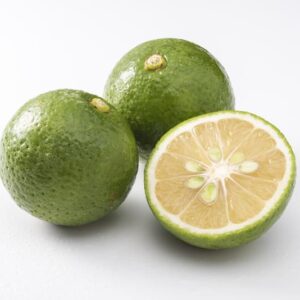
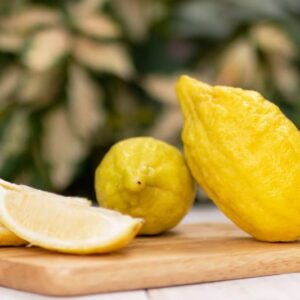
Yuzu is larger and more floral than sudachi, with rougher rind and winter ripening; sudachi is smaller, greener, and used green in early autumn. Lemon is smoother, juicier, and less aromatic than yuzu.
Watch for aphids, scale, whiteflies, spider mites, and mealybugs; manage with horticultural oils or soaps. Prevent root rot with good drainage, and follow regional guidance for citrus canker or HLB/greening.
| Hardiness |
8 - 11 |
|---|---|
| Climate Zones | 7, 8, 9, 12, 13, 14, 15, 16, 17, 18, 19, 20, 21, 22, 23, 24, H1, H2 |
| Plant Type | Fruits, Shrubs, Trees |
| Plant Family | Rutaceae |
| Genus | Citrus |
| Exposure | Full Sun |
| Season of Interest | Spring (Early, Mid, Late), Summer (Early, Mid, Late), Fall, Winter |
| Height | 6' - 15' (180cm - 4.6m) |
| Spread | 6' - 10' (180cm - 3m) |
| Maintenance | Average |
| Water Needs | Average |
| Soil Type | Loam, Sand |
| Soil pH | Acid, Neutral |
| Soil Drainage | Moist but Well-Drained |
| Characteristics | Fragrant, Showy, Evergreen, Fruit & Berries |
| Garden Uses | Beds And Borders, Patio And Containers |
| Garden Styles | Mediterranean Garden |
| Toxic to Humans | No known toxicity |
| Toxic to Cats | No known toxicity |
| Toxic to Dogs | No known toxicity |
| Toxic to Horses | No known toxicity |


| Hardiness |
8 - 11 |
|---|---|
| Climate Zones | 7, 8, 9, 12, 13, 14, 15, 16, 17, 18, 19, 20, 21, 22, 23, 24, H1, H2 |
| Plant Type | Fruits, Shrubs, Trees |
| Plant Family | Rutaceae |
| Genus | Citrus |
| Exposure | Full Sun |
| Season of Interest | Spring (Early, Mid, Late), Summer (Early, Mid, Late), Fall, Winter |
| Height | 6' - 15' (180cm - 4.6m) |
| Spread | 6' - 10' (180cm - 3m) |
| Maintenance | Average |
| Water Needs | Average |
| Soil Type | Loam, Sand |
| Soil pH | Acid, Neutral |
| Soil Drainage | Moist but Well-Drained |
| Characteristics | Fragrant, Showy, Evergreen, Fruit & Berries |
| Garden Uses | Beds And Borders, Patio And Containers |
| Garden Styles | Mediterranean Garden |
| Toxic to Humans | No known toxicity |
| Toxic to Cats | No known toxicity |
| Toxic to Dogs | No known toxicity |
| Toxic to Horses | No known toxicity |
How many Citrus x junos (Yuzu) do I need for my garden?
| Plant | Quantity | |
|---|---|---|
| Citrus x junos (Yuzu) | N/A | Buy Plants |
Create a membership account to save your garden designs and to view them on any device.
Becoming a contributing member of Gardenia is easy and can be done in just a few minutes. If you provide us with your name, email address and the payment of a modest $25 annual membership fee, you will become a full member, enabling you to design and save up to 25 of your garden design ideas.
Join now and start creating your dream garden!
Create a membership account to save your garden designs and to view them on any device.
Becoming a contributing member of Gardenia is easy and can be done in just a few minutes. If you provide us with your name, email address and the payment of a modest $25 annual membership fee, you will become a full member, enabling you to design and save up to 25 of your garden design ideas.
Join now and start creating your dream garden!