Forbidden Fruit, Grapefruit, Pomelo, Pamplemousse
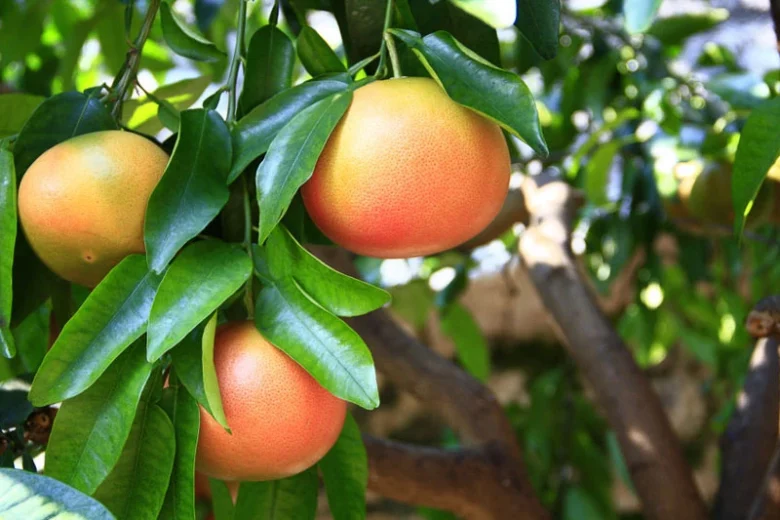
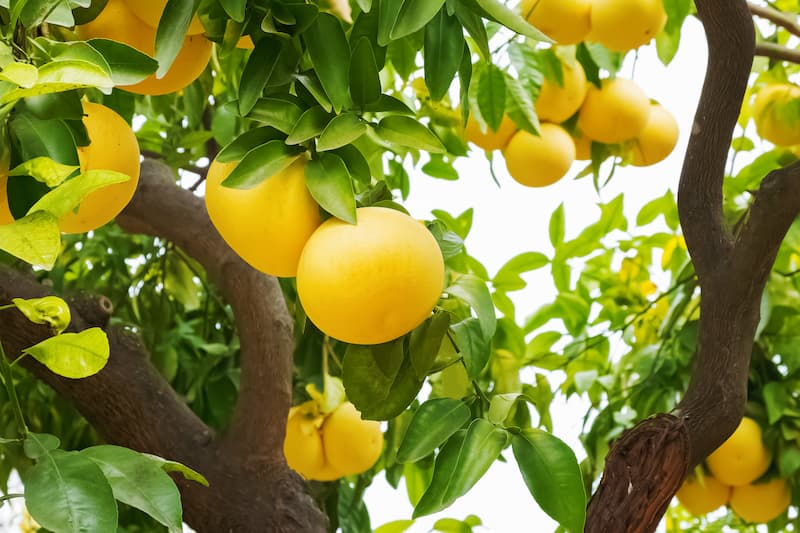




The grapefruit tree (Citrus x paradisi) is a stunning evergreen treasure, admired for its glossy green leaves, fragrant white blossoms, and large, juicy fruits bursting with flavor. Originally discovered in Barbados in the 18th century, grapefruit has become a tropical favorite worldwide, prized for its vibrant fruits and incredible health benefits.
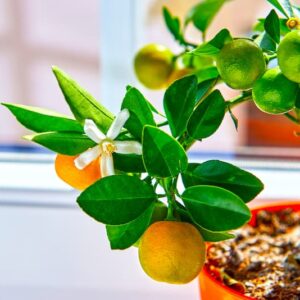
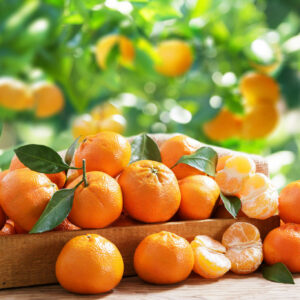
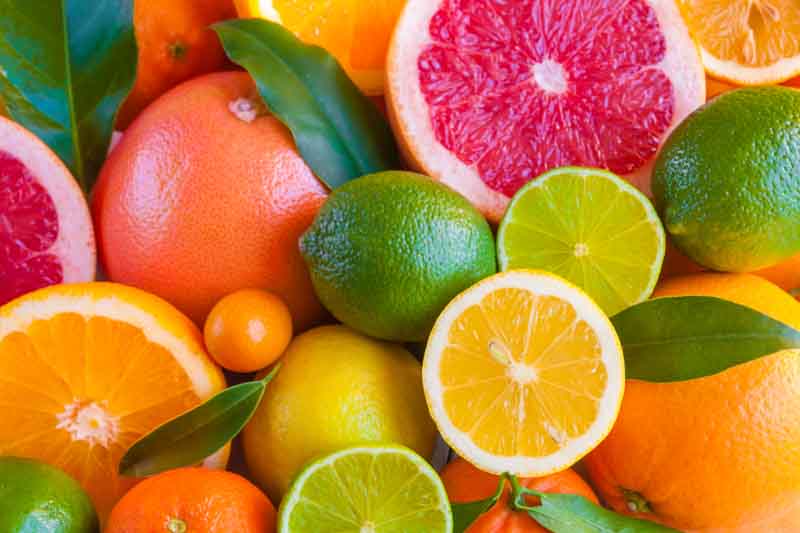
The grapefruit is a broadleaf evergreen citrus tree from the Rutaceae family, home to beloved fruits such as pomelo, orange, lemon, clementine, mandarin, tangerine, calamansi, Kaffir lime, Persian lime, and Key lime. Native to the Caribbean, this vigorous tree is prized for its glossy, deep green leaves, sweetly fragrant white flowers, and large, juicy fruits with skin colors ranging from pale yellow to pink and deep ruby red. Grapefruit trees bring an exotic, tropical touch to gardens and patios, offering not only ornamental beauty but also nutrient-packed fruits that ripen through fall and winter.
This fruit is a parent of the tangelo, a hybrid between a grapefruit or pomelo and a tangerine or mandarin orange.
Grapefruit originated in Barbados in the 18th century. It is not a naturally wild species but a natural hybrid between the sweet orange (Citrus × sinensis) and the pomelo (Citrus maxima), both of which were brought from Asia to the Caribbean in the 17th century.
Today, grapefruits are widely cultivated in tropical and subtropical regions around the world, especially in places like Florida, Texas, California, Mexico, South Africa, China, and Vietnam.
Grapefruit trees have a rounded, spreading habit and medium texture, thriving in warm, sunny climates or as impressive container plants in cooler regions.
Grapefruit trees typically grow 15 to 30 feet tall and wide (about 4.5 to 9 meters) when planted in the ground. When grown in containers, trees usually stay much smaller, around 6 to 10 feet tall (1.8 to 3 meters), depending on pruning and pot size.
The showy, fragrant white flowers bloom in small clusters (racemes) during spring and winter, filling the garden with a sweet, citrusy scent.
Grapefruit trees bloom from winter into spring, setting the stage for a bountiful fruit harvest by late fall through winter.
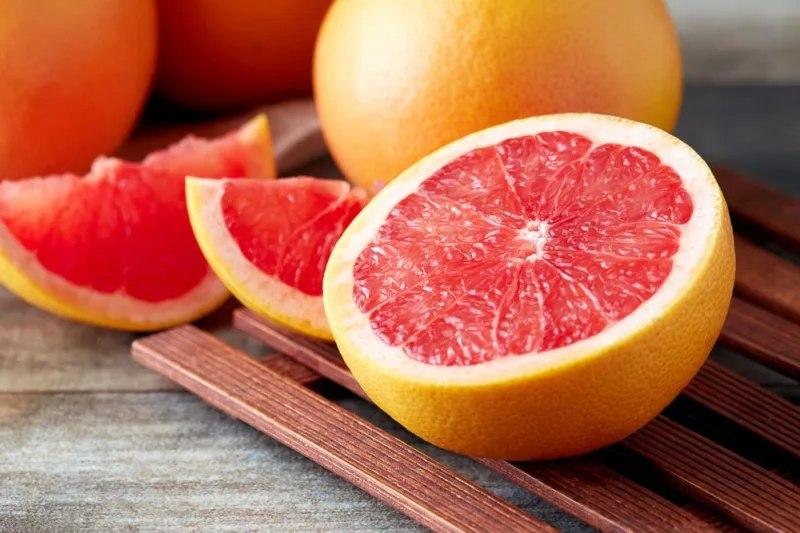
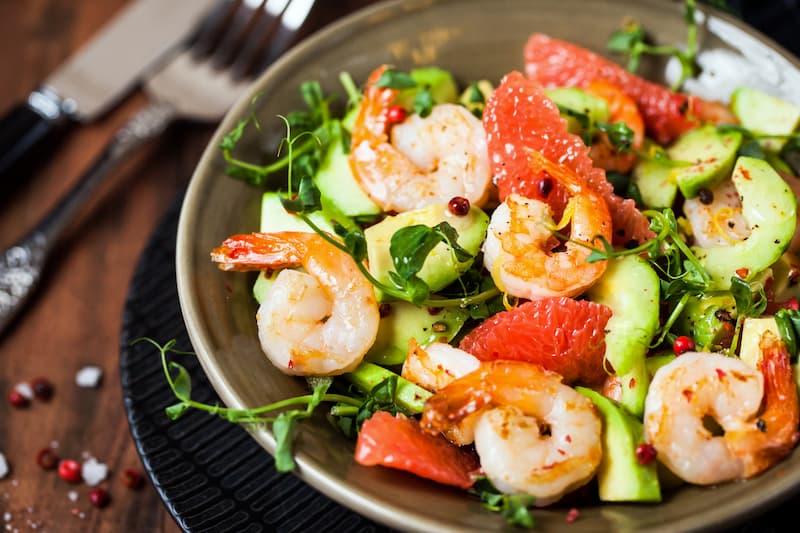
Grapefruit fruits are large (over 3 inches or 7 cm wide), heavy, and juicy. Their flesh varies in color from white to pink to ruby red, depending on the cultivar. Sweet-tart, refreshing, and nutrient-rich, grapefruits are often eaten fresh, juiced for grapefruit juice, or used in smoothies, salsas, roasted or grilled dishes, and desserts. Their firm yet tender texture and juicy sections make them a favorite breakfast fruit, often enjoyed with a classic grapefruit spoon!
Grapefruit leaves are large, glossy, deep green, and have a broad, winged petiole, a key identifying feature. The leaves are aromatic and evergreen, creating a lush, tropical look.
Hardy in USDA zones 9–11, grapefruit trees thrive in tropical and subtropical climates. In cooler areas, they can be grown in containers and overwintered indoors.
While the fruit is edible, the skin and leaves contain compounds that can cause mild poisoning or contact dermatitis in humans and animals, including cats, dogs, and horses. Additionally, grapefruit can interact with many medications, so caution is advised.
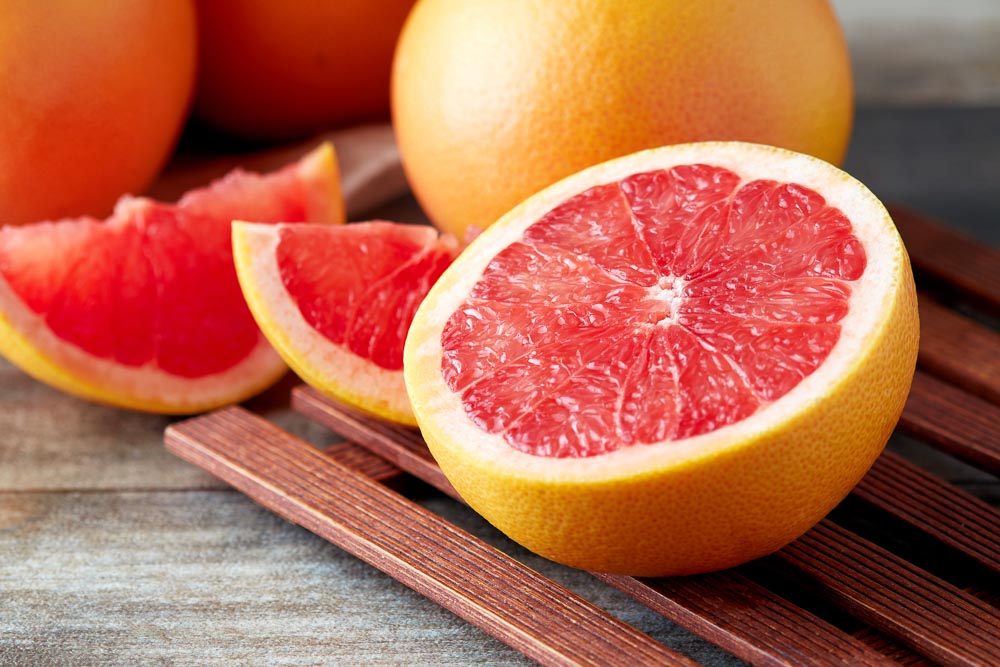
Juicy, tangy, and packed with nutrients, grapefruit is a powerhouse of vitamins and antioxidants. Here’s a look at what makes this citrus fruit so incredibly healthy.
| Nutrient | Amount (per 100g) | % Daily Value |
|---|---|---|
| Calories | 33 kcal | 2% |
| Carbohydrates | 8.4 g | 3% |
| Fiber | 1.1 g | 4% |
| Vitamin C | 37% DV | Boosts immune health and collagen production. |
| Vitamin A | 8% DV | Supports vision and immunity. |
| Potassium | 278 mg | 3-8% |
| Magnesium | 16 mg | 4% |
| Folate | 20 mcg | 5% |
DV = Daily Value based on a 2,000-calorie diet. Actual needs may vary depending on age, gender, and activity level.
More than just a breakfast favorite, grapefruit delivers powerful wellness benefits. Here’s why this vibrant fruit deserves a spot in your healthy lifestyle.
| Benefit | How It Helps |
|---|---|
| Weight Management | Low in calories, high in water and fiber, promotes satiety and supports healthy weight control. |
| Heart Health | Potassium and antioxidants reduce blood pressure and cholesterol levels. |
| Immune System Support | Rich in vitamin C and A, strengthening immune defenses and reducing infections. |
| Kidney Stone Prevention | Citric acid helps prevent calcium oxalate stone formation. |
| Antioxidant Protection | High levels of lycopene, beta-carotene, and flavanones combat oxidative stress and aging. |
Grapefruit is healthy for most people, but it can cause problems for some due to its unique chemistry. Here’s what you need to know:
Medication Interactions: Grapefruit and grapefruit juice can interfere with many medications by affecting how your body metabolizes them. This can lead to dangerously high or low levels of the drug in your bloodstream. Affected medications include certain statins, blood pressure drugs, organ transplant medications, and some anti-anxiety treatments. Always check with your doctor or pharmacist if you’re taking prescription medications.
Tooth Enamel Erosion: The citric acid in grapefruit can erode tooth enamel over time. To protect your teeth, rinse your mouth with water after eating and wait about 30 minutes before brushing.
Kidney Health Concerns: People with kidney issues should be cautious with grapefruit, as its high potassium levels can contribute to dangerous imbalances.
Gastrointestinal Sensitivities: Grapefruit’s acidity may aggravate heartburn or GERD symptoms in sensitive individuals. Listen to your body and moderate intake if discomfort occurs.
Hormonal Effects: Grapefruit may influence hormone levels and could pose a concern for individuals on hormone therapies. Consult your healthcare provider if you are undergoing treatment involving estrogen or other hormones.
Tip: If you are unsure whether grapefruit is safe for you, especially if you are on medication, always seek medical advice before adding it to your diet.
Grapefruit (Citrus × paradisi) comes in a range of delicious varieties, categorized mainly by flesh color and flavor. Here’s a guide to the most popular types:
Grapefruit season typically runs from late fall through early spring, depending on the region. Fresh, juicy grapefruits are most abundant between November and April, making winter the best time to enjoy their vibrant flavor and health benefits.
Grapefruits are incredibly versatile! You can eat them fresh, juice them, or incorporate them into savory and sweet dishes. Their tangy-sweet flavor and refreshing juiciness make them a favorite for breakfast, snacks, and culinary creations.
Quick Tip: Rolling the grapefruit gently before cutting helps release more of the fragrant oils in the peel, enhancing its flavor and aroma!
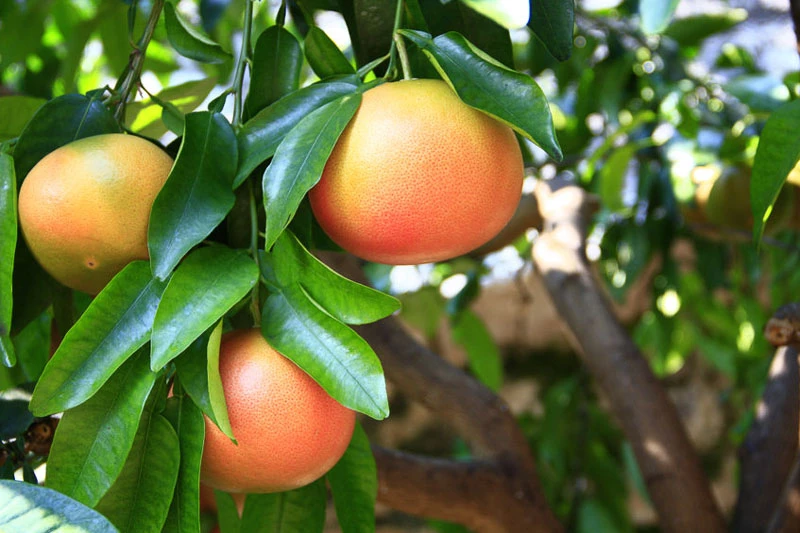

Grapefruit trees are rewarding to grow, thriving in warm climates and producing abundant fruit with the right care.
Plant your tree in full sun (at least 6–8 hours of direct sunlight daily). Grapefruit trees are shade-intolerant and need ample sunlight for healthy growth and fruit production.
Grapefruit trees prefer deep, loamy, well-draining soil with a slightly acidic to neutral pH, generally 6.0–7.0. They dislike waterlogged or salty soils. Improve drainage if needed to prevent root rot.
Water deeply but infrequently to encourage deep root growth. During the first year, water 1–2 times per week, depending on weather. Mature trees are moderately drought-tolerant.
Feed with a balanced citrus fertilizer 3–4 times a year (early spring, early summer, and mid-late summer). Look for formulations rich in nitrogen, magnesium, and trace minerals like iron and zinc.
Minimal pruning is required. Prune after fruiting to remove dead, damaged, or crossing branches and maintain a manageable size.
Apply 2–3 inches (5–7.5 cm) of organic mulch around the root zone, but keep it at least 12 inches (30 cm) away from the trunk (not just 6 inches) to prevent disease and pest issues. Mulching helps retain moisture and suppress weeds, but mulch piled against the trunk can cause rot.
Grapefruits ripen slowly and are typically ready for harvest from late fall through early spring, depending on your climate and variety. Fruit should be fully colored (yellow, pink, or red, depending on the type) and slightly soft to the touch. While slight softness can indicate ripeness, grapefruit should generally feel firm but heavy. Overly soft fruit may be past its prime.
Tip: Taste a fruit or two to check sweetness before harvesting the entire crop!
Grapefruit trees are usually propagated by grafting to ensure strong, disease-resistant plants, but they can also be grown from seeds with patience.
Aphids: These small, soft-bodied insects cluster on new shoots, sucking sap and leaving behind sticky honeydew, which can encourage the development of sooty mold. Treat infestations with insecticidal soap or introduce natural predators like ladybugs.
Citrus Leafminers: Larvae tunnel through young leaves, leaving winding trails and causing the leaves to curl. Control by pruning affected growth, using pheromone traps, and applying neem or horticultural oil.
Citrus Whiteflies: Tiny white insects that feed under leaves, producing honeydew that can lead to sooty mold. Yellow sticky traps and insecticidal soap help manage populations.
Spider Mites: Microscopic pests that cause stippling, yellowing, and webbing on leaves. Control with sprays of water, neem oil, or horticultural oil, and by increasing humidity.
Scale Insects: Small, immobile insects that look like bumps on stems and leaves, weakening the tree by sucking sap. Treat with horticultural oil and encourage beneficial predators.
Mealybugs: White, cottony pests found on stems and leaf joints, causing stunted growth and yellowing. Control with neem oil or insecticidal soap.
Fungus Gnats: Thrive in overly moist soils and damage roots. Control by improving drainage and using sticky traps.
Fruit Flies: Often infest damaged or overripe fruits. Managing fallen fruit and using traps can help reduce populations.
Other Pests: Thrips, stink bugs, leaf-footed bugs, and weevils can blemish fruit or damage foliage.
Citrus Canker: Bacterial disease causing yellow-bordered brown lesions on leaves, stems, and fruit. Highly contagious and damaging; manage with copper sprays and sanitation.
Greasy Spot: Fungal infection producing yellowish leaf spots that later turn brown and greasy in appearance. Treated with copper fungicides.
Anthracnose: Causes tan to dark lesions with purple margins, leading to leaf drop, dieback, and fruit rot. Manage with pruning and copper fungicide.
Alternaria Brown Spot: Creates brown, sunken lesions on leaves and fruit, often resulting in fruit drop. Controlled with copper-based sprays.
Root Rot (Phytophthora): Soil-borne fungal disease causing bark peeling, trunk resin bleeding, leaf yellowing, and fruit rot. Prevent with proper drainage and fungicide applications when needed.
Scab: Produces corky, rough lesions on fruits, leaves, and twigs. Managed with copper sprays.
Sooty Mold: Black fungal growth thriving on the sugary honeydew left by aphids, whiteflies, and mealybugs.
Citrus Tristeza Virus: A viral disease spread by aphids, leading to leaf cupping, vein clearing, tree stunting, and decline. Prevent by controlling aphid populations and planting disease-free trees.
Other Diseases: Grapefruit trees can also suffer from Psorosis, Pseudocercospora (Angular Leaf Spot), Sweet Orange Scab, and Melanose, all affecting tree health and fruit quality.
Yes, grapefruit is packed with nutrients. It is low in calories and rich in vitamins A and C, antioxidants, and fiber, supporting immune health, heart health, and weight management.
Grapefruit can interact with certain medications by affecting how they are metabolized. This can lead to either too much or too little of the drug in your bloodstream, potentially causing serious side effects. Always consult your healthcare provider if you are taking prescription medications.
It is best to avoid feeding grapefruit to dogs. The fruit is highly acidic and can upset their digestive systems. Additionally, compounds found in the peel and flesh can be toxic to dogs, leading to vomiting, diarrhea, or more serious symptoms.
Yes, grapefruit may help lower blood pressure. It is high in potassium, a mineral that helps counteract the effects of sodium and relax blood vessels. Its antioxidants also support heart health. However, grapefruit’s interaction with medications must be carefully considered.
One medium grapefruit (about 230 grams) typically contains around 80–100 calories. It offers a refreshing, nutrient-dense snack with a low calorie count and a high level of hydration and fiber.
| Hardiness |
9 - 11 |
|---|---|
| Climate Zones | 7, 8, 9, 12, 13, 14, 15, 16, 17, 18, 19, 20, 21, 22, 23, 24, H1, H2 |
| Plant Type | Fruits, Trees |
| Plant Family | Rutaceae |
| Genus | Citrus |
| Common names | Grapefruit |
| Exposure | Full Sun |
| Season of Interest | Spring (Early, Mid, Late), Summer (Early, Mid, Late), Fall, Winter |
| Height | 15' - 30' (4.6m - 9.1m) |
| Spread | 15' - 30' (4.6m - 9.1m) |
| Maintenance | Low |
| Water Needs | Average |
| Soil Type | Loam |
| Soil pH | Acid, Neutral |
| Soil Drainage | Moist but Well-Drained |
| Characteristics | Fragrant, Showy, Evergreen, Fruit & Berries |
| Tolerances | Wet Soil |
| Garden Uses | Patio And Containers |
| Garden Styles | City and Courtyard, Mediterranean Garden |
| Toxic to Humans | Low severity |
| Toxic to Cats | Toxic |
| Toxic to Dogs | Toxic |
| Toxic to Horses | Toxic |


| Hardiness |
9 - 11 |
|---|---|
| Climate Zones | 7, 8, 9, 12, 13, 14, 15, 16, 17, 18, 19, 20, 21, 22, 23, 24, H1, H2 |
| Plant Type | Fruits, Trees |
| Plant Family | Rutaceae |
| Genus | Citrus |
| Common names | Grapefruit |
| Exposure | Full Sun |
| Season of Interest | Spring (Early, Mid, Late), Summer (Early, Mid, Late), Fall, Winter |
| Height | 15' - 30' (4.6m - 9.1m) |
| Spread | 15' - 30' (4.6m - 9.1m) |
| Maintenance | Low |
| Water Needs | Average |
| Soil Type | Loam |
| Soil pH | Acid, Neutral |
| Soil Drainage | Moist but Well-Drained |
| Characteristics | Fragrant, Showy, Evergreen, Fruit & Berries |
| Tolerances | Wet Soil |
| Garden Uses | Patio And Containers |
| Garden Styles | City and Courtyard, Mediterranean Garden |
| Toxic to Humans | Low severity |
| Toxic to Cats | Toxic |
| Toxic to Dogs | Toxic |
| Toxic to Horses | Toxic |
How many Citrus x paradisi (Grapefruit) do I need for my garden?
| Plant | Quantity | |
|---|---|---|
| Citrus x paradisi (Grapefruit) | N/A | Buy Plants |
Create a membership account to save your garden designs and to view them on any device.
Becoming a contributing member of Gardenia is easy and can be done in just a few minutes. If you provide us with your name, email address and the payment of a modest $25 annual membership fee, you will become a full member, enabling you to design and save up to 25 of your garden design ideas.
Join now and start creating your dream garden!
Create a membership account to save your garden designs and to view them on any device.
Becoming a contributing member of Gardenia is easy and can be done in just a few minutes. If you provide us with your name, email address and the payment of a modest $25 annual membership fee, you will become a full member, enabling you to design and save up to 25 of your garden design ideas.
Join now and start creating your dream garden!