Pomelo, Pummelo, Shaddock, Pompelmous, Pamplemousse, Citrus decumana, Citrus grandis
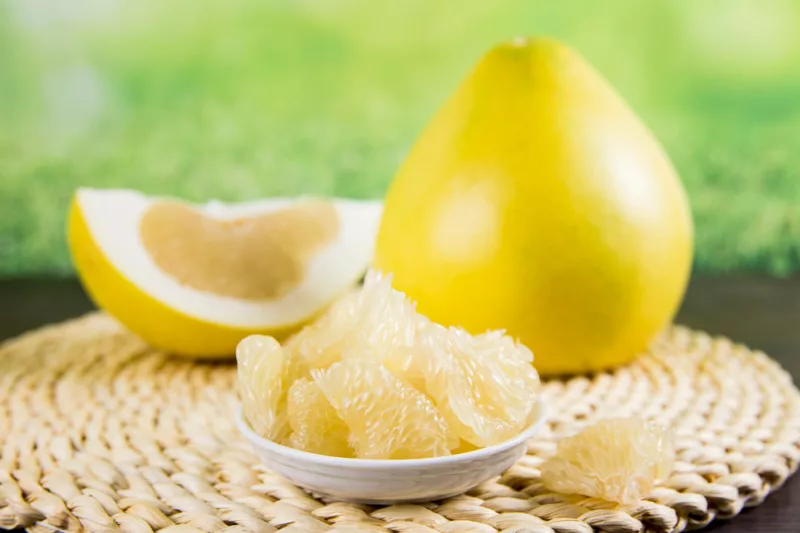
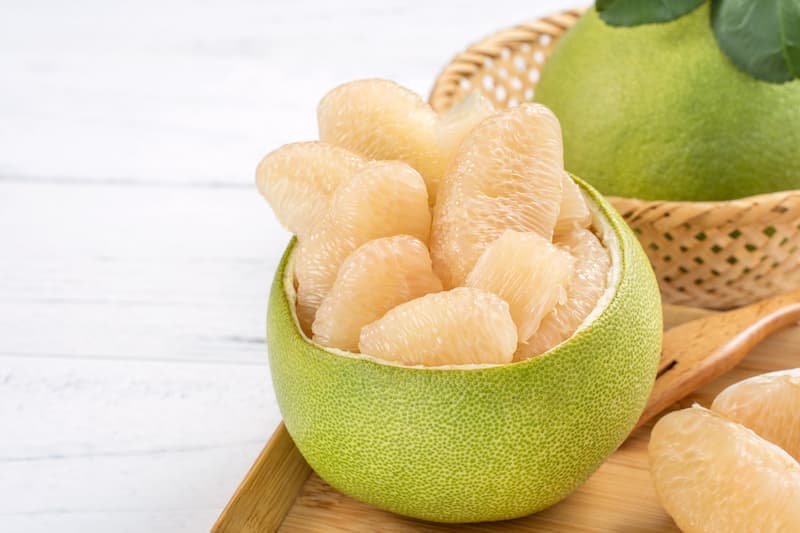

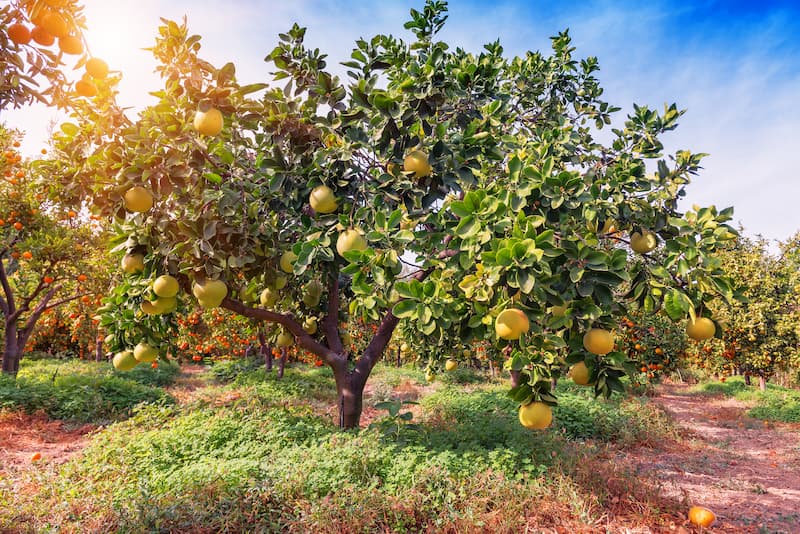
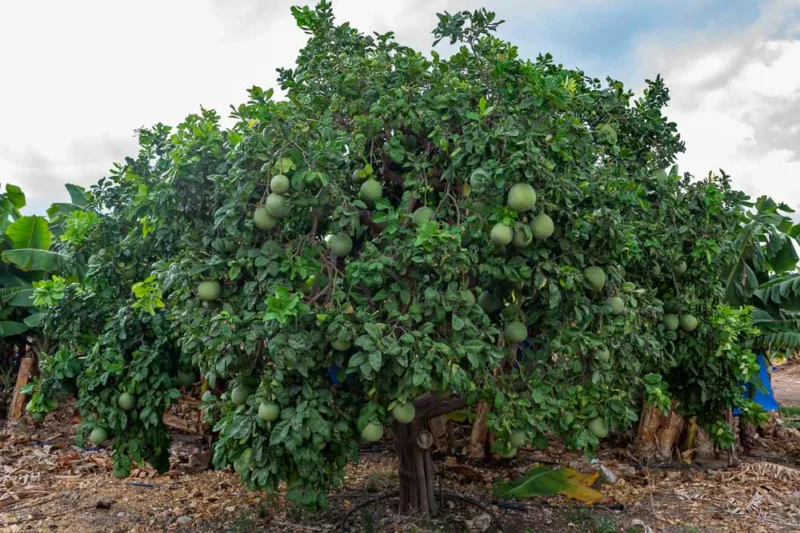


The pomelo tree (Citrus maxima), also called shaddock or pummelo, is the largest of all citrus trees, admired for its fragrant blossoms, immense fruit, and cultural significance across Asia. Native to Southeast Asia and Malaysia, this ancient citrus is one of the original ancestors of modern citrus fruits, including the grapefruit and sweet orange. With a flavor that’s sweeter and less bitter than grapefruit, pomelo fruit has gained global appeal in everything from tropical salads to desserts like mango pomelo sago.
The pomelo is a broadleaf evergreen citrus tree in the Rutaceae family, closely related to the clementine, mandarin, tangerine, lemon, calamansi, Kaffir lime, Persian lime, and Key lime. The tree features a thick trunk, often crooked, and wide-spreading, low-hanging branches. Leaves are large, ovate, and leathery with winged petioles, and its sweetly fragrant flowers are creamy white or pale yellow. The enormous fruits are typically round or pear-shaped, with a thick rind and large, juicy segments.
This fruit is a parent of the tangelo, a hybrid between a grapefruit or pomelo and a tangerine or mandarin orange.
Pomelos are native to Southeast Asia, especially Malaysia and Indonesia, and have been cultivated in China for over two thousand years. They were introduced to the Caribbean and Americas in the 17th century and are now grown in tropical and subtropical regions worldwide, including parts of Florida and California.
Pomelo trees have a spreading, irregular growth habit with drooping branches. When grown in orchards, they are pruned to a more compact and productive form. Their size makes them best suited to gardens with ample space or large containers in warm climates.
Pomelo trees typically reach 15–50 feet (4.5–15 m) in height and 15–25 feet (4.5–7.5 m) in spread. Container-grown trees are much smaller but still fruit prolifically under the right conditions.
Fragrant, solitary or clustered white to pale yellow flowers appear in spring. These flowers are not only ornamental but also used in perfumes and cultural rituals.
Pomelo trees bloom in spring, with fruit developing over several months and typically ripening from late fall through winter.
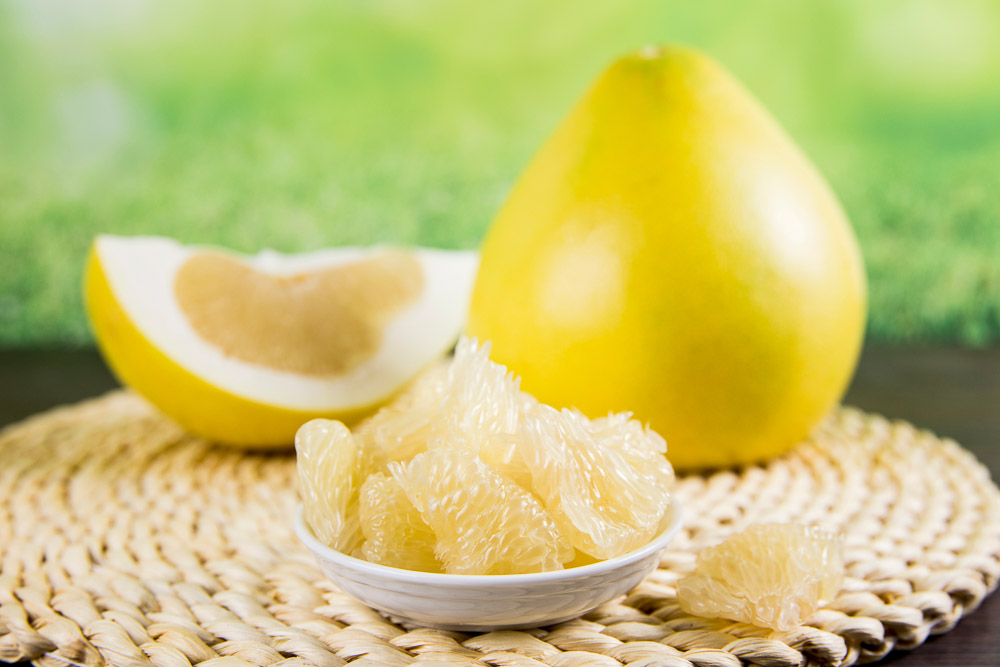
Pomelo fruit is massive—4–12 inches (10–30 cm) in diameter—and can weigh between 2 and 6 pounds (up to 25 pounds for some cultivars!). The rind is thick and spongy, surrounding 11–18 juicy segments. The flesh ranges from pale yellow to pink and is sweet, mildly tart, and less bitter than grapefruit. Pomelo is commonly used in fruit salads, desserts like mango pomelo sago, savory dishes, and even cocktails.
Pomelo leaves are large, leathery, glossy above, and have a pronounced, broadly winged petiole. Crushing releases a strong citrus scent. The size and lushness contribute to a bold, tropical appearance.
Pomelo trees thrive in USDA hardiness zones 9–11. They prefer warm, humid climates and are sensitive to frost. In cooler regions, they should be grown in large containers and moved indoors during winter.
Pomelo fruit is edible and safe for most people. However, like grapefruit, it contains furanocoumarins that can interfere with medications, including statins, immunosuppressants, and certain blood pressure drugs. Always consult a doctor before consuming pomelo if you are on medication.
Pomelos are refreshing and hydrating fruits rich in immune-boosting nutrients and antioxidants.
| Nutrient | Amount (per 100g) | % Daily Value |
|---|---|---|
| Calories | 38 kcal | 2% |
| Carbohydrates | 9.6 g | 3% |
| Fiber | 1 g | 4% |
| Vitamin C | 61 mg | 68% |
| Potassium | 216 mg | 6% |
| Protein | 0.8 g | 1% |
DV = Daily Value based on a 2,000-calorie diet.
Sweet, refreshing, and nutrient-dense, pomelo fruit offers an impressive range of health benefits. Packed with vitamin C, antioxidants, fiber, and essential minerals, it supports immune function, digestion, and heart health. Whether eaten fresh or added to recipes, pomelo makes a flavorful and health-boosting addition to your diet.
| Benefit | How It Helps |
|---|---|
| Boosts Immunity | High in vitamin C and antioxidants, helping the body fight infections and reduce inflammation. |
| Weight Management | Low-calorie and high in fiber and water, keeping you full longer and aiding digestion. |
| Heart Health | May lower cholesterol and triglyceride levels. Potassium helps regulate blood pressure. |
| Antioxidant Defense | Rich in naringenin, lycopene, and vitamin C—compounds linked to anti-aging and cancer prevention. |
| Digestive Health | Fiber supports gut bacteria and promotes healthy bowel movements. |
Though often confused at first glance, pomelo and grapefruit are distinctly different fruits with unique origins, flavors, and characteristics. Understanding their differences not only helps in the kitchen but also deepens appreciation for citrus diversity. If you’ve ever wondered why pomelos taste milder or why they’re so large, here’s a clear comparison to guide you.
Pomelos are the largest citrus fruit, often weighing 2–5 times more than grapefruits. Pomelos can reach up to 10–12 inches in diameter and several pounds, while grapefruits are typically much smaller.
Pomelos are sweeter, less acidic, and less bitter than grapefruit. Grapefruit is known for its more pronounced bitter and tart notes, while pomelo is milder and sometimes described as delicately sweet or floral.
Grapefruits are juicier, while pomelos have firmer, drier flesh. Pomelo segments are denser and chewier, and the fruit is less juicy overall.
Pomelo has a much thicker rind and pith compared to grapefruit. The pith of a pomelo can be more than half an inch thick, while grapefruit has a thinner peel and less pith.
Pomelo (Citrus maxima) is a naturally occurring species native to Southeast Asia. Grapefruit (Citrus × paradisi) is a hybrid between pomelo and sweet orange, first developed in the Caribbean.
Pomelos are often teardrop- or pear-shaped, while grapefruits are round.
Pomelo skin is typically pale yellow to green, while grapefruit skin ranges from orange to pink or even reddish hues depending on the variety.
Pomelo’s milder, sweeter taste makes it a good choice for those who find grapefruit too sharp or bitter. Its floral aroma and firmer texture also appeal to those seeking a more subtle citrus experience.
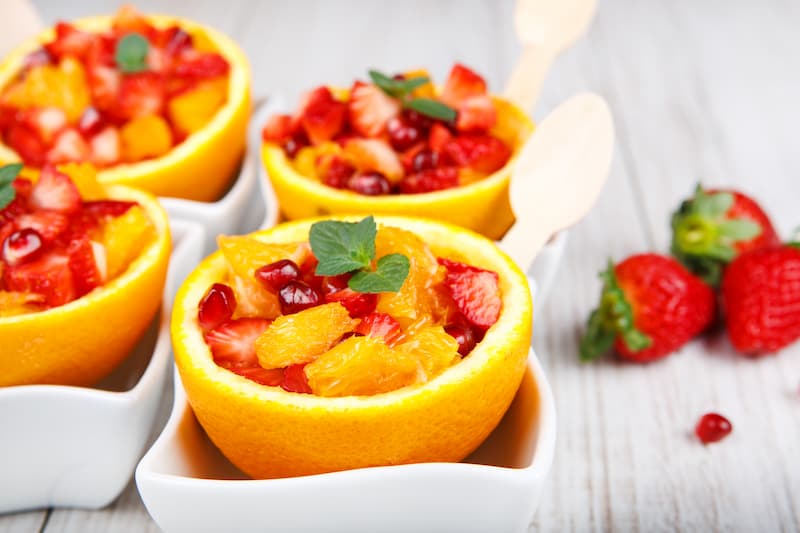
Pomelo is a versatile fruit and can be enjoyed in many ways:
Pomelo trees need full sun—at least 6 to 8 hours of direct sunlight per day—for optimal flowering and fruiting.
Well-draining, loamy soil with a slightly acidic to neutral pH (6.0–7.5) is ideal. Avoid heavy clay and overly wet soils.
Water deeply but allow the soil to dry slightly between waterings. Young trees need more frequent watering, while mature trees are more drought-tolerant.
Feed pomelo trees with a balanced citrus fertilizer three times a year: early spring, early summer, and midsummer. Include trace minerals like iron and zinc.
Prune to remove dead or crossing branches and maintain shape. Do not over-prune, as this reduces fruiting.
Use mulch to conserve moisture and reduce weeds. Keep mulch away from the trunk to prevent rot.
Knowing when and how to harvest pomelos ensures you enjoy their full flavor and juiciness. These giant citrus fruits ripen slowly and do not continue ripening once picked, so timing and technique are key to getting the best results.
Pomelos are typically ready to harvest from late fall to early spring, depending on the climate and cultivar. Look for the following signs:
Tip: Because pomelos don’t ripen off the tree, always taste a fruit or two before harvesting the entire crop.
Pomelos have a long shelf life thanks to their thick rind. Store them in a cool, well-ventilated area or refrigerate for up to a month. Keep them out of direct sunlight and avoid moisture to prevent mold or rot.
Quick Tip: Harvesting in the morning, when temperatures are cooler, helps preserve freshness during transport and storage.
Pomelo trees can be propagated in several ways, including seeds, grafting, and vegetative methods. Each method has its benefits depending on whether you want consistency in fruit quality or are growing for ornamental interest. While seed-grown trees may take longer to bear fruit, they are still widely used, especially in Southeast Asia.
Note: Pomelo seeds are monoembryonic, meaning they carry genes from both parents and won’t produce an exact clone of the parent tree. Fruit quality may vary, and trees can take 5–8 years to mature.
Primarily used in commercial nurseries, this method involves growing new plants from cells in sterile lab conditions. While effective, it is costly and not typically used by home gardeners.
Tip: For consistent fruit quality and earlier harvests, grafting is the preferred method of pomelo propagation.
Healthy pomelo trees are fairly resilient, but like other citrus, they can fall prey to a range of pests and diseases. Early detection and integrated care are key to maintaining tree vigor and fruit quality. Below are the most common issues to watch for when caring for your pomelo tree.
Tip: Healthy, well-fed trees are more resistant to pests and diseases. Follow good pomelo care practices year-round to keep your tree vigorous and productive.
Pomelo has a sweet, mild flavor that’s often described as a less bitter, less acidic version of grapefruit. Depending on the variety, the flesh can be pale yellow, pink, or rosy red, with notes of honey, orange, and floral citrus. Unlike grapefruit, pomelo lacks the sharp tang and instead offers a tropical, refreshing sweetness with a soft but firm texture. Some varieties have a slight tartness, but overall the taste is clean and pleasantly juicy.
Cutting a pomelo requires a bit more effort than peeling an orange, due to its thick rind and pith. Follow these steps:
Tip: A paring knife helps remove tough membranes if you’re preparing pomelo for salads or desserts.
Pomelo is not recommended for dogs. Like other citrus fruits, it contains essential oils and compounds such as limonene and psoralen that can cause gastrointestinal upset in dogs. Symptoms may include vomiting, diarrhea, drooling, and sensitivity to light. Additionally, the acidity and sugar content can further irritate your dog’s digestive system. Always consult a veterinarian before offering citrus or unfamiliar fruits to pets.
Note: Keep discarded pomelo peels and seeds out of reach, as these parts are especially concentrated in potentially harmful compounds.
| Hardiness |
9 - 11 |
|---|---|
| Climate Zones | 7, 8, 9, 12, 13, 14, 15, 16, 17, 18, 19, 20, 21, 22, 23, 24, H1, H2 |
| Plant Type | Fruits, Shrubs, Trees |
| Plant Family | Rutaceae |
| Genus | Citrus |
| Common names | Pomelo |
| Exposure | Full Sun |
| Season of Interest | Spring (Early, Mid, Late), Summer (Early, Mid, Late), Fall, Winter |
| Height | 15' - 50' (4.6m - 15.2m) |
| Spread | 15' - 25' (4.6m - 7.6m) |
| Maintenance | Low |
| Water Needs | Average |
| Soil Type | Loam |
| Soil pH | Acid, Neutral |
| Soil Drainage | Moist but Well-Drained |
| Characteristics | Fragrant, Showy, Evergreen, Fruit & Berries |
| Garden Uses | Patio And Containers |
| Garden Styles | City and Courtyard, Mediterranean Garden |
| Toxic to Humans | No known toxicity |
| Toxic to Cats | No known toxicity |
| Toxic to Dogs | No known toxicity |
| Toxic to Horses | No known toxicity |


| Hardiness |
9 - 11 |
|---|---|
| Climate Zones | 7, 8, 9, 12, 13, 14, 15, 16, 17, 18, 19, 20, 21, 22, 23, 24, H1, H2 |
| Plant Type | Fruits, Shrubs, Trees |
| Plant Family | Rutaceae |
| Genus | Citrus |
| Common names | Pomelo |
| Exposure | Full Sun |
| Season of Interest | Spring (Early, Mid, Late), Summer (Early, Mid, Late), Fall, Winter |
| Height | 15' - 50' (4.6m - 15.2m) |
| Spread | 15' - 25' (4.6m - 7.6m) |
| Maintenance | Low |
| Water Needs | Average |
| Soil Type | Loam |
| Soil pH | Acid, Neutral |
| Soil Drainage | Moist but Well-Drained |
| Characteristics | Fragrant, Showy, Evergreen, Fruit & Berries |
| Garden Uses | Patio And Containers |
| Garden Styles | City and Courtyard, Mediterranean Garden |
| Toxic to Humans | No known toxicity |
| Toxic to Cats | No known toxicity |
| Toxic to Dogs | No known toxicity |
| Toxic to Horses | No known toxicity |
How many Citrus maxima (Pomelo) do I need for my garden?
| Plant | Quantity | |
|---|---|---|
| Citrus maxima (Pomelo) | N/A | Buy Plants |
Create a membership account to save your garden designs and to view them on any device.
Becoming a contributing member of Gardenia is easy and can be done in just a few minutes. If you provide us with your name, email address and the payment of a modest $25 annual membership fee, you will become a full member, enabling you to design and save up to 25 of your garden design ideas.
Join now and start creating your dream garden!
Create a membership account to save your garden designs and to view them on any device.
Becoming a contributing member of Gardenia is easy and can be done in just a few minutes. If you provide us with your name, email address and the payment of a modest $25 annual membership fee, you will become a full member, enabling you to design and save up to 25 of your garden design ideas.
Join now and start creating your dream garden!