Finger lime, Australian Finger Lime, Caviar Lime, Bush Lime, Wild Lime, Rainforest Lime
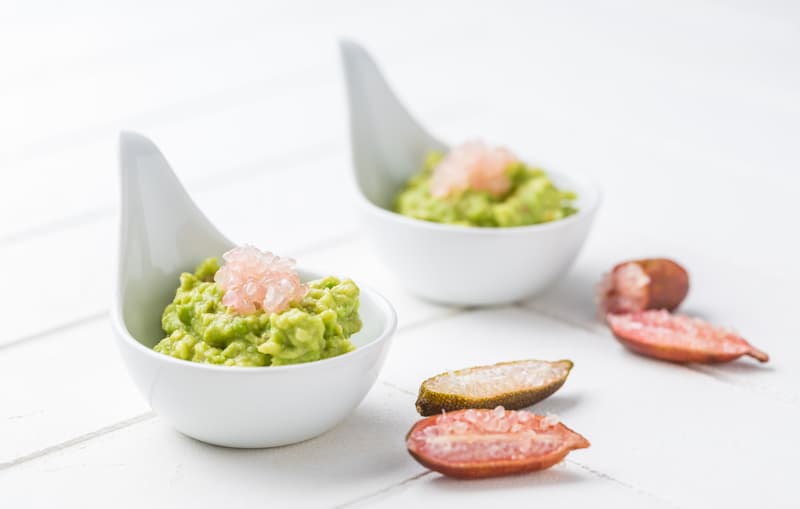
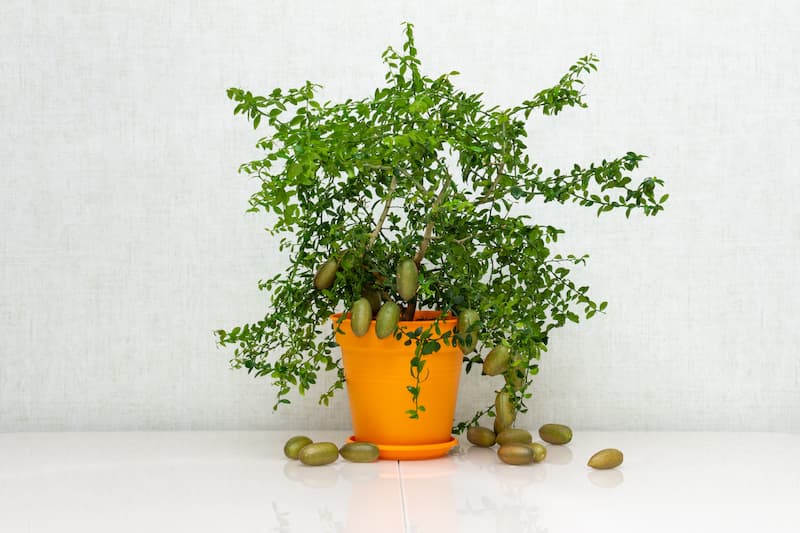


The finger lime tree (Citrus australasica), also known as Australian finger lime or caviar lime, is a unique citrus native to the subtropical rainforests of Queensland and New South Wales, Australia. Famous for its elongated, gherkin-like fruit and vibrant, pearl-like juice vesicles, the finger lime citrus has become a sought-after delicacy in gourmet cuisine worldwide. Beyond its culinary charm, this thorny, spiny shrub or small tree has remarkable resilience to pests and diseases, including citrus greening, making it a valuable asset to citrus breeding programs.
The finger lime belongs to the citrus family Rutaceae, which includes other popular citrus fruits such as grapefruit, orange, lemon, pomelo, clementine, mandarin, tangerine, kumquat, calamansi, Key lime, and Kaffir lime.
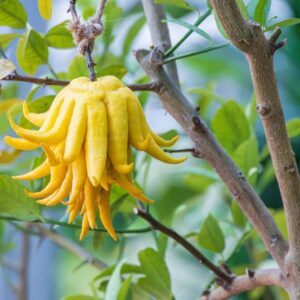
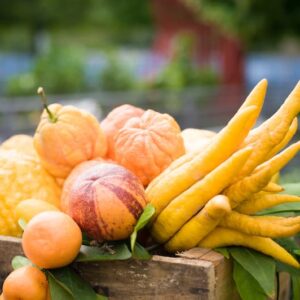
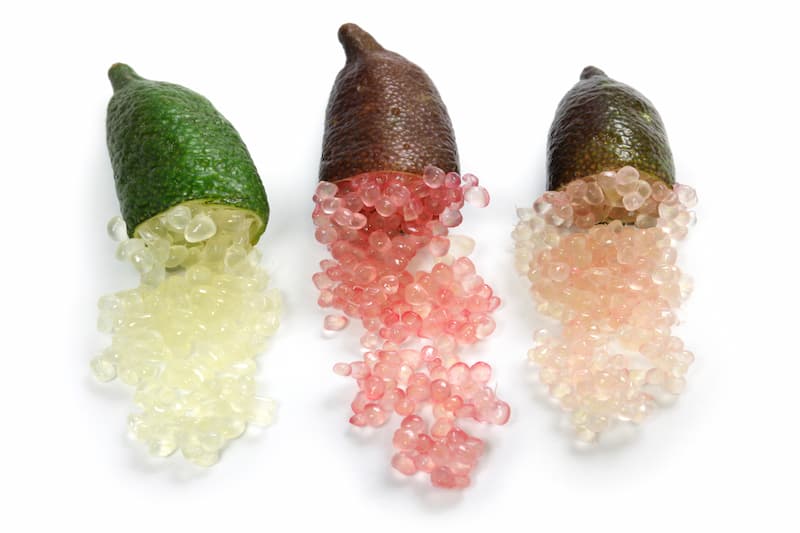
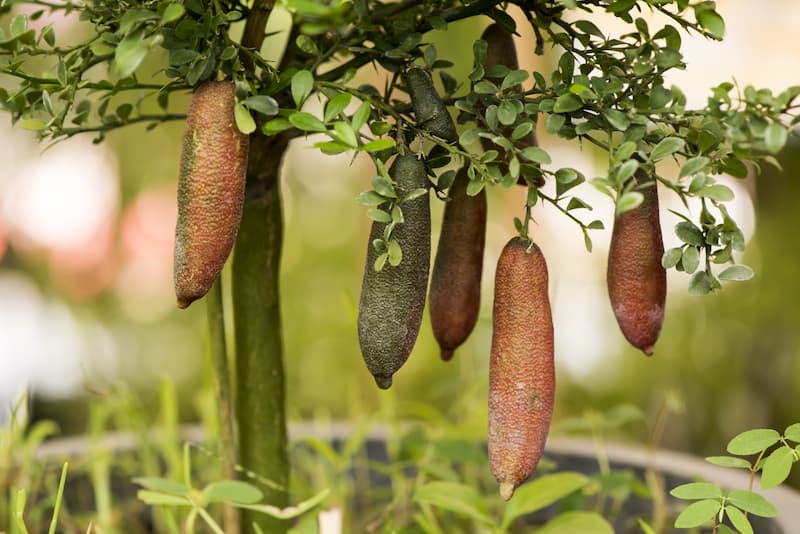
The finger lime is a small, thorny shrub or tree that can reach up to 33 feet (10 m) in the wild but is often maintained at much smaller sizes in cultivation. It produces cylindrical fruits 2–3 inches (5–8 cm) long, with tapered ends and a rough, pebbled rind. Colors vary dramatically—from green and yellow to pink and red—while the interior is filled with juice vesicles that resemble citrus caviar. These vesicles pop in the mouth with a bright, tart flavor often likened to a mix of lime, grapefruit, and lemon.
Citrus australasica is native to the lowland rainforests and open woodlands of southeastern Queensland and northeastern New South Wales, Australia. It thrives in disturbed, basalt-rich soils and has long been part of Aboriginal diets and traditional medicine.
The Australian finger lime grows as a thorny, dense understorey shrub or small tree. It features sharp 2.5 cm (1 in) spines along the leaf axils and small, obovate to rhombic leaves about 1–2.5 cm long. The plant forms a bushy, upright habit and tolerates pruning well.
In cultivation, finger lime trees typically reach 6–12 feet (1.8–3.6 meters) tall and 4–8 feet (1.2–2.4 meters) wide. Their compact size makes them suitable for container gardening or small backyard orchards.
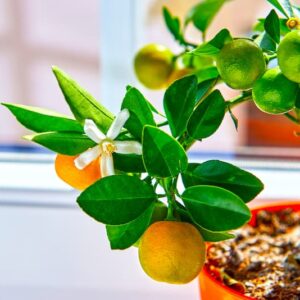
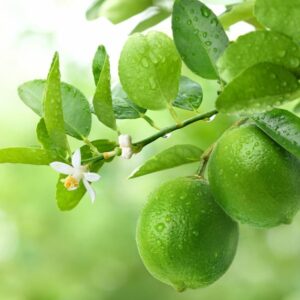
The plant produces small, fragrant white flowers with 20–25 stamens, appearing singly or in pairs. Petals are about 9 mm (0.35 in) long, often with a hint of pink. These flowers attract native pollinators and herald fruit development.
Blooming typically occurs from late spring through early summer, with fruit ready for harvest 5–7 months later. In warm climates, the tree may flower multiple times annually.
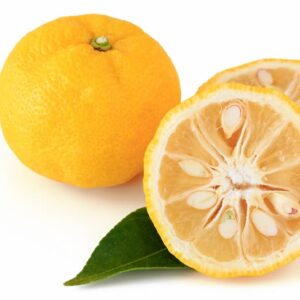
The fruit is a cylindrical berry, 2–4 inches (5–10 cm) long, with rough skin and a wide range of rind and pulp colors. Inside, the fruit contains spherical vesicles—”citrus caviar”—that burst with tangy, aromatic juice. Color combinations include green rind with pale green pulp, red skin with pink vesicles, and more.
Leaves are small, narrow, and light green with a glossy surface and faint scalloping near the tip. Like other citrus, they are rich in oil glands and release a strong aroma when crushed. The foliage is evergreen, dense, and attractive year-round.
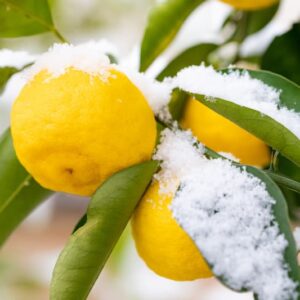
USDA Zones 9–11. Finger limes are moderately frost-tolerant once established but prefer warm, sheltered positions. In colder regions, grow in containers and overwinter indoors.
No known toxicity to humans or pets. However, thorny branches require care when handling to avoid injury.
A 100-gram serving of finger lime (approximately 7–10 fruits) contains about 25–30 calories, 4–7g of carbohydrates, and around 3g of fiber. It delivers between 80–88mg of vitamin C—nearly 98% of the daily recommended intake—alongside trace amounts of vitamin A, vitamin E, folate, potassium, magnesium, and calcium. Composed of nearly 90% water, the fruit is exceptionally hydrating and low in fat and protein.
Finger lime vesicles are rich in phenolic compounds and flavonoids, offering potent anti-inflammatory and antioxidant effects. These help neutralize free radicals and may support cellular health, cardiovascular function, and cognitive performance.
Aboriginal communities in Australia have harvested finger limes for millennia. The juice and skin were used to treat cuts and minor wounds, while the fruit served as an important source of hydration and nutrition during dry seasons.
| Benefit | How It Helps |
|---|---|
| Immune Support | High vitamin C content helps strengthen immune defenses and speeds up recovery from illness. |
| Skin Health | Promotes collagen production, hydrates skin, and protects against oxidative stress that leads to aging. |
| Weight Management | Low-calorie, high-water, and high-fiber content promotes satiety and supports healthy digestion. |
| Antioxidant Defense | Flavonoids combat oxidative damage, supporting heart and brain health. |
| Blood Pressure Regulation | Potassium content helps regulate blood pressure by balancing sodium levels. |
| Eye Health | Contains vitamin A, supporting vision and eye cell function. |
| Wound Healing | Traditional use of juice and skin to treat minor cuts; vitamin C also promotes tissue repair. |
| Digestive Health | Dietary fiber supports regular bowel movements and nourishes gut flora. |
Finger lime trees thrive in full sun and need at least 6–8 hours of direct sunlight each day to produce fruit effectively. In cooler or marginal climates, plant them in the warmest, most sheltered spot available.
Finger lime citrus prefers well-draining, slightly acidic to neutral soil with a pH of 5.5–6.5, though it can tolerate up to 7.0. Enhance poor soils with organic compost and coarse sand or perlite to improve aeration. Avoid heavy clay soils unless amended for proper drainage.
Maintain evenly moist soil, allowing the top inch to dry out between waterings. Overwatering can cause root rot, especially in containers. Once established, finger lime trees tolerate brief dry spells but need consistent moisture during flowering and fruiting for best performance.
Feed with a balanced citrus fertilizer rich in potassium every 6–8 weeks from spring through early fall. Organic citrus blends or slow-release formulations also work well. Reduce or stop fertilization during winter dormancy.
Prune annually to maintain shape, remove dead or diseased wood, and improve air circulation. Wear protective gloves and long sleeves to protect against thorns. Pruning encourages bushier growth and can help improve fruit yield and access to inner branches.
Finger lime trees grow well in containers. Choose a large pot with good drainage and fill it with well-draining citrus potting mix. In cold climates, bring containers indoors before the first frost and place near a sunny window. Maintain humidity with regular misting or a humidifier, and prune as needed to control size.
Bright, zesty, and aromatic—often described as a mix of lime, grapefruit, and lemon. The “caviar” vesicles pop with tart juice.
The juice is held in tiny pearl-like vesicles that look and feel like caviar. They burst on the tongue, releasing intense citrus flavor.
The peel is edible but quite aromatic and sometimes bitter. Most people use the vesicles as a garnish and zest the rind for fragrance.
Rind and pulp range widely: green, yellow, pink, red, even near-black rinds; pulp/vesicles can be pale green to pink and ruby.
It’s tougher than it looks—thorny but resilient. Give it full sun (6–8 hours), well-drained slightly acidic soil, and consistent moisture.
Best in USDA Zones 9–11. Established trees tolerate light frosts; in colder regions, grow in containers and overwinter indoors.
Yes. Use a large pot with drainage and citrus mix. Keep evenly moist (not soggy), feed with citrus fertilizer, and prune to shape.
Yes—sharp thorns along the shoots. Wear gloves when pruning and harvesting.
Blooming typically late spring to early summer; fruit ripens 5–7 months later. In warm climates it may flower more than once per year.
Fruit is firm, fully colored, aromatic, and detaches with gentle twisting/snipping. Vesicles release cleanly when ripe.
Refrigerate whole fruit for 2–3 weeks. The vesicles (“caviar”) freeze well and keep their pop for months.
Seed numbers vary by cultivar—some have few seeds, others more. Seeds are small and easily avoided when using the caviar.
Many set fruit on their own, but outdoor pollinators (bees) help. Indoor plants may benefit from gentle hand-pollination.
Common citrus pests (scale, aphids, whiteflies, mealybugs, spider mites, leafminers). Manage with horticultural oils/soaps and good airflow. Avoid waterlogging to prevent root rot.
It shows notable tolerance compared to many citrus and is used in breeding, but still monitor and follow local guidance.
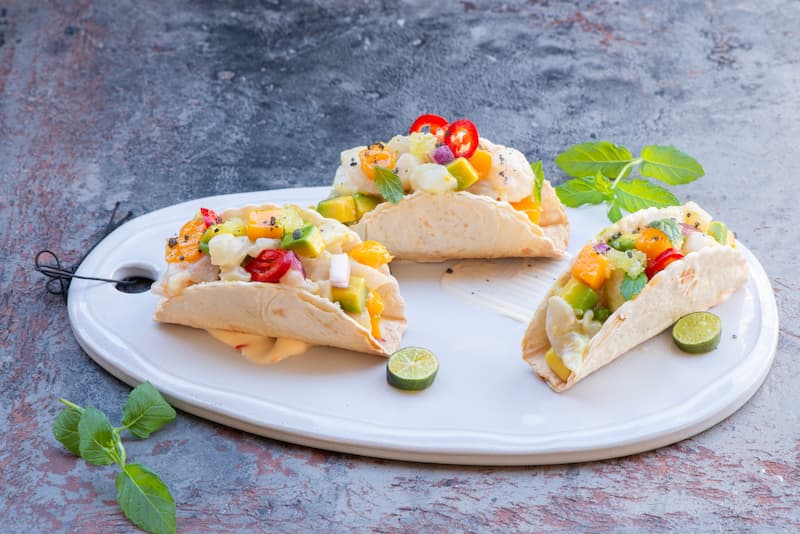
Spoon the caviar over seafood, sushi, ceviche, and oysters; fold into desserts, yogurt, sorbets; finish salads, cocktails, and sparkling water; sprinkle on tacos or grilled vegetables for a citrus pop.
Yes—zest for fragrance in dressings, marinades, and baking; make candied peel, marmalade, or infused syrups.
Low in calories, high in vitamin C, with water and fiber. Also contains beneficial flavonoids and aromatic compounds.
No known toxicity, but the acidic juice and essential oils can irritate sensitive mouths or skin. Keep thorns in mind around children and pets.
Regular limes are juicy segments with smooth flesh; finger limes have beaded vesicles that burst. Flavor is more aromatic and intense per bite.
| Hardiness |
9 - 11 |
|---|---|
| Climate Zones | 7, 8, 9, 12, 13, 14, 15, 16, 17, 18, 19, 20, 21, 22, 23, 24, H1, H2 |
| Plant Type | Fruits, Trees |
| Plant Family | Rutaceae |
| Genus | Citrus |
| Common names | Lime |
| Exposure | Full Sun |
| Season of Interest | Spring (Early, Mid, Late), Summer (Early, Mid, Late), Fall, Winter |
| Height | 6' - 12' (180cm - 3.7m) |
| Spread | 4' - 8' (120cm - 240cm) |
| Maintenance | Average |
| Water Needs | Average |
| Soil Type | Loam, Sand |
| Soil pH | Acid, Neutral |
| Soil Drainage | Moist but Well-Drained |
| Characteristics | Fragrant, Showy, Evergreen, Fruit & Berries |
| Garden Uses | Beds And Borders, Patio And Containers |
| Garden Styles | Mediterranean Garden |
| Toxic to Humans | No known toxicity |
| Toxic to Cats | No known toxicity |
| Toxic to Dogs | No known toxicity |
| Toxic to Horses | No known toxicity |


| Hardiness |
9 - 11 |
|---|---|
| Climate Zones | 7, 8, 9, 12, 13, 14, 15, 16, 17, 18, 19, 20, 21, 22, 23, 24, H1, H2 |
| Plant Type | Fruits, Trees |
| Plant Family | Rutaceae |
| Genus | Citrus |
| Common names | Lime |
| Exposure | Full Sun |
| Season of Interest | Spring (Early, Mid, Late), Summer (Early, Mid, Late), Fall, Winter |
| Height | 6' - 12' (180cm - 3.7m) |
| Spread | 4' - 8' (120cm - 240cm) |
| Maintenance | Average |
| Water Needs | Average |
| Soil Type | Loam, Sand |
| Soil pH | Acid, Neutral |
| Soil Drainage | Moist but Well-Drained |
| Characteristics | Fragrant, Showy, Evergreen, Fruit & Berries |
| Garden Uses | Beds And Borders, Patio And Containers |
| Garden Styles | Mediterranean Garden |
| Toxic to Humans | No known toxicity |
| Toxic to Cats | No known toxicity |
| Toxic to Dogs | No known toxicity |
| Toxic to Horses | No known toxicity |
How many Citrus australasica (Finger Lime) do I need for my garden?
| Plant | Quantity | |
|---|---|---|
| Citrus australasica (Finger Lime) | N/A | Buy Plants |
Create a membership account to save your garden designs and to view them on any device.
Becoming a contributing member of Gardenia is easy and can be done in just a few minutes. If you provide us with your name, email address and the payment of a modest $25 annual membership fee, you will become a full member, enabling you to design and save up to 25 of your garden design ideas.
Join now and start creating your dream garden!
Create a membership account to save your garden designs and to view them on any device.
Becoming a contributing member of Gardenia is easy and can be done in just a few minutes. If you provide us with your name, email address and the payment of a modest $25 annual membership fee, you will become a full member, enabling you to design and save up to 25 of your garden design ideas.
Join now and start creating your dream garden!