California Sagebrush, Coastal Sagebrush, California Sagewort, California Mugwort, Artemisia abrotanoides, Artemisia foliosa, Crossostephium californicum, Artemisia fischeriana
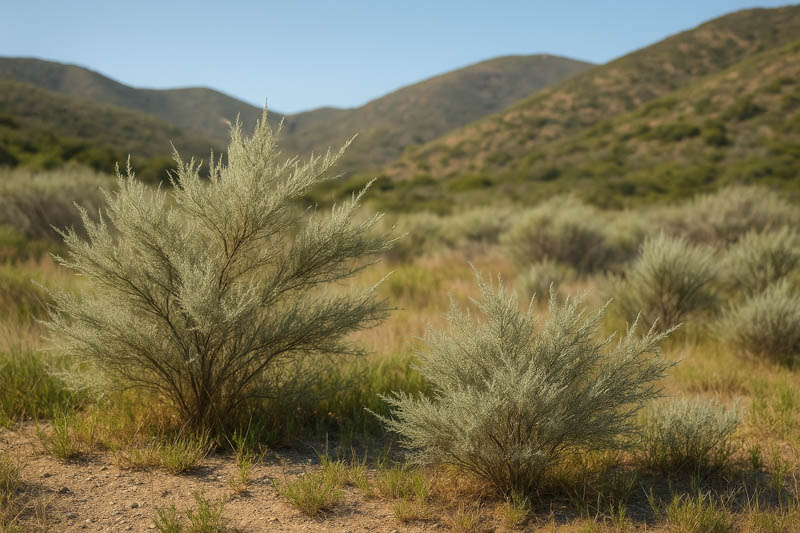


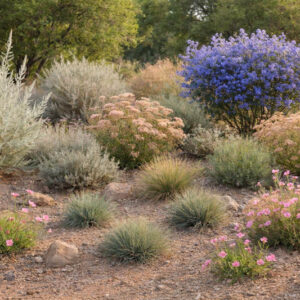
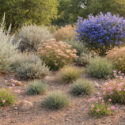
If your garden bakes in sun, shrugs off summer rain, and still begs for movement, fragrance, and year-round texture, meet Artemisia californica. Known widely as California sagebrush, this iconic shrub of the coastal sage scrub brings silvery foliage, a clean herbal scent, and effortless drought tolerance. It is the backbone plant for naturalistic, California native, and low-water landscapes from seaside hills to urban front yards. Pair it with buckwheats, sages, and grasses and you will have a pollinator-friendly scene that looks like the Pacific coast in miniature.
Summary: Fine-textured, evergray, aromatic shrub native to California and northern Baja. Thrives in full sun and dry, fast-draining soils with minimal irrigation once established.
Use: Coastal sage scrub plantings, wildlife hedgerows, slopes, Mediterranean borders, gravel gardens, habitat restoration, erosion control.
Highlight: Silky, dissected leaves that shimmer in wind and release a refreshing scent when brushed. Attractive to native insects and shelter for birds.
Note: Short-lived in heavy summer water or rich soils. Best with shear or renewal pruning to maintain shape and vigor.
| Botanical Name | Artemisia californica |
|---|---|
| Family | Asteraceae |
| Common Names | California sagebrush, coastal sagebrush, cowboy cologne |
| Native Range | California coast and foothills from Humboldt County to Baja California |
| Plant Type and Habit | Evergreen to semi-evergreen, mounding shrub with airy, arching stems and finely divided leaves |
| Hardiness (USDA) | Zones 7 to 9 (tolerates light frost once established) |
| Size | Typically 3 to 6 ft tall and 4 to 7 ft wide |
| Sun and Exposure | Full sun is best. Handles bright coastal light and wind. |
| Soil | Lean, sandy/rocky, very well-drained soils; tolerates slightly acidic to slightly alkaline; avoid heavy, summer-wet clay |
| Bloom | Late summer to fall with small, yellowish flower clusters along the stems. Subtle but nectar-bearing. |
| Primary Uses | Drought-tolerant borders, habitat gardens, slope stabilization, naturalistic plantings, coastal gardens, modern xeriscapes |
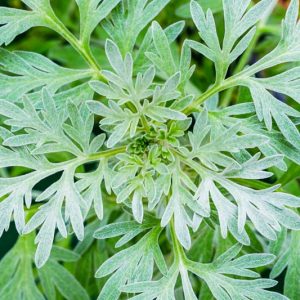
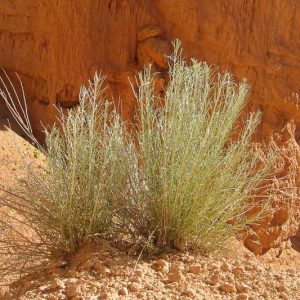
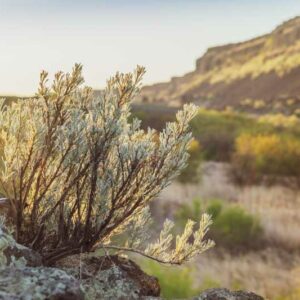
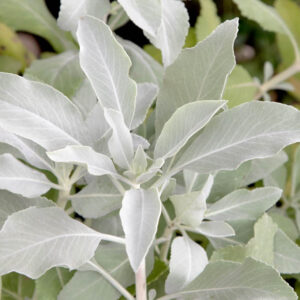
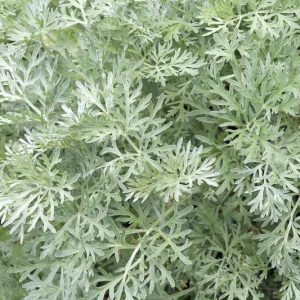
Artemisia californica is a finely textured shrub with thousands of threadlike leaf segments that shimmer like sea spray. Stems are flexible and arching, creating a soft dome that moves with the breeze. The foliage carries volatile oils that release a crisp, resinous scent whenever you brush past. Color ranges from soft silver to gray green depending on season and site. While the flowers are small, their nectar and pollen feed native insects late in the dry season when choices are limited.
Belonging to the Asteraceae family, California Sagebrush is related to other aromatic plants like wormwood (Artemisia absinthium) and tarragon (Artemisia dracunculus).
This species defines California’s coastal sage scrub from foggy North Coast bluffs to sunny inland foothills. It thrives on slopes and ridgelines with fast-draining soils and winter rain followed by long, dry summers. Those genetics make it a natural fit for water-wise landscaping throughout Mediterranean climate zones worldwide where summer drought is the norm.
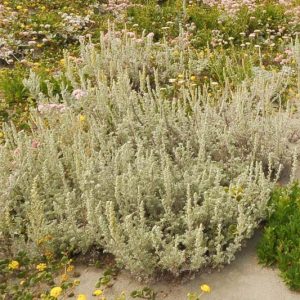
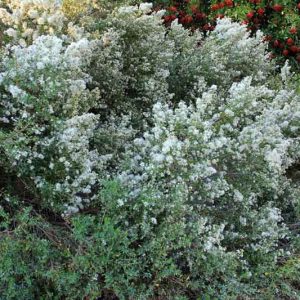
Expect a rounded, mounding habit with graceful, wand-like shoots. In the ground with good drainage, plants typically settle around 3 to 6 ft tall and 4 to 7 ft wide. Growth is fast in winter and spring when rains arrive, then slows in hot summer. Older shrubs can become leggy if never pruned, which is why light shearing after bloom or periodic renewal pruning keeps the plant youthful and dense.
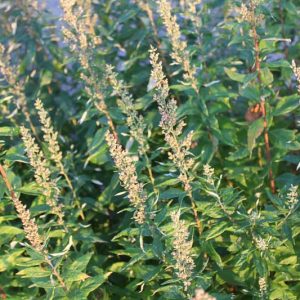
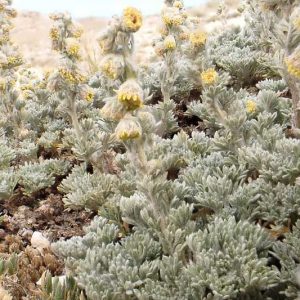
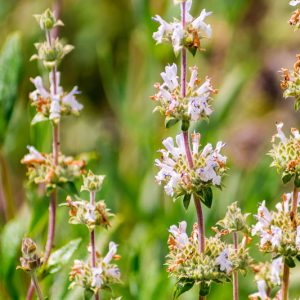
From late summer into fall, tiny yellow to buff flower heads line the upper stems. The show is subtle compared with flashy salvias or buckwheats, yet important for late-season pollinators. After bloom, seeds ripen and provide a bit of winter texture before pruning time.
The foliage is the star. Each leaf is dissected into delicate filaments, creating a feathery surface that catches light and wind. New growth is silvery and soft. As stems mature they turn warm gray, a perfect foil for deep green sages and cobalt ceanothus. The fragrance is clean and slightly camphoraceous, which many gardeners love and deer dislike.
California sagebrush is hardy in USDA Zones 7 to 9, tolerating brief cold snaps below freezing once established. It excels near the coast where nights are cool and air moves freely, but it also performs inland if the soil drains quickly and summer irrigation is minimal. High humidity combined with heavy watering can shorten lifespan, so think breezy and dry.
While the nectar flow is modest, the plant is ecologically rich. It provides nesting sites and shelter for small birds and insects, including the federally threatened California gnatcatcher and the endemic Bell’s sage sparrow. The leaves host specialized invertebrates that, in turn, feed birds and lizards. When combined with native buckwheats, sages, and annuals, it anchors a regional pollinator corridor.
Thanks to aromatic oils and a wiry texture, Artemisia californica is rarely browsed by deer. Young plants may be sampled during scarce times, so protect during establishment, then relax.
Drought is where California sagebrush shines. After the first dry season with occasional deep watering, most gardens can withhold summer irrigation. A light soak once a month in extreme heat keeps foliage fresh, but frequent water risks root rot and short life.
As with many Artemisia species, essential oils can be irritating if ingested in quantity. Treat it as ornamental. Wear gloves if you have sensitive skin when pruning, and avoid using foliage for teas or medicinal extracts unless guided by reliable sources.
All woody shrubs carry fuel. California sagebrush contains aromatic oils, yet its open, airy structure and summer dormancy can be managed in defensible-space design. Maintain spacing, remove dead twigs annually, and avoid dense masses immediately adjacent to structures. Blend with low, hydrated groundcovers and stone near buildings.
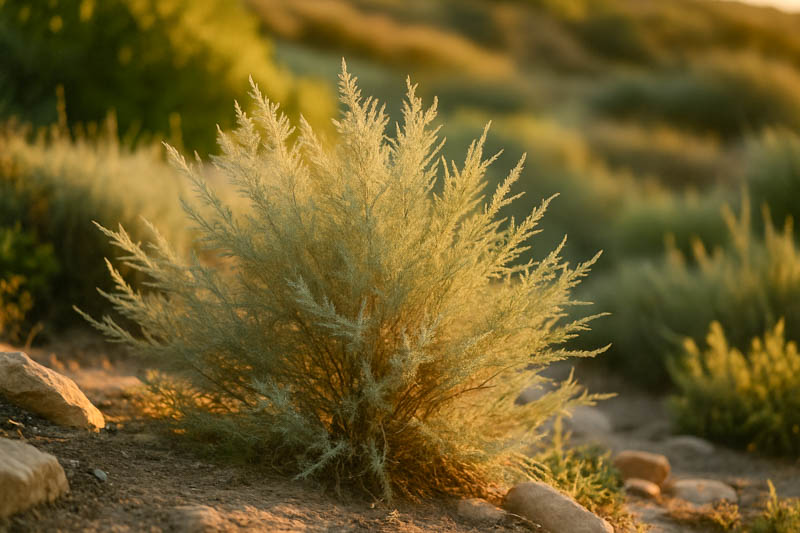
Full sun is essential for compact growth and the best silver color. Partial shade is tolerated at the coast, but expect looser, greener growth.
Think lean and fast. Sandy loam, decomposed granite, rocky rubble, or mounded native soil all work. If you garden in clay, build raised berms or mix in coarse mineral material like crushed lava or pumice to speed drainage. Do not bury in rich compost. This is not a thirsty rose bed plant.
During the first year, water deeply every 10 to 14 days during warm dry spells. In year two, stretch intervals longer. After that, give an occasional rescue soak during heat waves or not at all in coastal zones. Overwatering is the number one cause of decline.
No fertilizer is required. Excess nutrients push lanky growth and reduce longevity. If a plant looks tired, a light topdressing of fine gravel and a post-bloom shear work better than feeding.
Skip moisture-holding bark. Use mineral mulch such as gravel, decomposed granite, or crushed rock. It stays cool, drains fast, and sets a naturalistic scene that suits other chaparral plants.
California sagebrush appreciates grooming. After flowering in late fall or in late winter before new growth, shear 10 to 30 percent of the outer growth to tighten the dome. Every few years, renewal prune by removing a handful of oldest stems at the base. Avoid cutting into bare wood with no side shoots, since old stems may not resprout.
In perfect drainage with light touch irrigation, plants can thrive 8 to 12 years. If a shrub gets woody or sparse, replace it with a fresh youngster grown from cuttings taken in late spring. In habitat borders, stagger ages so the scene never looks newly planted all at once.
Flexible stems root where they touch soil. Pin a low stem under a pebble and cover with a splash of grit. Cut free and transplant once roots form.
No. California sagebrush is in the daisy family and is not the culinary sage used in cooking. It is valued for landscape fragrance, habitat value, and drought tolerance rather than as a kitchen herb.
In most coastal and inland Mediterranean climates, once a month or less during extreme heat is enough. Many gardens provide no summer water at all and the plant remains healthy.
Shear lightly after fall bloom or in late winter before spring growth. Every few years remove several of the oldest stems near the base to renew. Avoid cutting into large bare branches that lack side buds.
Absolutely. It thrives in coastal wind, bright light, and sandy soils. Salt spray tolerance is moderate to good, making it a reliable seaside shrub.
It can seed lightly in open, dry soils within its climate zone but is not considered invasive in gardens. Seedlings are easy to pull or transplant.
| Hardiness |
7 - 9 |
|---|---|
| Climate Zones | 7, 8, 9, 14, 15, 16, 17, 18, 19, 20, 21, 22, 23, 24 |
| Plant Type | Shrubs |
| Plant Family | Compositae |
| Genus | Artemisia |
| Common names | Sagebrush |
| Exposure | Full Sun |
| Season of Interest | Spring (Early, Mid, Late), Summer (Early, Mid, Late), Fall, Winter |
| Height | 3' - 6' (90cm - 180cm) |
| Spread | 4' - 7' (120cm - 210cm) |
| Spacing | 48" - 84" (120cm - 210cm) |
| Maintenance | Low |
| Water Needs | Low |
| Soil Type | Loam, Sand |
| Soil pH | Acid, Alkaline, Neutral |
| Soil Drainage | Well-Drained |
| Characteristics | Fragrant, Showy |
| Native Plants | California |
| Tolerances | Drought, Deer, Dry Soil, Rocky Soil, Heat, Poor Soil |
| Attracts | Birds, Butterflies |
| Garden Uses | Banks And Slopes, Ground Covers, Hedges And Screens |
| Garden Styles | Gravel and Rock Garden, Informal and Cottage, Mediterranean Garden |
| Toxic to Humans | No known toxicity |
| Toxic to Cats | No known toxicity |
| Toxic to Dogs | No known toxicity |
| Toxic to Horses | No known toxicity |


| Hardiness |
7 - 9 |
|---|---|
| Climate Zones | 7, 8, 9, 14, 15, 16, 17, 18, 19, 20, 21, 22, 23, 24 |
| Plant Type | Shrubs |
| Plant Family | Compositae |
| Genus | Artemisia |
| Common names | Sagebrush |
| Exposure | Full Sun |
| Season of Interest | Spring (Early, Mid, Late), Summer (Early, Mid, Late), Fall, Winter |
| Height | 3' - 6' (90cm - 180cm) |
| Spread | 4' - 7' (120cm - 210cm) |
| Spacing | 48" - 84" (120cm - 210cm) |
| Maintenance | Low |
| Water Needs | Low |
| Soil Type | Loam, Sand |
| Soil pH | Acid, Alkaline, Neutral |
| Soil Drainage | Well-Drained |
| Characteristics | Fragrant, Showy |
| Native Plants | California |
| Tolerances | Drought, Deer, Dry Soil, Rocky Soil, Heat, Poor Soil |
| Attracts | Birds, Butterflies |
| Garden Uses | Banks And Slopes, Ground Covers, Hedges And Screens |
| Garden Styles | Gravel and Rock Garden, Informal and Cottage, Mediterranean Garden |
| Toxic to Humans | No known toxicity |
| Toxic to Cats | No known toxicity |
| Toxic to Dogs | No known toxicity |
| Toxic to Horses | No known toxicity |
How many Artemisia californica (California Sagebrush) do I need for my garden?
| Plant | Quantity | |
|---|---|---|
| Artemisia californica (California Sagebrush) | N/A | Buy Plants |
Create a membership account to save your garden designs and to view them on any device.
Becoming a contributing member of Gardenia is easy and can be done in just a few minutes. If you provide us with your name, email address and the payment of a modest $25 annual membership fee, you will become a full member, enabling you to design and save up to 25 of your garden design ideas.
Join now and start creating your dream garden!
Create a membership account to save your garden designs and to view them on any device.
Becoming a contributing member of Gardenia is easy and can be done in just a few minutes. If you provide us with your name, email address and the payment of a modest $25 annual membership fee, you will become a full member, enabling you to design and save up to 25 of your garden design ideas.
Join now and start creating your dream garden!