Peanut, Groundnut, Gober, Pindar, Monkey Nut, Manilla Nut, Pinder, Underground Bean, Earth Almond, Earth Nut, Grass Nut, Ground Nut
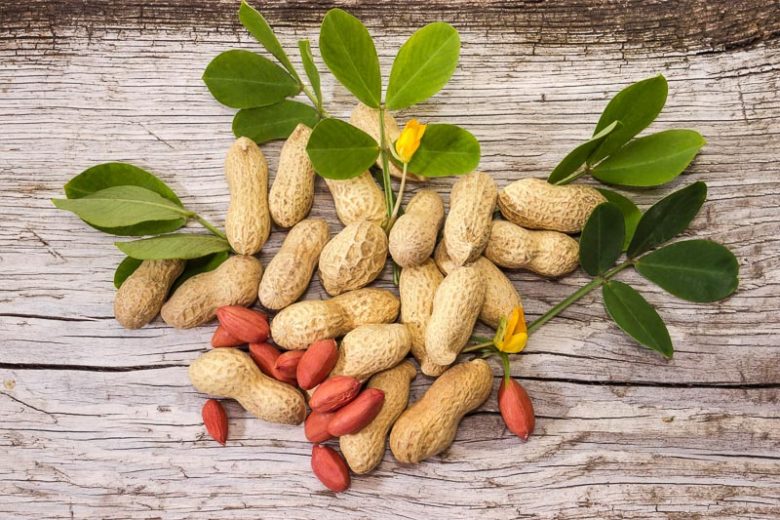
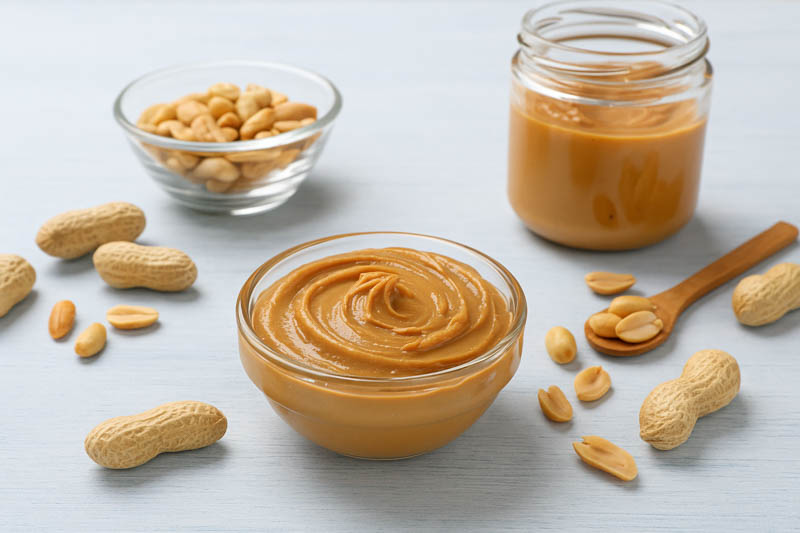


Arachis hypogaea, better known as the peanut plant, is a ground-hugging legume with a seriously impressive resume. It’s the humble hero behind some of your all-time favorite treats—like peanut butter cookies, peanut butter fudge, and peanut butter blossoms. Native to South America, this quirky little crop grows its pods underground, but its flavor impact is sky-high.
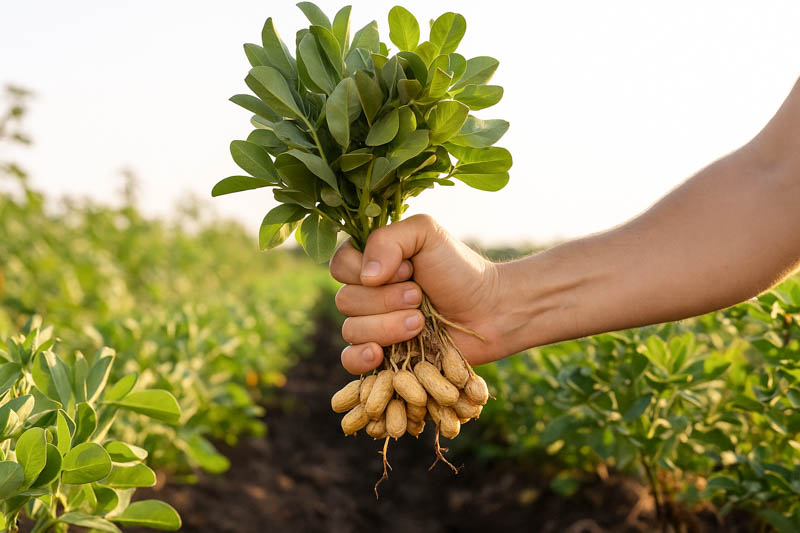
Peanuts belong to the Fabaceae (legume) family—yes, the same one that gives us beans, lentils, and chickpeas. But unlike its above-ground cousins, it pulls off a strange trick: it flowers above ground, but buries its fruit below the soil. It’s basically nature’s version of a treasure hunt.
Peanuts got their start in the warm, tropical zones of South America—places like modern-day Bolivia and Brazil. Indigenous peoples were munching on them long before peanut butter was a thing, and eventually, they made their way to Africa and Asia via trade. Today, you’ll find them growing in sunny, sandy soils around the world—from Georgia to India.
The peanut plant is a low-growing, bushy annual. It spreads out like a small green carpet, only about 18 inches (45 cm) tall. After the flowers are pollinated, the plant sends down pegs (yes, pegs!) into the soil, where the fruits form. It’s one of the few crops that actually buries its own seeds.
Typically growing about 1 to 1.5 feet tall (30-45 cm) and 2–3 feet (60-90 cm) wide, the plant is compact enough for small gardens or big fields. It’s as efficient as it is fascinating.
Plants are grown as annuals—they complete their life cycle in a single growing season, usually 4 to 5 months from planting to harvest. Plant in spring, and you’re harvesting by late summer or early fall.
The flowers are small, yellow, and self-pollinating. After blooming, the real magic happens—the plant pushes the fertilized ovary down into the ground to grow peanuts. It’s one of the only legumes with such an underground twist.
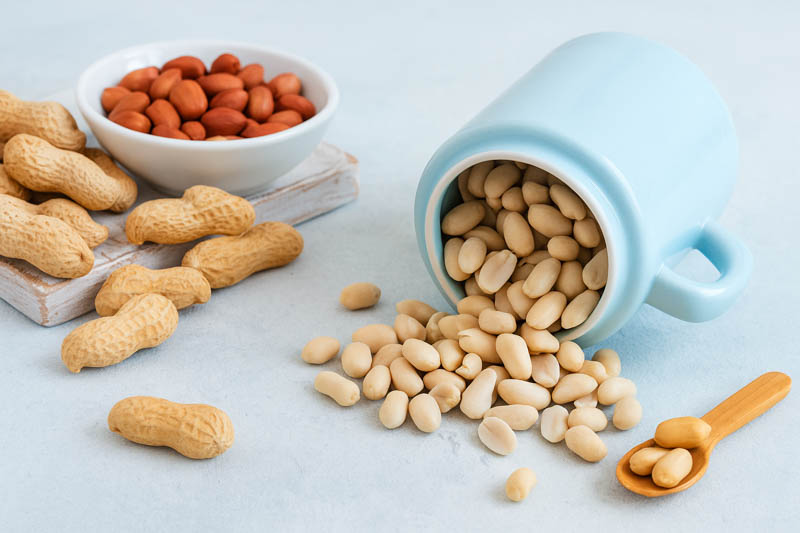
The “nut” part is actually a seed, housed in a tough, veined shell that forms underground. Each pod usually contains 1 to 4 seeds, and when they’re dug up and dried, that’s when they become the peanuts we snack on, roast, grind, or mix into sauces.
Bright green and oval-shaped, the leaves grow in pairs and help shade the soil. They’re not flashy, but they do their job well.
Plants grow best in USDA zones 8–11, where long, warm, frost-free seasons are the norm.
That said, gardeners in zones 6 and 7 (and even zone 5 with effort) can still grow peanuts by starting seeds indoors and transplanting after the last frost, or by selecting early-maturing varieties. Peanuts need about 120–150 frost-free days to reach full maturity and do not tolerate frost at any stage of growth.
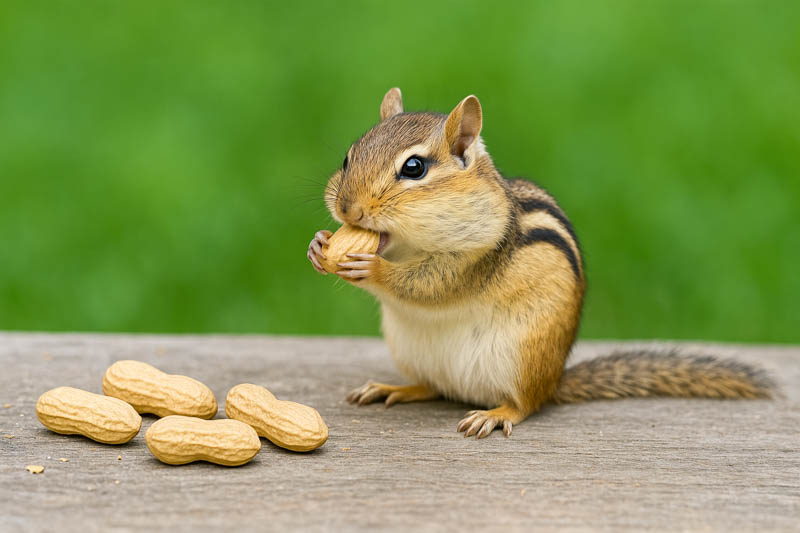
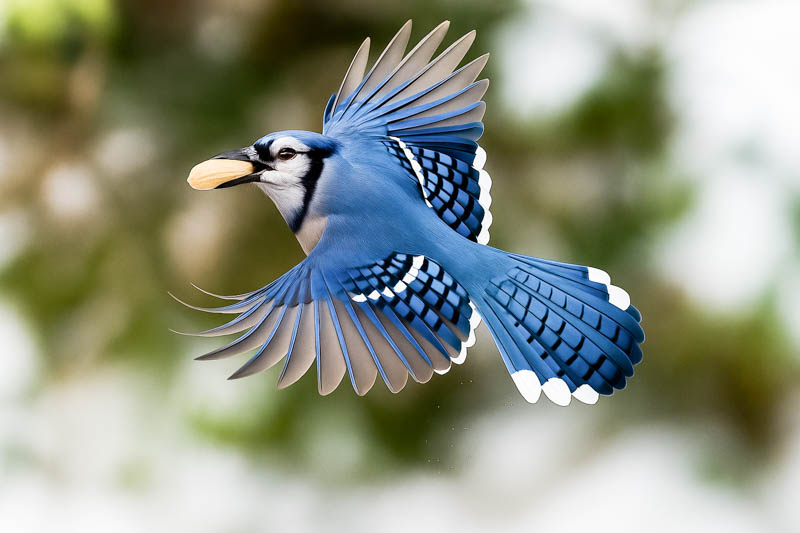
Peanuts are a high-energy food source that attracts a wide range of wildlife—from songbirds to mammals—thanks to their rich nutritional content.
While peanuts support backyard wildlife and contribute to local ecosystems, they can also pose challenges for farmers, as many of these animals won’t hesitate to help themselves come harvest time.
Plants prefer consistent moisture, especially during flowering and pegging, but they can tolerate short dry spells. Once they’re close to harvest, they actually like drier conditions to help the pods cure properly.
Here’s where we get serious. Peanut allergy is a real concern and can be life-threatening. While peanuts are safe and healthy for most people, those with allergies need to avoid them completely. And yep, they aren’t tree nuts—they’re legumes—but the allergic response is still very real.
Peanuts are cultivated crops and not invasive. They won’t take over your garden or spread where they’re not wanted. Grow them with confidence!
Peanuts may be small, but they pack a big punch in the nutrition department. They deliver plant-based protein, healthy fats, and a surprising amount of essential vitamins and minerals.
Here’s a typical nutritional breakdown for 1 ounce (28g) of raw peanuts (about 28 whole nuts):
| Nutrient | Amount (per 28g / 1 oz) |
|---|---|
| Calories | 161 kcal |
| Protein | 7.3 g |
| Fat | 14 g (mostly monounsaturated and polyunsaturated) |
| Carbohydrates | 4.6 g |
| Fiber | 2.4 g |
| Magnesium | 48 mg (12% DV) |
| Potassium | 200 mg (4% DV) |
| Calcium | 17 mg (1% DV) |
| Iron | 1.3 mg (7% DV) |
| Phosphorus | 100 mg (8% DV) |
| Niacin (B3) | 4.4 mg (27% DV) |
| Folate | 68 mcg (17% DV) |
| Vitamin E | 2.4 mg (16% DV) |
*DV = Daily Value, based on a 2,000 calorie diet.
They are especially rich in niacin, folate, vitamin E, and magnesium. While they contain small amounts of the antioxidant resveratrol, their real nutritional strength lies in their healthy fat profile and ability to help you feel full longer. Just remember—if you have a peanut allergy, avoid them entirely.
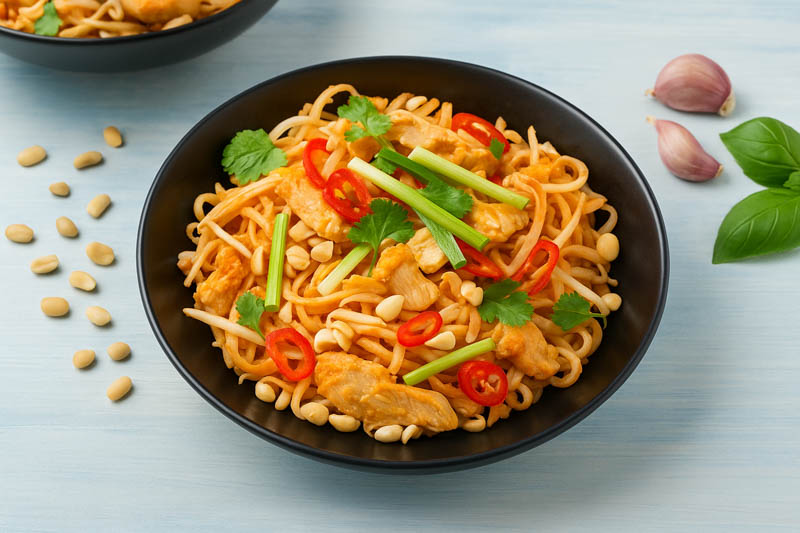
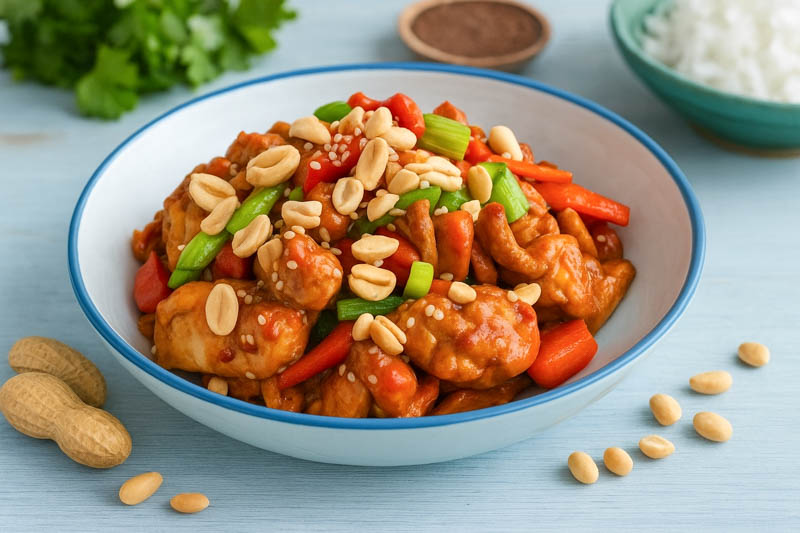
From peanut butter bars to savory Thai peanut sauce, peanuts show up in both sweet and savory forms—and they bring major nutrition wherever they go.
| Benefit | Description |
|---|---|
| Protein-Packed | With 7+ grams of protein per ounce, they are a tasty way to fuel your muscles and stay satisfied between meals. |
| Heart Health | Loaded with monounsaturated fats and antioxidants like resveratrol—may help lower bad cholesterol and support cardiovascular health. |
| Weight-Friendly | High in fiber and healthy fats—plus, peanut butter crackers and peanut butter make excellent, filling snacks. |
| Blood Sugar Support | They have a low glycemic load and can help keep blood sugar steady when eaten with meals or as part of snacks like peanut butter cookies. |
| Brain Boost | Rich in niacin and folate—important for cognitive function and brain health. Bring on the peanut butter fudge for a little treat with benefits. |
| Versatile Uses | From spicy peanut sauce in your stir-fry to smooth peanut butter whiskey cocktails, they show up in every corner of the kitchen. |
Peanuts are tasty, versatile, and packed with nutrients—but like most good things, they’re best enjoyed in moderation. Here are a few side effects and considerations to keep in mind:
| Potential Side Effect | Explanation |
|---|---|
| Peanut Allergy | A well-known and potentially life-threatening allergy. Even tiny amounts can trigger severe reactions in sensitive individuals. |
| Digestive Discomfort | Some people may experience bloating or gas from the fiber and fat content—especially after eating large amounts of peanuts. |
| Weight Gain | They are calorie-dense. Frequent snacking can add up quickly. |
| Sodium Overload | Salted peanuts and processed peanut snacks can be high in sodium. Choose unsalted varieties when possible, especially if you’re watching your blood pressure. |
| Aflatoxins | Improperly stored peanuts can develop mold that produces aflatoxins—compounds that may pose health risks. Always buy from trusted sources and store them in a cool, dry place. |
Peanuts are a staple in many diets around the world—and for good reason. Just be mindful of portions and allergies.
Peanuts are delicious, affordable, and endlessly snackable. Whether you’re digging into a jar of peanut butter or tossing crushed peanuts onto a Thai dish, here’s how to make the most of them:
Whether you’re keeping it classic with a PB&J or going gourmet with homemade peanut sauce, this little legume offers big flavor and even bigger variety.
Curious about which nuts are topping snack bowls and culinary charts around the world? Here’s a flavorful lineup of the most popular edible nuts—some true nuts, some not technically nuts (we’re looking at you, peanuts!), but all commonly enjoyed and commercially important. Meet the nutty all-stars:
Almond (Prunus dulcis), Cashew (Anacardium occidentale), Walnut (Juglans regia), Pecan (Carya illinoinensis), Hazelnut (Corylus avellana), Macadamia (Macadamia integrifolia, Macadamia tetraphylla), Pistachio (Pistacia vera), Brazil nut (Bertholletia excelsa), Pine nut (Pinus pinea, Pinus koraiensis, and other Pinus species), Peanut (Arachis hypogaea), Chestnut (Castanea sativa, Castanea dentata), Hickory nut (Carya species), Pili nut (Canarium ovatum), Ginkgo nut (Ginkgo biloba), Baru nut (Dipteryx alata), and Ogbono nut (Irvingia gabonensis).
From creamy macadamias and rich pecans to wild acorns, this diverse bunch has something for everyone—whether you’re baking, snacking, or just cracking open something new!
Sun Lovers Through and Through
Plants thrive in full sun—give them at least 6–8 hours of direct sunlight each day. The more rays they soak up, the stronger the plant, the more pods they’ll produce, and the happier your harvest will be. Shady spots = smaller yields and slower growth.
Loose, Sandy, and Well-Drained
Peanuts like their soil loose and fluffy—think sandy loam with good drainage. Clay or heavy soils? Not ideal, since the pods develop underground and need space to form. Aim for a slightly acidic to neutral pH (around 6.0–6.5). If your soil’s too dense, raised beds or amending with compost can help lighten the load.
Moist but Not Soggy
Plants like regular moisture, especially during flowering and pegging (when those pegs dive into the soil to form pods). Water deeply once or twice a week, depending on rainfall and soil type. Let the top layer dry out a bit between waterings to avoid rot. Scale back once the plants start yellowing before harvest.
Warm Days, Mild Nights
Peanuts love heat and do best when temperatures stay between 70°F and 90°F (21°C–32°C). They’re sensitive to frost—so wait until the soil is warm and all danger of frost is gone before planting. High humidity isn’t ideal (ideal humidity range is 40–50%) and can promote fungal problems, so ensure good airflow if you’re in a more humid zone.
Less is More
Since they fix their own nitrogen, you don’t need much fertilizer. In fact, too much nitrogen can lead to lots of leafy growth and fewer fruits. A light dose of balanced fertilizer (like 5-10-10) at planting time is plenty. If your soil’s lacking in calcium (especially gypsum), adding it when flowering starts can boost pod development.
Great for Big Containers—Temporarily
You can grow peanuts in containers, especially if space is tight. Choose a pot that’s at least 12–18 inches (30-45 cm) deep and wide, filled with loose, sandy soil. Make sure it drains well, and keep it in full sun. Harvest is a little easier in pots, but yields are usually smaller than in the ground.
Harvesting peanuts is like digging for treasure—literally! Since the pods grow underground, you won’t see your crop until the big reveal.
Peanuts are ready to harvest when:
To harvest:
Want roasted peanuts? Toss them in the oven at 350°F (175°C) for 15–20 minutes, stirring occasionally, until they’re golden and fragrant.
You’ve harvested, cured, and maybe even roasted your peanuts—now it’s time to keep them fresh and flavorful.
Storage tips:
Whether you’re stashing raw peanuts or homemade peanut butter, proper storage means better flavor and longer shelf life.
Growing peanuts from seed is easy and fun—especially for kids or curious gardeners. Unlike pistachios, you don’t need to graft or wait years to see results.
Here’s how to do it:
No cold stratification, no grafting—just soil, sun, and a little patience. Within a few months, you’ll be pulling your own peanuts right out of the ground. Nature’s snack machine, right in your garden.
Peanuts might seem low-maintenance, but pests and diseases can sneak in—especially in warm, moist climates. Keeping your patch healthy means staying one step ahead of these common troublemakers.
Plants can attract a variety of hungry visitors. Here’s who to keep an eye out for:
Pro Tip: Rotate crops, maintain healthy soil, encourage beneficial insects, and inspect regularly for early signs of trouble.
Peanut plants are vulnerable to a few fungal and viral diseases—especially in humid areas or when airflow is poor:
With a little attention and proactive care, your peanut patch can stay healthy and productive—and reward you with a hearty harvest.
Peanut butter isn’t toxic to cats, but it’s not recommended. It’s high in fat and often contains added sugar or salt. Some brands may also include xylitol, which is dangerous for pets. It’s best to skip it.
Yes, peanut butter can be part of a healthy diet. It’s rich in protein, healthy fats, fiber, and essential nutrients like magnesium and niacin. Just choose natural versions without added sugar or hydrogenated oils, and watch your portion size.
While peanut paste existed earlier, modern peanut butter as we know it was patented in 1895 by Dr. John Harvey Kellogg (yes, the cereal guy). He created it as a plant-based protein for patients with chewing difficulties.
Yes, in moderation. Most dogs love peanut butter, and it’s a safe treat—just make sure it’s xylitol-free and low in salt. It’s often used to hide pills or fill treat toys like KONGs.
Yes, over time. Natural peanut butter (without preservatives) typically lasts a few months at room temperature or longer if refrigerated. If it smells sour or has mold, toss it.
Mix 1 cup peanut butter, 1 cup sugar, and 1 egg. Roll into balls, press with a fork, and bake at 350°F (175°C) for 10–12 minutes. That’s the quick and classic version!
Blend roasted peanuts in a food processor for 3–5 minutes until smooth. Add a pinch of salt or a drizzle of honey if desired. Store in a sealed jar in the fridge.
Yes, technically. Even though peanuts are legumes, peanut oil is classified as a seed oil because it’s extracted from the seeds of the peanut plant.
Peanut oil is considered heart-healthy in moderation. It’s high in monounsaturated fats and has a high smoke point, making it good for frying. However, it’s still calorie-dense, so use it wisely.
| Hardiness |
6 - 11 |
|---|---|
| Climate Zones | 2, 2A, 2B, 3, 3A, 3B, 4, 5, 6, 7, 8, 9, 10, 11, 12, 13, 14, 15, 16, 17, 18, 19, 20, 21, 22, 23, 24 |
| Plant Type | Annuals |
| Plant Family | Fabaceae |
| Common names | Peanut |
| Exposure | Full Sun |
| Season of Interest | Fall |
| Height | 1' - 2' (30cm - 60cm) |
| Spread | 1' - 2' (30cm - 60cm) |
| Maintenance | Average |
| Water Needs | Low, Average |
| Soil Type | Loam, Sand |
| Soil pH | Acid, Neutral |
| Soil Drainage | Well-Drained |
| Tolerances | Drought |
| Attracts | Birds |
| Garden Uses | Patio And Containers |
| Garden Styles | Mediterranean Garden |
| Toxic to Humans | No known toxicity |
| Toxic to Cats | No known toxicity |
| Toxic to Dogs | No known toxicity |
| Toxic to Horses | No known toxicity |


| Hardiness |
6 - 11 |
|---|---|
| Climate Zones | 2, 2A, 2B, 3, 3A, 3B, 4, 5, 6, 7, 8, 9, 10, 11, 12, 13, 14, 15, 16, 17, 18, 19, 20, 21, 22, 23, 24 |
| Plant Type | Annuals |
| Plant Family | Fabaceae |
| Common names | Peanut |
| Exposure | Full Sun |
| Season of Interest | Fall |
| Height | 1' - 2' (30cm - 60cm) |
| Spread | 1' - 2' (30cm - 60cm) |
| Maintenance | Average |
| Water Needs | Low, Average |
| Soil Type | Loam, Sand |
| Soil pH | Acid, Neutral |
| Soil Drainage | Well-Drained |
| Tolerances | Drought |
| Attracts | Birds |
| Garden Uses | Patio And Containers |
| Garden Styles | Mediterranean Garden |
| Toxic to Humans | No known toxicity |
| Toxic to Cats | No known toxicity |
| Toxic to Dogs | No known toxicity |
| Toxic to Horses | No known toxicity |
How many Arachis hypogaea – Peanuts do I need for my garden?
| Plant | Quantity | |
|---|---|---|
| Arachis hypogaea – Peanuts | N/A | Buy Plants |
Create a membership account to save your garden designs and to view them on any device.
Becoming a contributing member of Gardenia is easy and can be done in just a few minutes. If you provide us with your name, email address and the payment of a modest $25 annual membership fee, you will become a full member, enabling you to design and save up to 25 of your garden design ideas.
Join now and start creating your dream garden!
Create a membership account to save your garden designs and to view them on any device.
Becoming a contributing member of Gardenia is easy and can be done in just a few minutes. If you provide us with your name, email address and the payment of a modest $25 annual membership fee, you will become a full member, enabling you to design and save up to 25 of your garden design ideas.
Join now and start creating your dream garden!