Barbados Aloe, Aloe vera, Aloe perfoliata, Aloe barbadensis, Curaçao Aloe, Bitter Aloes, Medicinal Aloe

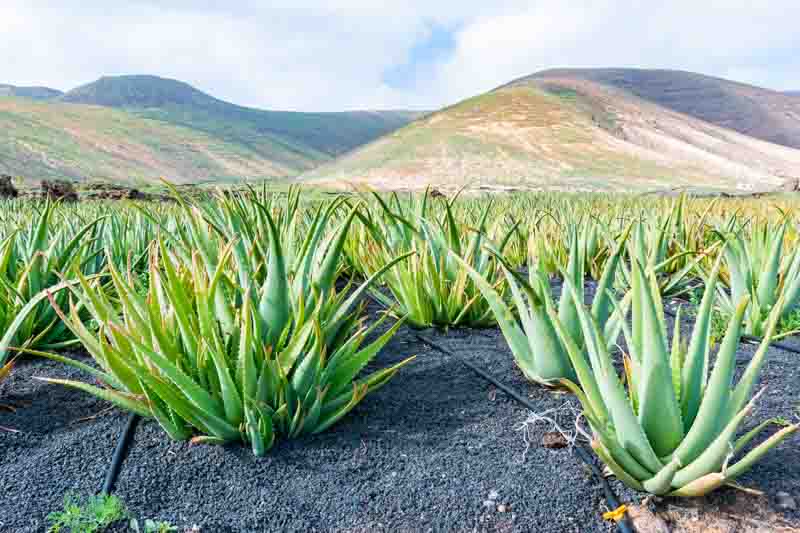


A sun-loving succulent with water-storing leaves. The inner aloe vera gel is prized for soothing skin, while the plant itself is tough, drought-wise, and handsome indoors and out. Use bright light, fast-draining soil, and light, infrequent water for easy aloe vera plant care.
| Botanical Name | Aloe vera (syn. Aloe barbadensis) |
|---|---|
| Family | Asphodelaceae |
| Plant Type & Habit | Evergreen, clump-forming succulent; offsets (pups) around the base |
| Size | Leaves 12–18 in long; clumps 1–2 ft tall and 2–3 ft wide; flower stalks to 3 ft |
| Hardiness | USDA 10–12 outdoors; elsewhere as a houseplant |
| Light | Bright light to full sun; south or west window indoors |
| Soil | Gritty, very well drained mix; cactus/succulent substrate with extra perlite or pumice |
| Water | Deep, infrequent; allow soil to dry between waterings |
| Bloom | Tubular greenish-yellow flowers in late winter to summer, depending on light |
| Uses | Houseplant, patio pot, xeric garden; harvest inner leaf aloe vera gel for topical uses |
| Pet Safety | Latex in the outer leaf is toxic if ingested by pets; keep out of reach |
| Awards | RHS Award of Garden Merit |
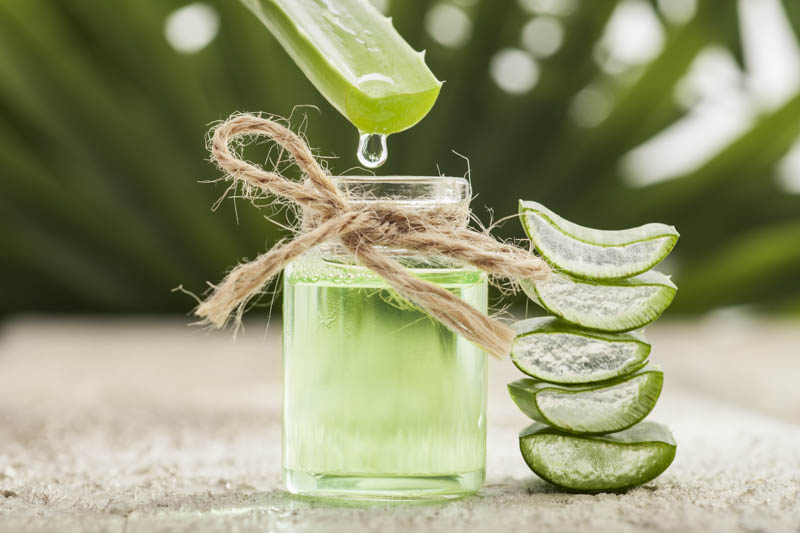
Aloe vera is a stemless, evergreen succulent native to the Arabian Peninsula and now naturalized across warm, dry regions worldwide. Its thick, water-holding leaves evolved to endure drought, which is why an aloe vera plant is so forgiving indoors. Slice open a mature leaf and you will find the clear inner pulp widely known as aloe vera gel—a cooling, mucilaginous substance used for centuries to comfort minor burns and skin irritations.
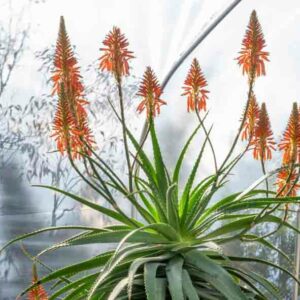
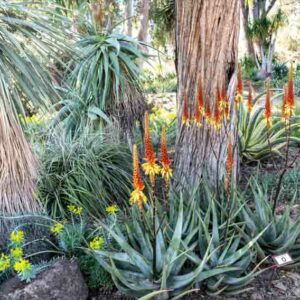
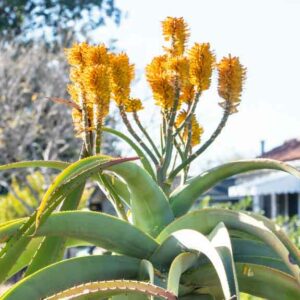
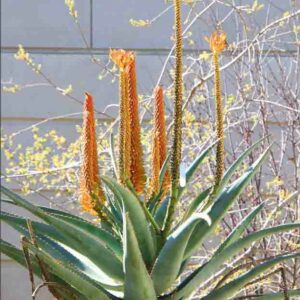
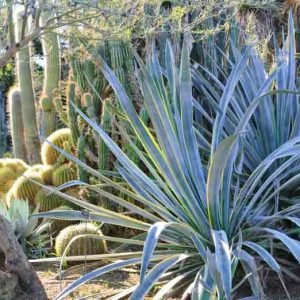
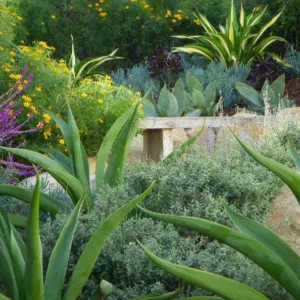
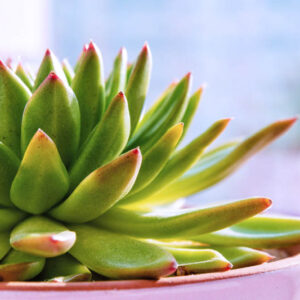
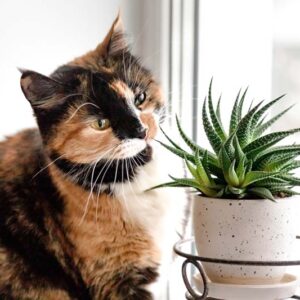
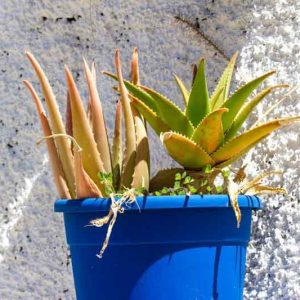
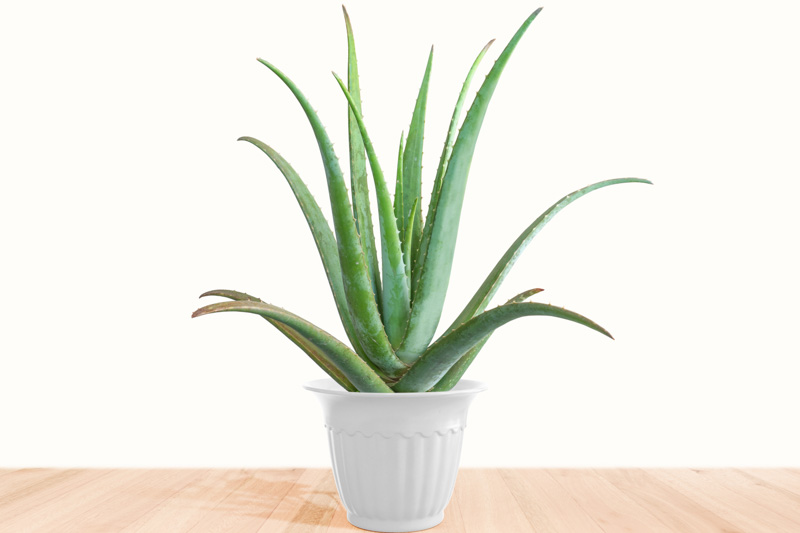
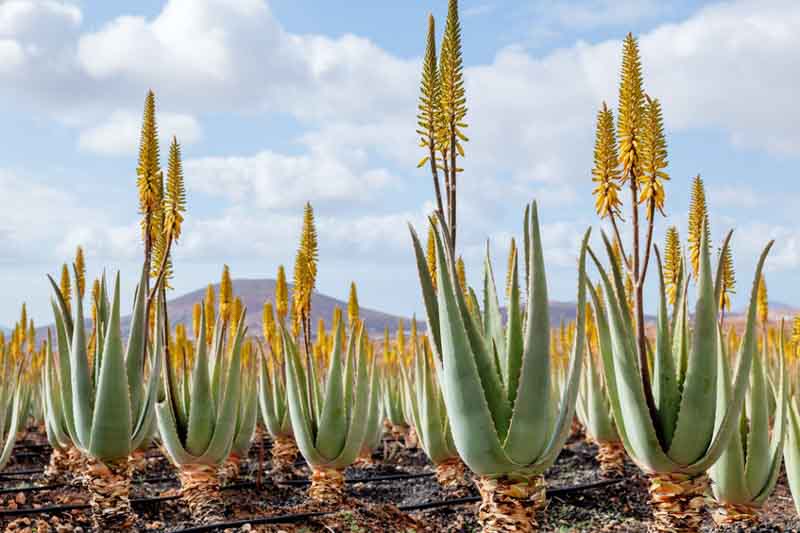
The plant forms a tidy rosette with long, narrow, blue-green to gray-green leaves edged by small, soft teeth. In bright light, particularly in winter, the leaves can flush pinkish to reddish, an attractive stress coloration rather than a disease. When happy, mature clumps send up branched stalks topped with tubular greenish-yellow flowers that hummingbirds and nectar-loving insects adore.
A compact rosette grows 1–2 feet tall and up to 3 feet wide with age. Leaves reach 12–18 inches, often glaucous from a protective bloom that reduces water loss. The plant produces offsets readily, forming colonies in time. Flowers can appear from late winter through summer, timing driven by daylength and light intensity.
Outdoors, Aloe vera thrives in frost-free climates (USDA 10–12). Brief dips just below 32°F (0°C) may mar leaves, but sustained freezes can kill the crown. In colder regions, grow in containers and bring indoors before nights fall below ~50°F (10°C).
This species excels in lean, fast-draining soils and tolerates drought and coastal conditions. Its succulent tissues store moisture for dry spells, a key reason it is so low maintenance. Salt-laden winds in mild coastal climates are generally not a problem if drainage is excellent.
Think of Aloe vera as equal parts attractive, useful, and easygoing. Here is why it earns a place on sunny windowsills and patios everywhere:
The aloe vera plant stores cooling, soothing aloe vera gel inside its leaves. Used correctly, it can comfort minor skin irritations, while the plant itself is a tough, low-care succulent. If you explore an aloe vera drink, choose inner-leaf, decolorized juices and follow product directions.
| Topical skin benefits | • Soothes minor burns and sun exposure • Calms temporary redness/irritation after shaving or waxing • Provides light, oil-free hydration; absorbs quickly • Comfortable feel on minor nicks and scrapes after cleansing |
|---|---|
| Oral care | • Aloe-containing gels and rinses can be soothing for gums and mouth irritation (use products formulated for oral care) |
| Hair & scalp | • Cooling pre-shampoo scalp mask for dryness/itch • Light leave-in on ends to tame frizz and add slip |
| Potential internal benefits* | • Inner-leaf, decolorized juices are marketed for gentle digestive support • Always avoid whole-leaf latex; it can be irritating. Choose reputable, labeled products. |
| Home & plant benefits | • Architectural, low-maintenance décor; easy offsets for gifting • Drought-wise choice for bright windows and xeric containers (easy aloe vera plant care) |
| How to use the gel | • Harvest mature outer leaves, drain yellow latex, rinse, and use only the clear inner gel • Refrigerate in a clean container up to 1 week; freeze in cubes for single-use portions |
| Safety at a glance | • Patch-test before first use; stop if irritation occurs • Keep away from pets; outer-leaf latex is toxic if ingested • For drinks, use inner-leaf products only; not for pregnancy/children unless advised by a professional |
Harvesting aloe vera gel at home is simple when you know the steps and safety tips. Choose mature outer leaves; these typically hold the most gel.
This sap contains aloin and other anthraquinones that can irritate skin and are not wanted in your gel.
Trim away the spiny margins.
Scoop out the gel with a spoon.
Avoid whipping in excess air.
For longer storage, freeze in ice-cube trays and thaw as needed for single-use portions.
An aloe vera drink is typically made from pasteurized, decolorized inner leaf juice, with laxative anthraquinones removed. Commercial producers control purity, microbial safety, and aloin content. If you are curious about beverages labeled as aloe vera drink, choose reputable brands, read labels carefully, and consult a professional if you are pregnant, nursing, managing a health condition, or taking medications. Whole-leaf extracts and products rich in latex are not the same as inner leaf juices.
Indoors, think bright and dry. Outdoors in warm zones, think sun and drainage.
Plant or repot in spring or early summer when warmth and light spur new roots.
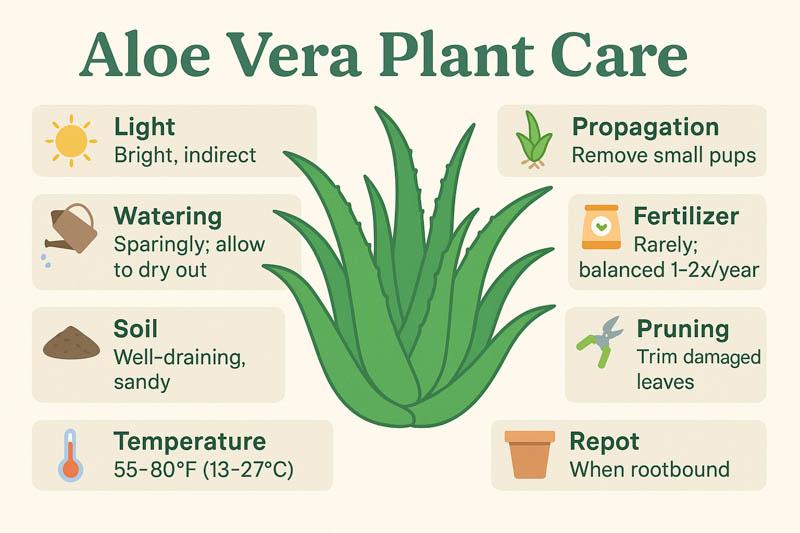
Good aloe vera plant care follows three rules: strong light, sharp drainage, and restraint with water and fertilizer.
| Season | Care Checklist |
|---|---|
| Spring | Repot if needed; begin light feeding; increase water as days lengthen. |
| Summer | Peak growth. Water when dry, rotate the pot monthly for even light, and provide airflow. |
| Autumn | Reduce watering frequency as light declines; bring outdoor pots in before nights cool. |
| Winter | Brightest window, minimal water, no feeding. Supplemental light helps keep rosettes tight. |
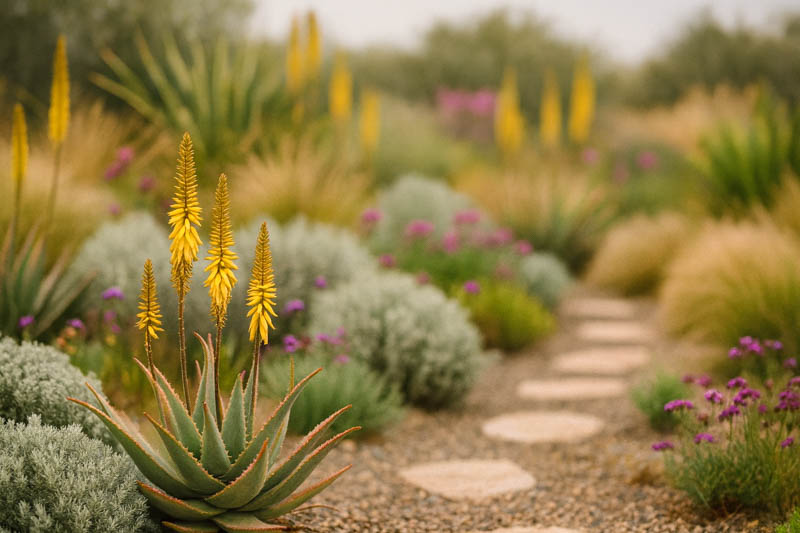
Aloe vera multiplies best by offsets. Leaf cuttings rarely root well and often rot before establishing. Here is the reliable path:
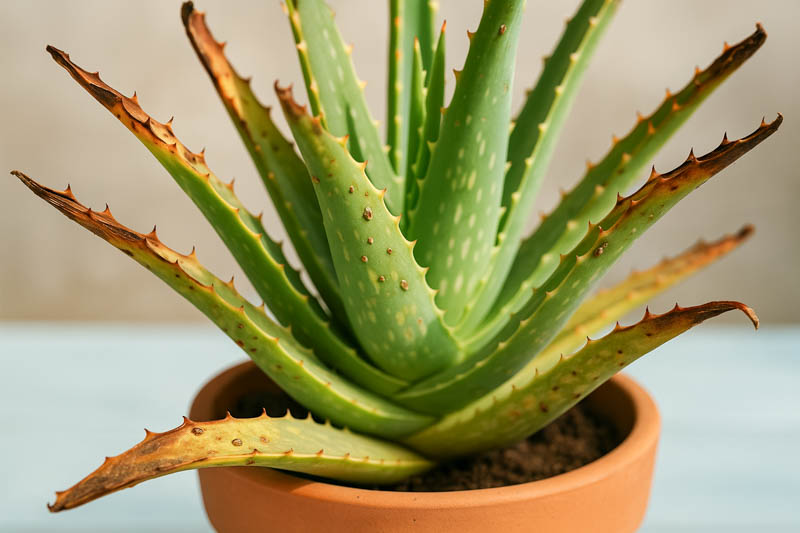
Healthy aloes in fast-draining media are rarely troubled. If issues show up, they are usually easy to solve.
Aloe vera is generally a low-maintenance plant that is resistant to many pests and diseases. However, there are a few issues that can affect your plant.
Aphids: These small, soft-bodied insects can infest the plants and cause distorted growth and yellowing of leaves. Aphids can be controlled by spraying the plant with a strong jet of water, using insecticidal soap, or introducing beneficial insects like ladybugs.
Mealybugs: These small, white, cotton-like insects can be found on the leaves and stems of the plant. They suck sap from the plant, leading to yellowing and wilting leaves. To control mealybugs, you can dab them with a cotton swab soaked in rubbing alcohol or spray them with insecticidal soap.
Scale insects: Scale insects are small, round, or oval-shaped pests that attach themselves to the plant and suck sap. They can cause yellowing and wilting of the leaves. To remove scale insects, you can scrape them off gently with a soft brush or toothbrush, apply rubbing alcohol with a cotton swab, or use an insecticidal soap or horticultural oil.
Spider mites: Spider mites are tiny, spider-like insects that can cause stippling and yellowing of leaves. They are more common in hot, dry conditions. To control spider mites, spray the plant with water, use insecticidal soap, or introduce predatory insects like ladybugs.
Root rot: Overwatering can lead to root rot, a fungal disease that causes the roots to turn brown, mushy, and decay. To prevent root rot, use well-draining soil and allow the soil to dry out between watering. If your plant is affected, remove it from the pot, trim away the affected roots, and repot it into fresh, well-draining soil.
Leaf spot: Caused by fungal or bacterial infections, leaf spot appears as small, dark spots on the leaves. To prevent leaf spot, avoid overhead watering and ensure good air circulation around your plant. If your plant is affected, remove the infected leaves and treat the plant with a fungicide or bactericide.
Aloe rust: Aloe rust is a fungal disease that causes rust-colored, raised spots on the leaves. It is more common in high-humidity environments. To control aloe rust, remove infected leaves, avoid overhead watering, and treat the plant with a fungicide.
By monitoring your plant for signs of pests and diseases and addressing any issues promptly, you can keep your plant healthy and thriving.
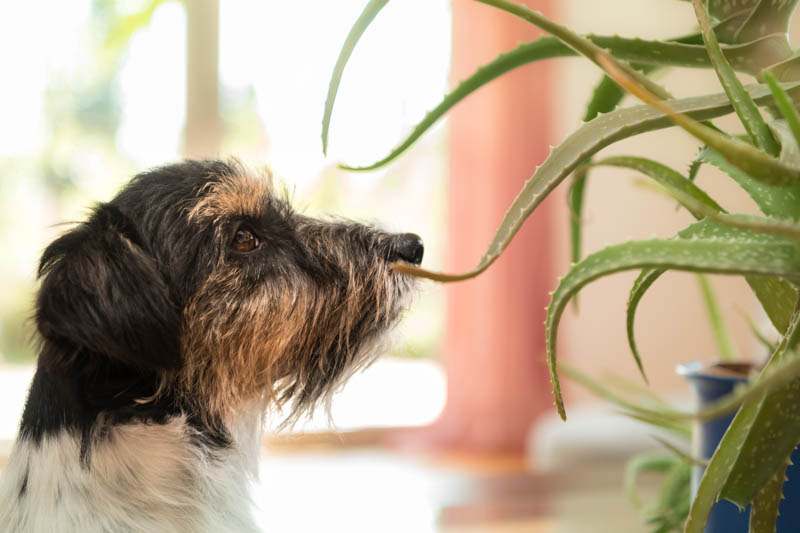
Aloe vera can be toxic to pets, particularly cats and dogs if ingested. The issue lies in the presence of a compound called saponins, which are found in the outer leaf of the plant. When consumed, saponins can cause symptoms like vomiting, diarrhea, lethargy, tremors, and, in severe cases, kidney issues or electrolyte imbalances.
| Leaf color & texture | Blue-green to gray-green, often with a light glaucous (powdery) bloom; firm, turgid leaves. Juveniles may show faint speckling. |
|---|---|
| Margins & teeth | Small, pale, evenly spaced “soft” teeth along the edges; tips not needle-sharp like many agaves. |
| Rosette (crown) structure | Tight, symmetrical rosette; inner leaves upright, outer leaves slightly arching. Crown firm—no wobble or gaps. |
| Offsets (pups) | Common around the base. Healthy pups have several leaves and visible roots when teased free. |
| Base / collar check | Look for a clean, firm base with no black mush, sour smell, or collapsing tissue (signs of rot). |
| Roots & potting mix | Thick, tan-to-orange roots in a gritty, fast-draining mix. Avoid peat-heavy soils and pots without drainage holes. |
| Flower (in season) | Tall stalk with tubular, usually yellow to greenish-yellow flowers (late winter–summer, light dependent). |
| Label & look-alikes | Ensure label says Aloe vera (syn. A. barbadensis). Hybrids may be speckled or red-edged; agaves & haworthias have stiffer/pointier textures. |
Gel is the clear inner pulp used topically on skin and hair. Juice for beverages is typically a filtered, decolorized inner leaf extract formulated as an aloe vera drink. Whole-leaf extracts that include latex are not the same and can be irritating. Always follow labeled guidance.
Water deeply, then wait until the top few inches of mix are dry. In bright indoor light, that usually means every 10–14 days in summer and every 3–4 weeks in winter. Frequency depends on light, pot size, and temperature.
Success is poor. Leaves tend to rot before they root. Divide offsets instead; pups establish quickly and predictably.
It needs more light. Move closer to a south or west window or add a grow light 12–18 inches above the rosette for 12–14 hours daily.
Do not let pets chew leaves. The latex can cause vomiting and diarrhea if ingested. Keep plants out of reach and clean up any broken pieces promptly.
Provide abundant light, allow a mild winter rest with cooler nights around 55–60°F (13–16°C), and avoid heavy feeding. Mature, sun-grown plants are most likely to send up a bloom spike.
While Aloe vera is generally safe for topical use, some people may experience side effects, such as skin irritation or an allergic reaction. If you notice any redness, itching, or swelling, discontinue use and consult your doctor. Aloe vera should not be consumed orally without proper guidance, as it can cause digestive issues, diarrhea, or even be toxic in some cases.
Yes, Aloe vera is beneficial for the face due to its soothing, hydrating, and anti-inflammatory properties. It can help to reduce redness, inflammation, and acne while providing moisture and promoting skin health. However, if you have sensitive skin, perform a patch test before applying Aloe vera to your face to ensure you don’t have an adverse reaction.
Yes, you can apply Aloe vera gel to your hair and scalp as a natural conditioner. It helps to moisturize, soothe irritation, and promote hair growth. To use Aloe vera in your hair, massage the gel directly into your scalp and hair, leave it in for about 30 minutes, and then rinse it out with water or shampoo.
Yes, aloe vera can grow outside in warm, frost free climates. Safest year round hardiness is USDA zones 10 to 12. Give it full sun to bright light, very well drained gritty soil, and deep but infrequent watering. Protect from cold winds and soggy soil. If you garden in zones 8 to 9, you can summer it outdoors in a pot and move it inside before nights near freezing. Acclimate to strong sun slowly and avoid overwatering.
A mature Aloe vera forms a compact rosette about 12 to 24 inches tall and 12 to 24 inches wide. In frost free ground, older clumps can spread to around 2 to 3 feet across via offsets. Flower spikes may rise 2 to 3 feet above the leaves. Container grown plants usually stay smaller.
Both, depending on climate. In frost free regions, Aloe vera thrives outdoors year round in sunny, well drained beds and containers. In colder areas, treat it as a houseplant in the brightest window using a cactus mix and a soak and dry watering rhythm. You can move it outside for summer, then bring it in before frost.
Few plants deliver so much for so little effort. The aloe vera plant is sculptural, resilient, and generous with offsets. With bright light, quick drainage, and modest water, aloe vera plant care is almost foolproof. Harvest the inner aloe vera gel for everyday skin comfort, enjoy the seasonal bloom spikes if you are lucky, and consider a carefully sourced aloe vera drink only from reputable producers if that interests you. Whether you grow one on a windowsill or create a whole family of pups, you will quickly understand why this ancient succulent remains a modern essential in homes and gardens around the world.
| Hardiness |
10 - 12 |
|---|---|
| Heat Zones |
10 - 11 |
| Climate Zones | 8, 9, 12, 13, 14, 15, 16, 17, 18, 19, 20, 21, 22, 23, 24, H1, H2 |
| Plant Type | Houseplants, Cactus & Succulents |
| Plant Family | Xanthorrhoeaceae |
| Genus | Aloe |
| Common names | Aloe, Aloe vera |
| Exposure | Full Sun |
| Season of Interest | Spring (Early, Mid, Late), Summer (Early, Mid, Late), Fall, Winter |
| Height | 1' - 2' (30cm - 60cm) |
| Spread | 2' - 3' (60cm - 90cm) |
| Spacing | 36" (90cm) |
| Maintenance | Low |
| Water Needs | Low, Average |
| Soil Type | Loam, Sand |
| Soil pH | Acid, Alkaline, Neutral |
| Soil Drainage | Well-Drained |
| Characteristics | Plant of Merit, Showy, Evergreen |
| Tolerances | Drought, Deer, Salt, Heat, Fire |
| Attracts | Bees, Birds, Butterflies, Hummingbirds |
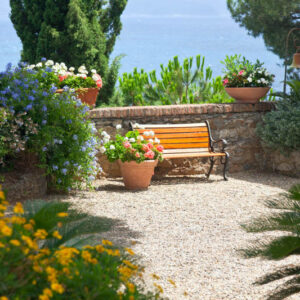
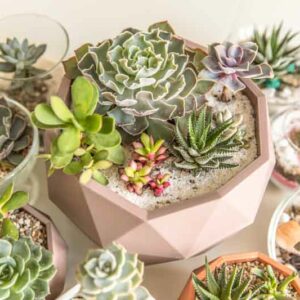
| Garden Uses | Beds And Borders, Ground Covers, Hedges And Screens, Patio And Containers |
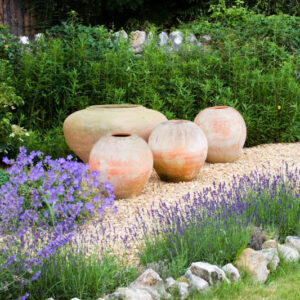
| Garden Styles | Coastal Garden, Gravel and Rock Garden, Informal and Cottage, Mediterranean Garden |
| Toxic to Humans | Low severity |
| Toxic to Cats | Toxic |
| Toxic to Dogs | Toxic |
| Toxic to Horses | Toxic |


| Hardiness |
10 - 12 |
|---|---|
| Heat Zones |
10 - 11 |
| Climate Zones | 8, 9, 12, 13, 14, 15, 16, 17, 18, 19, 20, 21, 22, 23, 24, H1, H2 |
| Plant Type | Houseplants, Cactus & Succulents |
| Plant Family | Xanthorrhoeaceae |
| Genus | Aloe |
| Common names | Aloe, Aloe vera |
| Exposure | Full Sun |
| Season of Interest | Spring (Early, Mid, Late), Summer (Early, Mid, Late), Fall, Winter |
| Height | 1' - 2' (30cm - 60cm) |
| Spread | 2' - 3' (60cm - 90cm) |
| Spacing | 36" (90cm) |
| Maintenance | Low |
| Water Needs | Low, Average |
| Soil Type | Loam, Sand |
| Soil pH | Acid, Alkaline, Neutral |
| Soil Drainage | Well-Drained |
| Characteristics | Plant of Merit, Showy, Evergreen |
| Tolerances | Drought, Deer, Salt, Heat, Fire |
| Attracts | Bees, Birds, Butterflies, Hummingbirds |
| Garden Uses | Beds And Borders, Ground Covers, Hedges And Screens, Patio And Containers |
| Garden Styles | Coastal Garden, Gravel and Rock Garden, Informal and Cottage, Mediterranean Garden |
| Toxic to Humans | Low severity |
| Toxic to Cats | Toxic |
| Toxic to Dogs | Toxic |
| Toxic to Horses | Toxic |
How many Aloe vera (Barbados Aloe) do I need for my garden?
| Plant | Quantity | |
|---|---|---|
| Aloe vera (Barbados Aloe) | N/A | Buy Plants |
Create a membership account to save your garden designs and to view them on any device.
Becoming a contributing member of Gardenia is easy and can be done in just a few minutes. If you provide us with your name, email address and the payment of a modest $25 annual membership fee, you will become a full member, enabling you to design and save up to 25 of your garden design ideas.
Join now and start creating your dream garden!
Create a membership account to save your garden designs and to view them on any device.
Becoming a contributing member of Gardenia is easy and can be done in just a few minutes. If you provide us with your name, email address and the payment of a modest $25 annual membership fee, you will become a full member, enabling you to design and save up to 25 of your garden design ideas.
Join now and start creating your dream garden!