Discover common issues that can affect your Forsythia shrub's health. Identifying and addressing these problems promptly will help you ensure vibrant growth and a thriving garden landscape.


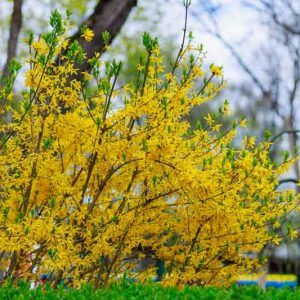
Forsythia, with its vibrant yellow blooms, is a springtime favorite. However, sometimes, the shrub exhibits signs of stress. If your Forsythia isn’t thriving, consider these common issues:
To revive your Forsythia, diagnose the specific issue, then address it directly, whether through adjusted care, pest control, or disease treatment.

| Hardiness |
5 - 9 |
|---|---|
| Climate Zones | 2, 2B, 3, 3A, 3B, 4, 5, 6, 7, 8, 9, 10, 11, 14, 15, 16, 18, 19, A2, A3 |
| Plant Type | Shrubs |
| Genus | Forsythia |
| Exposure | Full Sun, Partial Sun |
| Season of Interest | Spring (Early, Mid) |
| Maintenance | Low |
| Water Needs | Average |
| Soil Type | Chalk, Clay, Loam, Sand |
| Soil pH | Acid, Alkaline, Neutral |
| Soil Drainage | Moist but Well-Drained |
| Characteristics | Showy, Cut Flowers |
| Tolerances | Deer, Clay Soil |
| Attracts | Bees, Birds |
| Landscaping Ideas | Banks And Slopes, Beds And Borders, Hedges And Screens, Patio And Containers, Wall-Side Borders |
| Garden Styles | City and Courtyard, Coastal Garden, Informal and Cottage, Traditional Garden |
| Hardiness |
5 - 9 |
|---|---|
| Climate Zones | 2, 2B, 3, 3A, 3B, 4, 5, 6, 7, 8, 9, 10, 11, 14, 15, 16, 18, 19, A2, A3 |
| Plant Type | Shrubs |
| Genus | Forsythia |
| Exposure | Full Sun, Partial Sun |
| Season of Interest | Spring (Early, Mid) |
| Maintenance | Low |
| Water Needs | Average |
| Soil Type | Chalk, Clay, Loam, Sand |
| Soil pH | Acid, Alkaline, Neutral |
| Soil Drainage | Moist but Well-Drained |
| Characteristics | Showy, Cut Flowers |
| Tolerances | Deer, Clay Soil |
| Attracts | Bees, Birds |
| Landscaping Ideas | Banks And Slopes, Beds And Borders, Hedges And Screens, Patio And Containers, Wall-Side Borders |
| Garden Styles | City and Courtyard, Coastal Garden, Informal and Cottage, Traditional Garden |
Create a membership account to save your garden designs and to view them on any device.
Becoming a contributing member of Gardenia is easy and can be done in just a few minutes. If you provide us with your name, email address and the payment of a modest $25 annual membership fee, you will become a full member, enabling you to design and save up to 25 of your garden design ideas.
Join now and start creating your dream garden!