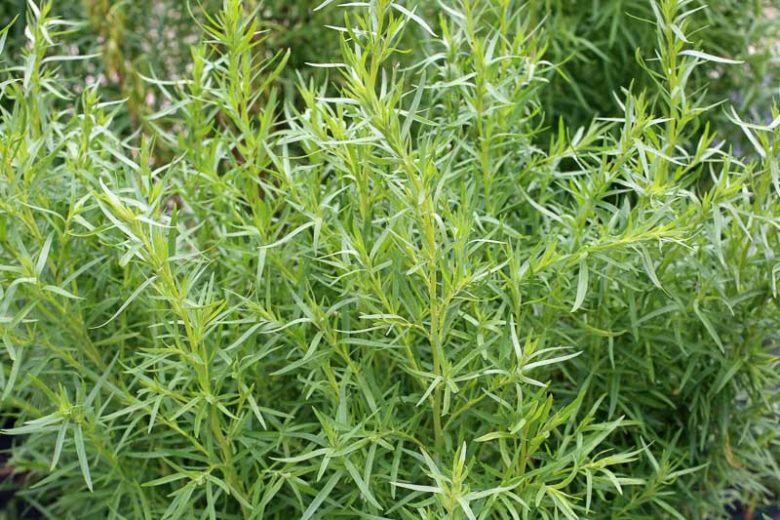
Tarragon
Tarragon may be one of the lesser-known herbs, but it’s full of personality, rich history, and unique culinary charm. Here are some fun and fascinating facts about this flavorful plant.
The “King of Herbs” in France: Tarragon is a star in French cuisine and one of the four essential “fines herbes,” along with parsley, chives, and chervil. It’s a key ingredient in Béarnaise sauce and classic French dressings.
Licorice-Like Flavor: Tarragon has a distinctive taste—mildly sweet with a hint of anise or licorice. This makes it a favorite for flavoring chicken, fish, vinegar, and egg dishes.
Not All Tarragon Is the Same: There are two main culinary types: French tarragon (Artemisia dracunculus var. sativa) and Russian tarragon (Artemisia dracunculoides). French tarragon has the best flavor but rarely produces viable seeds, while Russian tarragon is hardier but more bitter.
The “Little Dragon” Herb: The name “tarragon” comes from the Latin word “dracunculus,” meaning “little dragon.” This refers to the plant’s coiled roots and perhaps its bold flavor.
A Digestive Aid: Tarragon has been used traditionally to stimulate appetite and aid digestion. In herbal medicine, it was also believed to relieve toothaches and promote restful sleep.
A Natural Flavoring Agent: Before modern sodas, tarragon was used to flavor drinks. In Russia and neighboring countries, a bright green tarragon soda called Tarkhuna is still popular today.
A Garden Gem: Tarragon is not only useful but also attractive, with slender green leaves and a bushy form that complements herb borders and container gardens.
Whether in the kitchen or garden, tarragon brings a unique twist that’s worth exploring.