Kiwi
Think you know kiwi? From bite-size, smooth-skinned kiwiberries to fuzzy classics and even vines with pink-splashed leaves, the Actinidia clan is full of surprises. Here are quick, juicy facts you can drop at your next garden chat.
Berry surprise: Botanically, kiwifruit are true berries packed with tiny edible seeds.
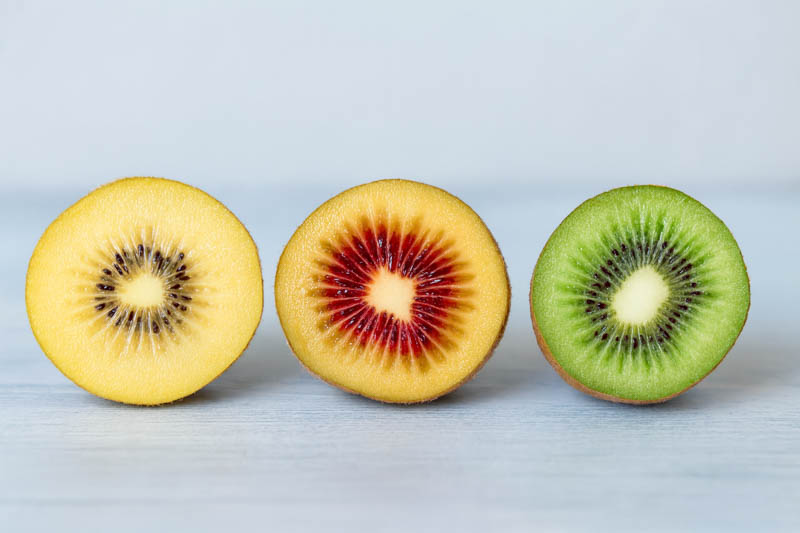
Cast of characters: The famous green store kiwi is Actinidia deliciosa; the honey-sweet gold type is A. chinensis; cold-tough kiwiberries are A. arguta.
No peel needed: Hardy kiwiberries have smooth, tender skins—pop them like grapes.
Gold rush: Golden kiwi is naturally lower-acid with bronzy, often smoother skin and sunny flesh.
Fuzzy classic: Green kiwi brings that tart-sweet zing and the iconic fuzzy coat.
Foliage fireworks: A. kolomikta paints leaves with pink and white, while A. polygama frosts them silver.
Name game: Kiwis were once called “Chinese gooseberries” before New Zealand growers rebranded them for export.
Two to tango: Most vines are dioecious—separate male and female plants. Plan one male for six to eight females and match bloom timing.
Vine athletes: Actinidia are vigorous climbers. Give them a stout trellis, T-bar, or pergola and they will cover it in a hurry.
Late bloomers: Flowers open in late spring, helping dodge the worst frosts in many regions.
Countertop ripening: Many kiwis finish ripening off the vine. A paper bag with an apple or banana speeds things along.
Kitchen trick: Kiwi’s natural enzyme, actinidin, tenderizes meat and can keep gelatin from setting—great for marinades, tricky for jello.
Skin wins: The skin is edible when clean; it adds fiber and a mild, tangy bite.
Climate lanes: A. arguta thrives in colder zones, A. deliciosa in temperate areas, and A. chinensis where seasons run long and warm.
Ready to grow, taste, or simply admire?