Black Walnut
Black walnuts (Juglans nigra) are the bold, wild cousins of the more familiar English walnut, and they’ve got a personality all their own. Native to eastern North America, these trees are known for their rich-flavored nuts, super-strong wood, and, let’s be honest, their slightly dramatic behavior in the garden.
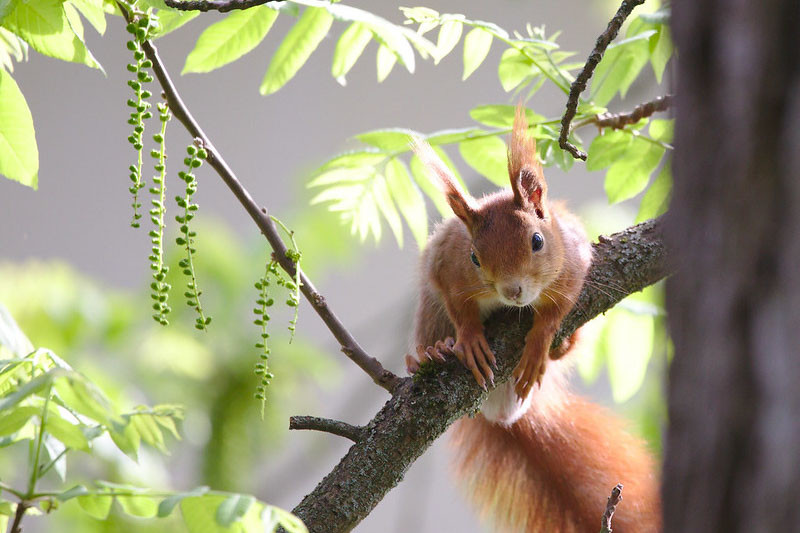
Unlike their smoother-shelled relatives, black walnuts grow in thick, rugged shells that are famously tough to crack. But inside? You’ll find a nut that’s deep, earthy, and almost smoky—perfect for baking, trail mixes, or just snacking like a squirrel.
The wood of the black walnut tree is also legendary. Dark, durable, and beautiful, it’s a favorite among woodworkers and furniture makers. If you’ve ever seen a high-end dining table with that gorgeous chocolate-brown grain—there’s a good chance it came from one of these trees.
Black walnuts aren’t always the best neighbors, though. They produce a natural chemical called juglone, which can prevent some other plants from growing nearby. Azaleas, blueberries, peonies, tomatoes, and even pecan trees might struggle if they get too close. But if you give them their space, black walnuts are majestic, wildlife-friendly additions to large landscapes.
They’re also a bit of a forager’s favorite. The nuts are usually harvested in fall, after dropping from the tree inside a green husk that stains like crazy—so gloves are a must!
Want to learn more about growing, eating, and enjoying walnuts of all kinds? Check out this full guide: Walnuts: How to Grow, Eat, and Love Them.