Anise
Looking to spice up your herb knowledge? Let’s talk about anise—not to be confused with star anise! Though both share a similar sweet, licorice-like flavor, they come from totally different plant families and look nothing alike.
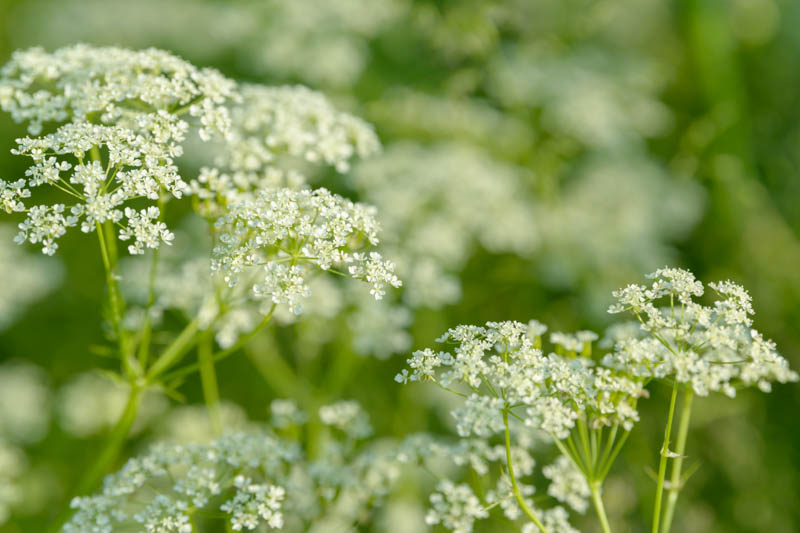
Anise (Pimpinella anisum) is a delicate annual herb with feathery green foliage and umbrella-shaped clusters of tiny white flowers. It belongs to the same botanical family as chervil, celery, carrot, lovage, and parsley. If it reminds you of dill or fennel, you’re not wrong—they’re all cousins!
Historically, anise has been used for more than just cooking. Ancient Egyptians, Greeks, and Romans prized it for its digestive benefits and even believed it could ward off bad dreams. In medieval Europe, it was so valued that it was taxed as a luxury spice.
Anise seeds are a key flavor in liqueurs like ouzo, sambuca, and absinthe, and are a must-have in Mediterranean and Middle Eastern baked goods. Ever tried anise cookies during the holidays? That distinctive sweet-spicy punch is unforgettable.
In the garden, anise doesn’t just please your taste buds—it also draws beneficial pollinators like bees and hoverflies. It’s a fragrant, functional addition to herb beds and cottage gardens.
So next time you reach for those tiny, crescent-shaped seeds, remember you’re holding a piece of plant history—flavorful, fragrant, and full of charm!