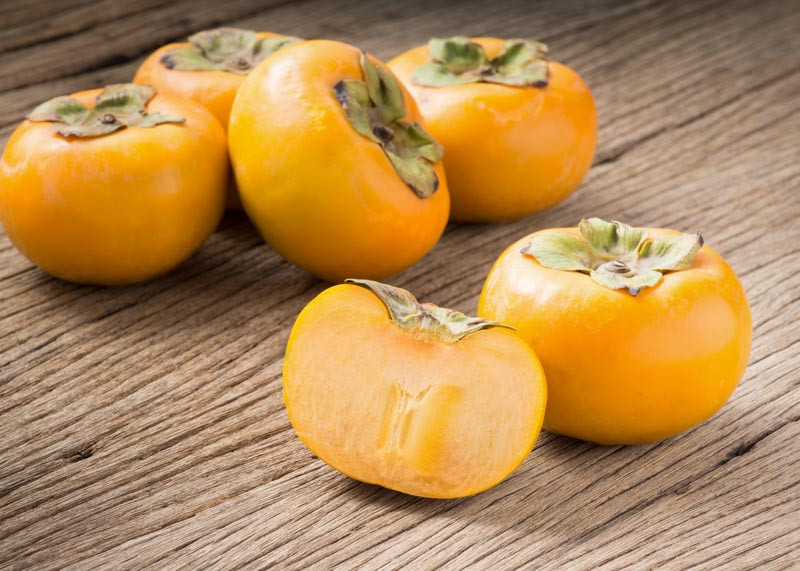
American Persimmon
Meet the rugged native cousin of the kaki: American persimmon (Diospyros virginiana). Where the Japanese species Diospyros kaki dazzles markets, America’s wild persimmon quietly steals hearts in fencerows, wood edges, and old homesteads from the Midwest to the Southeast.
Cold hardy and tough: Many trees shrug off winter in Zones 4 to 9, thrive in average soils, and become drought tolerant once established. The secret to peak sweetness is patience. Astringent when firm, fruit turns silky and candy-sweet when fully soft, often after a light frost. Old-timers call that magical stage “bletting.”
Dioecious details: Trees are typically male or female. Plant a known female cultivar for reliable crops; a nearby male can boost yield and seed set. Many named females still set some seedless fruit. Common garden selections include Prok, Yates, and Meader.
Flavor notes: Imagine caramel, dates, and apricot with a whisper of spice. Scoop the jelly-soft pulp and you have instant dessert starter. Classic persimmon bread and pudding owe their fame to this fruit’s custardy texture and natural sweetness.
Ripening cue: Wait until fruits feel like water balloons and the skin looks translucent. Too soon equals tongue-drying tannins.
Wildlife magnet: Deer, foxes, raccoons, birds, and opossums line up for windfalls. Net or pick early if you want your share.
Heritage wood: American persimmon heartwood is famously hard; historically, it found its way into tool handles and old golf club heads.
Kitchen tricks: Press pulp through a sieve to remove seeds. Freeze in small portions for smoothies, quick breads, and sauces.
Curious how it compares with Japanese types? Non-astringent Fuyu and compact Jiro are crisp when firm, while Hachiya and Saijo turn spoon-soft. Explore the wellness perks here: persimmon health benefits, and compare cultivars with this overview: Fuyu, Hachiya, Saijo and more.
Plant an American persimmon for blazing fall color, low-fuss care, and a harvest that tastes like sunshine on a chilly day.