Garden Speedwell Skyward™ Pink, Long-Leaved Speedwell Skyward™ Pink, Beach Speedwell Skyward™ Pink, Veronica longifolia 'Balskywink'
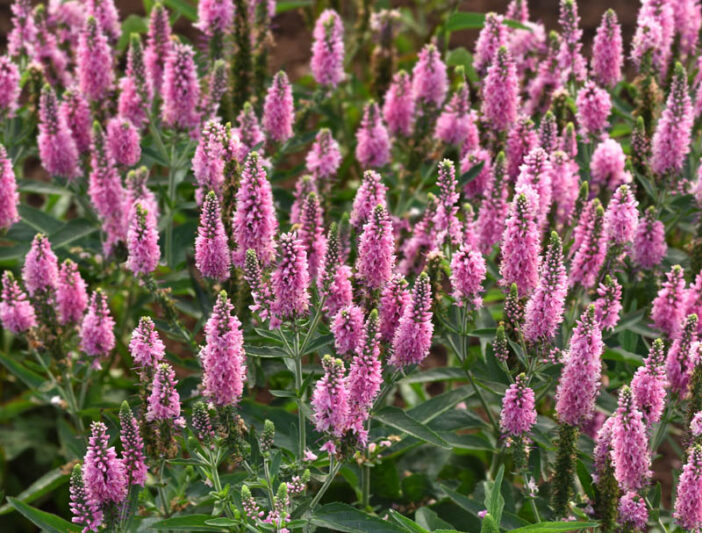


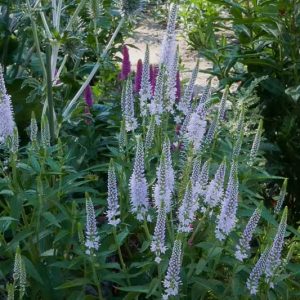
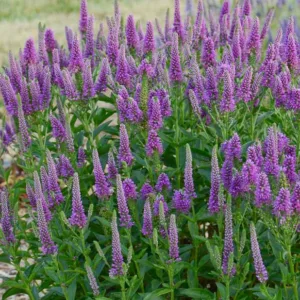
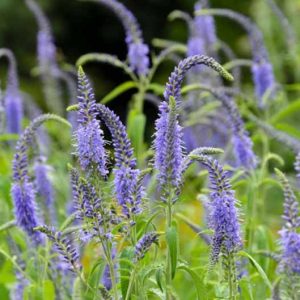
Imagine a flutter of pale-pink spires, like miniature fireworks frozen in bloom, floating above neat green mounds from late spring through summer. Bees and butterflies dart from flower to flower as each new flush brings effortless grace to your sunny border or container. That’s the fresh appeal of Veronica longifolia Skyward™ Pink—a perennial speedwell bred for reliable color, strong form, and a steady pollinator buzz.
Skyward™ Pink is a recent standout from breeding work focused on garden-worthy Veronica with strong vertical presence, clean foliage, and repeat flowering. By crossing garden performers with wild long-leaf speedwells (V. longifolia), breeders selected for thicker, self-supporting stems and a clear, true pink flower color. Marketed as Skyward™ Pink and registered as Veronica longifolia ‘Balskywink’ (PP34,890), it delivers a “salvia-for-sun” effect with easy care.
| Botanical Name | Veronica longifolia ‘Balskywink’ (Skyward™ Pink) — PP34,890 |
| Common Name | Long-Leaf Speedwell, Skyward™ Pink Veronica |
| Plant Type | Herbaceous perennial |
| Hardiness Zones | USDA 4b–9a (to about −20°F / −29°C) |
| Height & Spread | 14–18 in. tall and wide (35–45 cm) |
| Bloom Time | Late spring through summer; reblooms with deadheading |
| Flower Color | Clear, true pink on dense upright spikes |
| Wildlife | Attracts bees & butterflies; deer resistant |
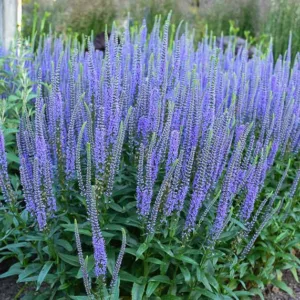
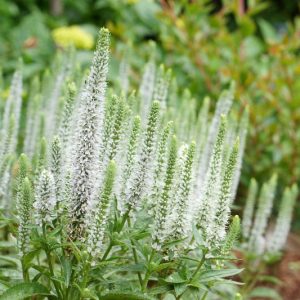
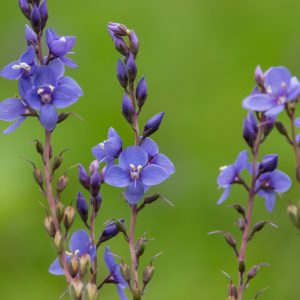
Skyward™ Pink forms bushy, well-branched clumps with long, narrow, lance-shaped leaves. Stout, self-supporting stems carry clouds of upright, candle-like flower spikes packed with soft pink blooms from base to tip. With regular deadheading, fresh spikes keep the display going for weeks on end.
Ancestor species Veronica longifolia is native to Europe and northern Asia—often found in sunny meadows, riversides, and open field margins. In gardens, Skyward™ Pink captures that meadowside energy with hybrid polish, embracing a wide range of soils when drainage is sound.
An upright, clump-forming perennial that builds a rounded mound of leafy shoots, each topped by one or more vertical spires. Plants hold their shape and resist flopping, even through summer weather.
Expect 14–18 inches (35–45 cm) in height (flowers included) and spread—compact and tidy for mid-border placement, path edges, or patio containers.
Densely packed, true-pink spikes appear from late spring and continue through summer with deadheading. Each spike reads clearly at a distance, creating a rhythmic vertical accent through the planting.
Narrow, bright-green leaves form a clean, upright mound that contrasts beautifully with the vertical blooms. Selected for good foliage quality and garden staying power.
The nectar-rich flowers draw bees and butterflies throughout the warm months, supporting pollinators when many borders begin to flag.
Foliage is generally unpalatable to deer and is rarely bothered by rabbits—an easy choice for wildlife-prone sites.
After establishment, plants tolerate typical summer dry spells; consistent moisture yields the fullest bloom cycles.
No toxicity reported in ornamental use; suitable for family gardens.
A well-behaved clump-former that expands slowly and stays where you plant it.
Full sun (6–8 hours) is best for compact growth and abundant spikes. Very light shade is tolerated but may reduce bloom.
Moist, well-drained soil preferred. Adapts to loam, sandy mixes, or light clay provided drainage is good.
Water deeply to establish. Once rooted, supplement during extended dry periods for continuous flowering.
A spring top-dressing of compost is usually sufficient. Avoid heavy feeding, which can encourage lax growth.
Deadhead spent spikes just above new side shoots to encourage rebloom. Cut old stems to the base in late fall or early spring.
Excellent in patio pots—use a well-drained mix and pair with silver foliage or blue flowers for contrast.
No special protection needed in most climates. In colder areas, a thin mulch of leaf mold helps protect crowns.
About 14–18 in. tall and wide—compact, upright, and showy.
Yes—deadheading encourages successive flushes from late spring through summer (often into early fall).
Excellent. Bees and butterflies visit readily throughout its bloom window.
Rarely. It’s considered deer resistant and usually ignored by rabbits.
Very little—sun, drainage, and occasional deadheading are the keys.
Absolutely. Use a well-drained potting mix and full sun for best performance.
Final tip: For low-stress, high-impact summer color, give Veronica longifolia Skyward™ Pink a sunny patch with good drainage, deadhead for waves of new bloom, and enjoy vertical pink accents and happy pollinators for months.
| Hardiness |
4 - 9 |
|---|---|
| Heat Zones |
1 - 8 |
| Plant Type | Perennials |
| Plant Family | Plantaginaceae |
| Genus | Veronica |
| Exposure | Full Sun, Partial Sun |
| Season of Interest | Spring (Late), Summer (Early, Mid, Late) |
| Height | 1' - 2' (30cm - 60cm) |
| Spread | 1' - 2' (30cm - 60cm) |
| Spacing | 15" - 18" (40cm - 50cm) |
| Maintenance | Low |
| Water Needs | Average |
| Soil Type | Loam |
| Soil pH | Acid, Alkaline, Neutral |
| Soil Drainage | Moist but Well-Drained, Well-Drained |
| Characteristics | Cut Flowers, Showy |
| Tolerances | Deer, Rabbit, Heat, Fire |
| Attracts | Bees, Butterflies |
| Garden Uses | Beds And Borders, Patio And Containers |
| Garden Styles | Cutting Garden, Gravel and Rock Garden, Informal and Cottage |
| Toxic to Humans | No known toxicity |
| Toxic to Cats | No known toxicity |
| Toxic to Dogs | No known toxicity |
| Toxic to Horses | No known toxicity |


| Hardiness |
4 - 9 |
|---|---|
| Heat Zones |
1 - 8 |
| Plant Type | Perennials |
| Plant Family | Plantaginaceae |
| Genus | Veronica |
| Exposure | Full Sun, Partial Sun |
| Season of Interest | Spring (Late), Summer (Early, Mid, Late) |
| Height | 1' - 2' (30cm - 60cm) |
| Spread | 1' - 2' (30cm - 60cm) |
| Spacing | 15" - 18" (40cm - 50cm) |
| Maintenance | Low |
| Water Needs | Average |
| Soil Type | Loam |
| Soil pH | Acid, Alkaline, Neutral |
| Soil Drainage | Moist but Well-Drained, Well-Drained |
| Characteristics | Cut Flowers, Showy |
| Tolerances | Deer, Rabbit, Heat, Fire |
| Attracts | Bees, Butterflies |
| Garden Uses | Beds And Borders, Patio And Containers |
| Garden Styles | Cutting Garden, Gravel and Rock Garden, Informal and Cottage |
| Toxic to Humans | No known toxicity |
| Toxic to Cats | No known toxicity |
| Toxic to Dogs | No known toxicity |
| Toxic to Horses | No known toxicity |
How many Veronica longifolia Skyward™ Pink (Garden Speedwell) do I need for my garden?
| Plant | Quantity | |
|---|---|---|
| Veronica longifolia Skyward™ Pink (Garden Speedwell) | N/A | Buy Plants |
Create a membership account to save your garden designs and to view them on any device.
Becoming a contributing member of Gardenia is easy and can be done in just a few minutes. If you provide us with your name, email address and the payment of a modest $25 annual membership fee, you will become a full member, enabling you to design and save up to 25 of your garden design ideas.
Join now and start creating your dream garden!
Create a membership account to save your garden designs and to view them on any device.
Becoming a contributing member of Gardenia is easy and can be done in just a few minutes. If you provide us with your name, email address and the payment of a modest $25 annual membership fee, you will become a full member, enabling you to design and save up to 25 of your garden design ideas.
Join now and start creating your dream garden!