Great Burnet 'Blackthorn', Greater Burnet 'Blackthorn', Greater Salad Burnet 'Blackthorn', Burnet Bloodwort 'Blackthorn', Sanguisorba 'Blackthorn'
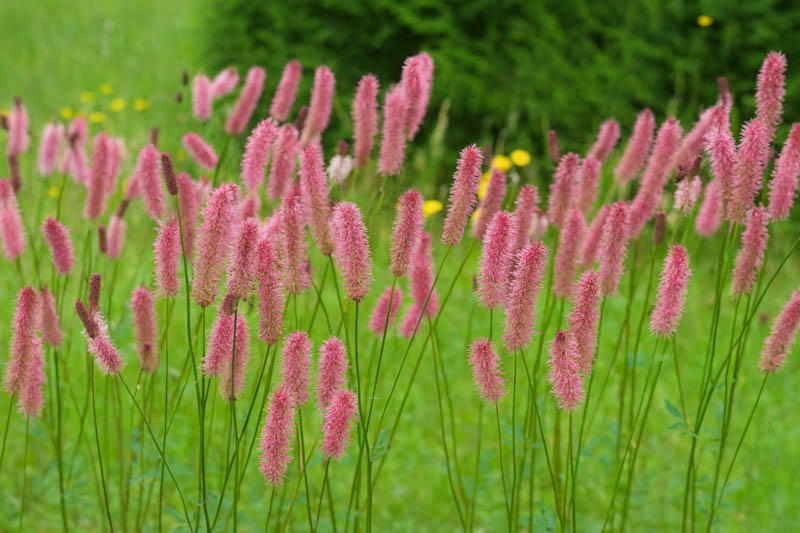


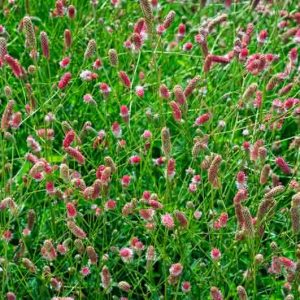
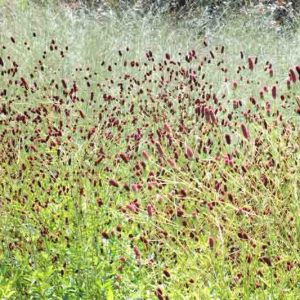
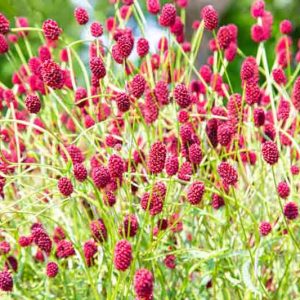
Imagine strolling through your late-summer border. Slender bottlebrushes—deep claret-purple that read near-black at a distance—rise and sway above clouds of airy, blue-green foliage. As the weeks pass, the dark spikes soften toward rosy-pink, while bees and butterflies float from bloom to bloom. With Sanguisorba officinalis ‘Blackthorn’—Great Burnet in its velvet tuxedo—your garden gains movement, contrast, and grace from midsummer to autumn with minimal fuss.
Sanguisorba officinalis (Great Burnet) is native to moist meadows and grasslands across Eurasia. The garden selection ‘Blackthorn’, widely associated with the UK nursery trade, was chosen for its notably slim, dark flower heads and refined, upright habit that suits modern naturalistic borders. Designers value its architectural silhouette paired with a light, “floaty” presence.
| Botanical Name | Sanguisorba officinalis ‘Blackthorn’ (syn. older texts: Poterium officinale) |
| Common Names | Great Burnet, Blackthorn Burnet |
| Plant Type | Herbaceous perennial (clump-forming) |
| Native Range | Eurasia (meadows, river margins, damp grasslands) |
| Hardiness Zones | USDA 4–8 |
| Height & Spread | 36–60 in. tall × 18–24 in. wide (90–150 × 45–60 cm); occasionally taller in rich, moist soils |
| Bloom Time | Midsummer to early autumn |
| Flower Color & Size | Deep claret-purple (reads near-black), aging to rosy-pink; bottlebrush heads to ~2 in. (5 cm) |
| Sun Requirements | Full sun to partial shade |
| Soil / Moisture | Fertile, well-drained soil; prefers moist, not waterlogged conditions |
| Wildlife | Attracts bees, butterflies, hoverflies; seedheads add winter interest and may be visited by finches |
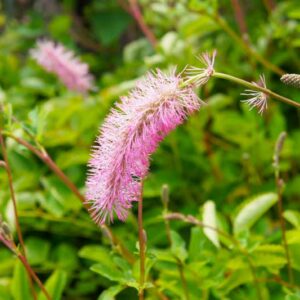
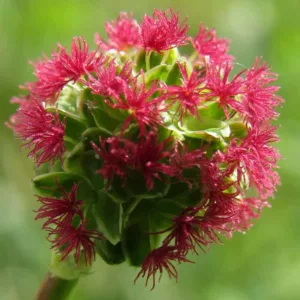
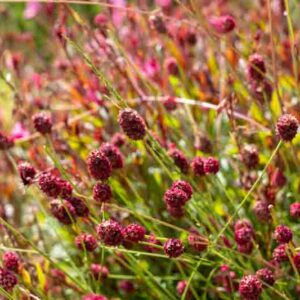
‘Blackthorn’ forms upright clumps of elegant, pinnate blue-green foliage that read as feathery and light. From midsummer, wiry stems carry slim bottlebrush flowers in deep claret-purple that can appear almost black in mass. As stamens extend, the effect softens toward rosy-pink, so a single plant often shows multiple tones at once. The overall look is refined yet dynamic—never heavy or static.
Ancestor species thrive in Eurasian meadows and river margins, where soils stay evenly moist. In gardens, ‘Blackthorn’ adapts well to average borders provided it gets sun and consistent moisture, with good drainage to prevent waterlogging.
This clump-forming perennial carries its bloom wands on sturdy, slender stems (typically 3–5 ft / 90–150 cm). The basal foliage remains neat, allowing the flowers to weave gracefully through nearby perennials and ornamental grasses.
Expect 36–60 in. (90–150 cm) in height and 18–24 in. (45–60 cm) in spread. In richer soils with steady moisture, occasional stems may reach to ~6 ft (1.8 m). Plants enlarge politely over time without running.
Signature, slim bottlebrush spikes (to ~2 in. / 5 cm) emerge deep claret-purple/black-purple and age toward rosy-pink. Blooming continues from midsummer to fall, especially with periodic cutting for vases or removal of spent spikes.
Soft, pinnate leaves are a cool blue-green, offering a delicate, fern-like texture that pairs beautifully with bold leaves and fine grasses. Foliage generally stays fresh and clean into autumn.
Expect steady visits from native bees, honeybees, butterflies, and hoverflies. Seedheads provide winter texture and may offer incidental food for finches and small birds. Lacy foliage fosters habitat for beneficial insects.
While no plant is truly “deer-proof,” ‘Blackthorn’ is rarely browsed thanks to its texture and astringent sap.
Best with even moisture. Once established, it tolerates brief dry spells, but prolonged drought reduces flowering. Avoid sites that remain saturated for long periods.
No known toxicity to people, pets, or livestock. As with all ornamentals, discourage nibbling.
Not invasive. Clumps expand slowly and may self-seed modestly. Seedlings are easily edited if you prefer strict lines.
Full sun (6+ hours) is ideal; partial shade is fine in hotter climates.
Fertile, well-drained soil that holds moist, not waterlogged conditions. Improve thin or fast-draining soils with compost.
Water to establish, then maintain steady, moderate moisture. Deep, occasional soakings in summer beat frequent, shallow watering.
A spring mulch of compost is typically enough. Overfeeding encourages foliage at the expense of flowers.
Deadhead for extended display or cut stems for arrangements. Shear to the base in late fall or early spring before new growth.
Can be grown in large containers with loam-based compost. Keep evenly moist and shaded from extreme afternoon heat.
Fully hardy in zones 4–8. Mulch first-year plantings lightly in late autumn to buffer freeze–thaw.
Typically 3–5 ft (90–150 cm); occasionally taller in rich, moist soils.
Lightly. Seedlings are easy to recognize and remove if not desired.
Not absolute, but it’s seldom browsed.
Usually upright. In shade or very rich soils, discreet staking or cutting for bouquets keeps clumps tidy.
Yes—fresh and dried spikes add unusual color and movement to arrangements.
Yes—use a large, deep container, keep evenly moist, and shelter from extreme heat.
Final tip: Thread Sanguisorba officinalis ‘Blackthorn’ through ornamental grasses and pale perennials, plant in drifts of 3–5, and let the dark bottlebrushes sway—an effortless blend of wild and chic, all season long.
| Hardiness |
4 - 8 |
|---|---|
| Heat Zones |
3 - 8 |
| Plant Type | Perennials |
| Plant Family | Rosaceae |
| Genus | Sanguisorba |
| Common names | Burnet |
| Exposure | Full Sun |
| Season of Interest | Summer (Mid, Late), Fall |
| Height | 3' - 5' (90cm - 150cm) |
| Spread | 1' - 2' (30cm - 60cm) |
| Spacing | 24" (60cm) |
| Maintenance | Low |
| Water Needs | Average |
| Soil Type | Chalk, Clay, Loam, Sand |
| Soil pH | Acid, Alkaline, Neutral |
| Soil Drainage | Moist but Well-Drained |
| Characteristics | Cut Flowers, Showy |
| Tolerances | Deer, Rabbit, Heat |
| Garden Uses | Beds And Borders |
| Garden Styles | Informal and Cottage, Prairie and Meadow |
| Toxic to Humans | No known toxicity |
| Toxic to Cats | No known toxicity |
| Toxic to Dogs | No known toxicity |
| Toxic to Horses | No known toxicity |


| Hardiness |
4 - 8 |
|---|---|
| Heat Zones |
3 - 8 |
| Plant Type | Perennials |
| Plant Family | Rosaceae |
| Genus | Sanguisorba |
| Common names | Burnet |
| Exposure | Full Sun |
| Season of Interest | Summer (Mid, Late), Fall |
| Height | 3' - 5' (90cm - 150cm) |
| Spread | 1' - 2' (30cm - 60cm) |
| Spacing | 24" (60cm) |
| Maintenance | Low |
| Water Needs | Average |
| Soil Type | Chalk, Clay, Loam, Sand |
| Soil pH | Acid, Alkaline, Neutral |
| Soil Drainage | Moist but Well-Drained |
| Characteristics | Cut Flowers, Showy |
| Tolerances | Deer, Rabbit, Heat |
| Garden Uses | Beds And Borders |
| Garden Styles | Informal and Cottage, Prairie and Meadow |
| Toxic to Humans | No known toxicity |
| Toxic to Cats | No known toxicity |
| Toxic to Dogs | No known toxicity |
| Toxic to Horses | No known toxicity |
How many Sanguisorba officinalis ‘Blackthorn’ (Great Burnet) do I need for my garden?
| Plant | Quantity | |
|---|---|---|
| Sanguisorba officinalis ‘Blackthorn’ (Great Burnet) | N/A | Buy Plants |
Create a membership account to save your garden designs and to view them on any device.
Becoming a contributing member of Gardenia is easy and can be done in just a few minutes. If you provide us with your name, email address and the payment of a modest $25 annual membership fee, you will become a full member, enabling you to design and save up to 25 of your garden design ideas.
Join now and start creating your dream garden!
Create a membership account to save your garden designs and to view them on any device.
Becoming a contributing member of Gardenia is easy and can be done in just a few minutes. If you provide us with your name, email address and the payment of a modest $25 annual membership fee, you will become a full member, enabling you to design and save up to 25 of your garden design ideas.
Join now and start creating your dream garden!