Pistachio, Green Almond, Green Nut, Pistache, Pistacho
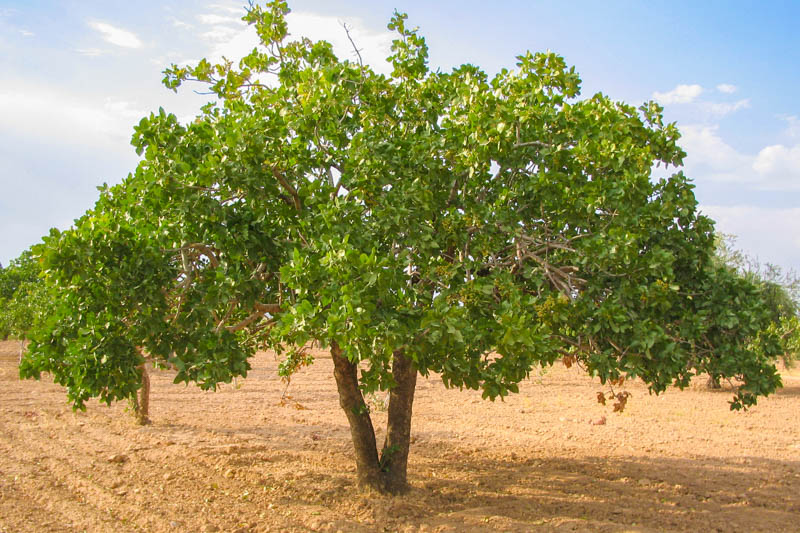


Pistacia vera, better known as the Pistachio tree, is more than just a nut producer—it’s a drought-loving, long-living, flavor-packing legend. Native to Central and Southwest Asia, this tree has been cultivated for thousands of years, from the Middle East to the Mediterranean and now across parts of the U.S. It’s a superstar crop with serious staying power—perfect for food lovers, farmers, and fans of dry, sunny gardens.
Pistachios belong to the Anacardiaceae (cashew) family—yes, the same group that includes favorites like the mango and cashew, as well as lesser-known but fascinating members like the mastic tree, Chinese pistachio, staghorn sumac, smokebush, and even the infamous poison ivy.
Pistachios are native to rugged mountain areas in places like Iran, Afghanistan, and parts of Central Asia (Tajikistan, Uzbekistan, and more). You’ll often find wild pistachio forests hugging mountain slopes, growing at 700 to 1,500 meters. They’re desert-adapted, love sun and heat, and grow just fine in salty or rocky soil.
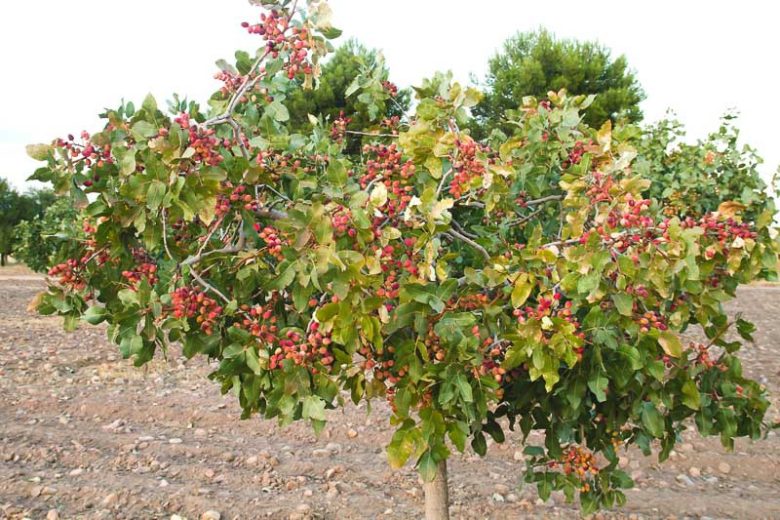
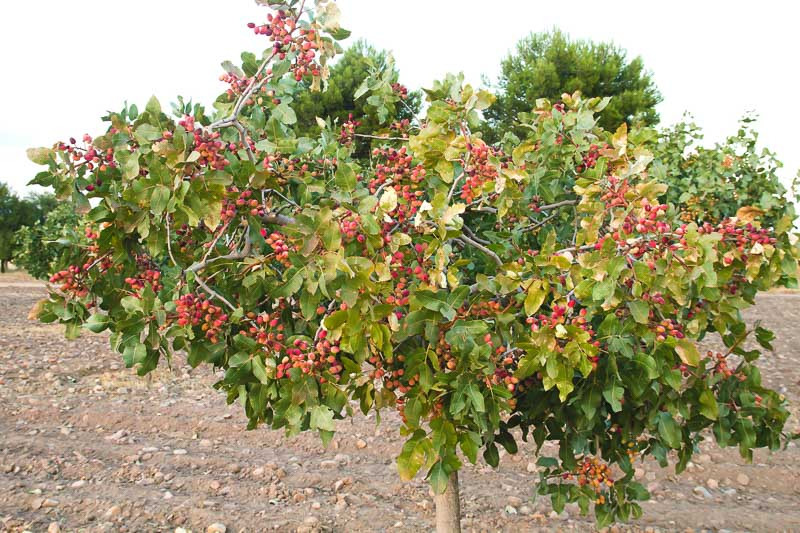
Pistachios are small to medium-sized deciduous trees or big, bushy shrubs. They’ve got an open, spreading shape and drop their leaves in winter. They’re dioecious, meaning you need both a male and a female tree to get nuts. Bonus: they grow a deep taproot, so they’re champions at surviving in tough soil.
Most pistachio trees reach about 25–30 feet tall and wide. They’re slow to moderate growers, but totally worth the wait.
With good care, pistachio trees can live over 100 years! They start producing nuts after 5–7 years, hit their stride around year 10, and peak from 15 to 20 years. It’s a long-term investment—with delicious returns.
The flowers aren’t flashy—tiny, greenish, and petal-free—but they make their spring debut in tight little clusters for 2 to 3 weeks. Since pistachios rely on the wind to do the pollinating, one male tree is enough to keep 8–10 nearby female trees happily producing nuts.
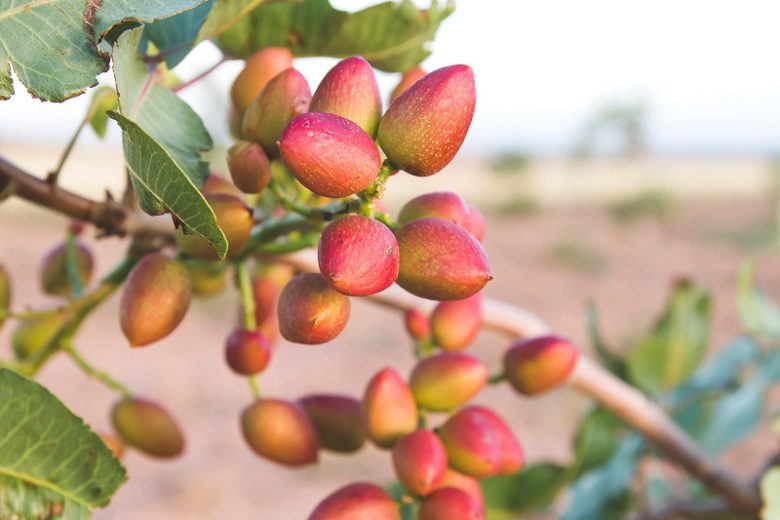
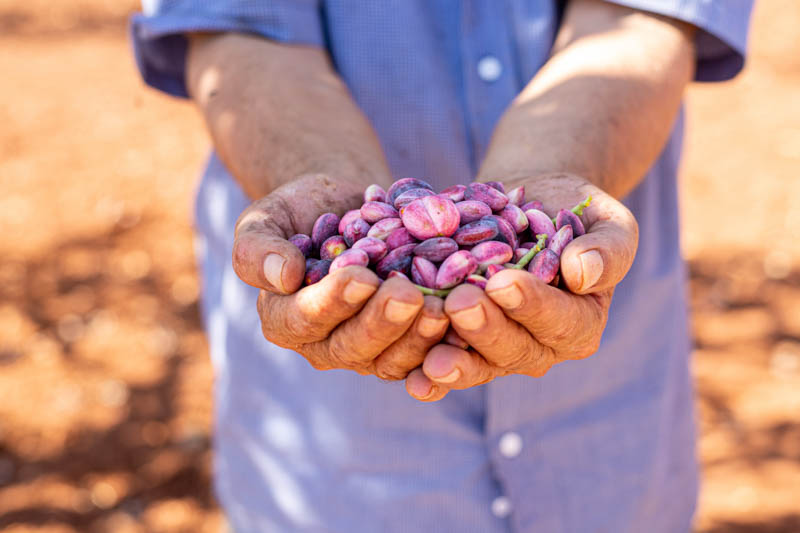
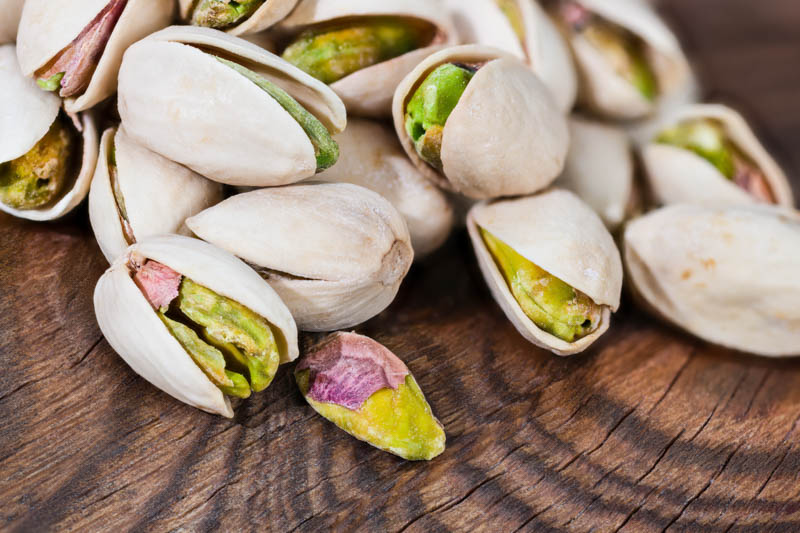
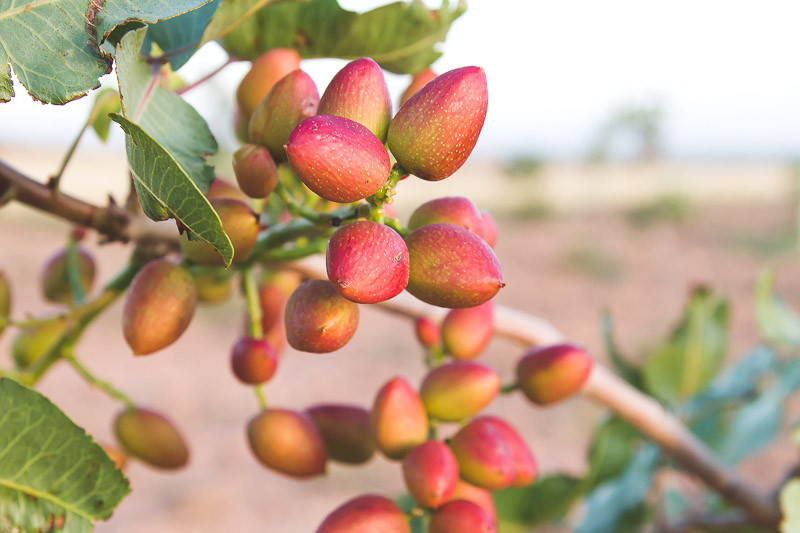
The pistachio isn’t technically a nut—it’s a drupe! The fruit has a thin outer hull that changes color as it ripens and peels off easily. Inside, you’ll find a hard beige shell that pops open when ripe, revealing the tasty green seed we all love.
Each fruit is oblong, about an inch long, and grows in grape-like bunches. A mature tree can produce up to 110 pounds of nuts every other year—now that’s a harvest!
The leaves are made up of 3–5 leathery leaflets, dusty green in color, and turn beautiful golden or reddish hues in fall. This tree doesn’t just feed you—it looks good doing it.
Pistachios thrive in USDA zones 7–11, needing hot, dry summers and a solid dose of winter chill—about 900 to 1,000 hours below 45°F. They don’t do well in humid climates and definitely aren’t fans of late frosts, so choose your planting spot wisely.
While wild critters like birds and bugs might snack on parts of the pistachio tree, commercial growers usually try to keep them away to protect the nut harvest.
This is where pistachios shine. Once established, they handle drought like champs thanks to their deep roots. A smart pick for dry, hot places.
Pistachios are safe to eat, but here are a few things to be aware of:
Good news! Pistachios aren’t invasive. They grow slowly, don’t take over, and won’t crowd out your native plants. A perfect fit for eco-conscious gardeners and orchard growers.
Pistachios are tiny green powerhouses—loaded with protein, fiber, and healthy fats. They’re also one of the lowest-calorie nuts, making them a smart snack choice.
Here’s a typical nutritional breakdown for 1 ounce (28g) of raw pistachios (about 49 kernels):
| Nutrient | Amount (per 28g / 1 oz) |
|---|---|
| Calories | 159 kcal |
| Protein | 5.7 g |
| Fat | 12.9 g (mostly monounsaturated and polyunsaturated fats) |
| Carbohydrates | 7.7 g |
| Fiber | 2.9 g |
| Magnesium | 34 mg (8% DV) |
| Potassium | 291 mg (6% DV) |
| Calcium | 30 mg (2% DV) |
| Iron | 1.1 mg (6% DV) |
| Phosphorus | 139 mg (11% DV) |
| Vitamin B6 | 0.5 mg (29% DV) |
*DV = Daily Value, based on a 2,000 calorie diet.
Pistachios are rich in antioxidants, vitamin B6, and potassium. They also contain significant amounts of copper, manganese, and vitamin E. Their mix of protein and fiber makes them satisfying and great for blood sugar balance and heart health.
Pistachios—and products like pistachio butter and pistachio milk—are nutrient-dense, flavorful, and packed with benefits for your heart, digestion, and more:
| Benefit | Description |
|---|---|
| Nutrient-Rich | Packed with vitamin B6, potassium, fiber, antioxidants, and protein—plus a good balance of healthy fats. |
| Heart Health | May help lower LDL cholesterol and improve blood vessel function thanks to antioxidants and unsaturated fats. |
| Weight Management | High in fiber and protein for satiety. Shelled pistachios also slow down snacking, aiding portion control. |
| Blood Sugar Control | Low glycemic index and fiber content support stable blood sugar and insulin response when eaten with meals. |
| Gut Health | Naturally high in prebiotic fiber, which helps feed healthy gut bacteria and support digestion. |
| Eye Health | Rich in lutein and zeaxanthin—antioxidants known to protect against age-related macular degeneration. |
| Pistachio Milk | A creamy, dairy-free milk alternative that’s lower in sugar and full of flavor—often enriched with calcium and vitamin D. |
| Pistachio Butter | A delicious, heart-healthy spread packed with good fats, protein, and antioxidants—great on toast, fruit, or in baking. |
Pistachios are delicious and nutritious, but moderation is still key. Here are a few possible side effects to keep in mind:
| Potential Side Effect | Explanation |
|---|---|
| Allergies | Pistachios are tree nuts and may cause allergic reactions in sensitive individuals. Symptoms can be serious—avoid if you have nut allergies. |
| Digestive Issues | Too many pistachios at once can lead to bloating, gas, or cramping due to their fiber and fat content. |
| Weight Gain | They’re healthy—but also calorie-dense. Overeating can tip your calorie balance, especially if they’re salted or flavored. |
| Sodium Intake | Salted pistachios can contribute to high sodium levels. If you’re watching your blood pressure, go for unsalted or lightly salted varieties. |
| Oxalates & Kidney Health | Pistachios contain moderate oxalates, which could contribute to kidney stones if consumed in excess by those prone to them. |
Pistachios are a smart, satisfying snack—just keep an eye on portions and talk to your healthcare provider if you have allergies or health concerns.
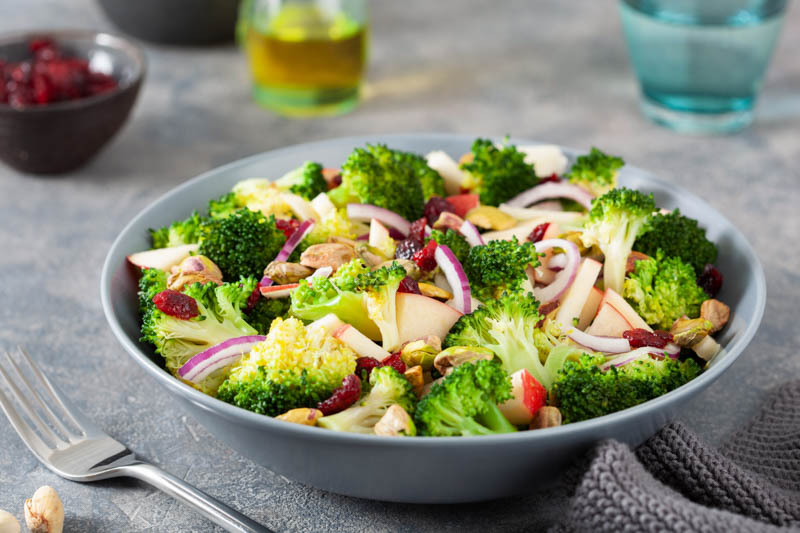
Pistachios are delicious, nutritious, and endlessly versatile—whether you’re cracking them open for a snack or whipping up a decadent pistachio dessert. Here’s how to get the most out of every bite:
Whether you’re crunching on them by the handful or crafting your next pistachio masterpiece, this tiny green nut has big flavor—and endless possibilities.
Curious about which nuts are topping snack bowls and culinary charts around the world? Here’s a flavorful lineup of the most popular edible nuts—some true nuts, some not technically nuts (we’re looking at you, peanuts!), but all commonly enjoyed and commercially important. Meet the nutty all-stars:
Almond (Prunus dulcis), Cashew (Anacardium occidentale), Walnut (Juglans regia), Pecan (Carya illinoinensis), Hazelnut (Corylus avellana), Macadamia (Macadamia integrifolia, Macadamia tetraphylla), Pistachio (Pistacia vera), Brazil nut (Bertholletia excelsa), Pine nut (Pinus pinea, Pinus koraiensis, and other Pinus species), Peanut (Arachis hypogaea), Chestnut (Castanea sativa, Castanea dentata), Hickory nut (Carya species), Pili nut (Canarium ovatum), Ginkgo nut (Ginkgo biloba), Baru nut (Dipteryx alata), and Ogbono nut (Irvingia gabonensis).
From creamy macadamias and rich pecans to protein-packed peanuts and wild acorns, this diverse bunch has something for everyone—whether you’re baking, snacking, or just cracking open something new!
Full Sun, Please!
Pistachio trees love the sun—like, really love it. They need at least 6–8 hours of direct sunlight every day. Pick a bright, wide-open spot with no shade in sight. Why? Because the more sun they get, the better they grow, the stronger they branch, and the more delicious nuts they’ll produce. Stick them in the shade, and they’ll sulk—yielding fewer nuts and growing awkwardly.
Drainage Is Everything
These trees are surprisingly easygoing about soil types—they’ll thrive in sandy, loamy, even rocky or slightly alkaline soils (pistachios prefer a soil pH between 7.0 and 8.0). What they won’t tolerate is soggy feet. Poor drainage (think clay or heavy, wet soil) is a fast track to root rot. Got heavy soil? Raised beds or berms can work wonders.
Water Deep, Not Often
Mature pistachio trees are desert warriors—they don’t need much water, just deep, occasional drinks. Let the soil dry out completely between waterings. Overwatering is worse than underwatering and can lead to rot, especially if it’s humid or the soil doesn’t drain well.
That said, young trees need more love. Water them deeply once a week for the first 2–3 years to help them build a strong root system. Once they’ve settled in, watering every 2–3 weeks during dry spells is usually enough.
Hot and Dry, Please
Pistachios aren’t shy about their preferences—they thrive in long, hot summers (95–105°F or 35–40°C) and need chilly winters with 900–1,000 hours of temps between 32°F and 45°F (0–7°C) to wake up properly. If you live somewhere humid, beware: they’re prone to fungal diseases in moist conditions.
Feed Strategically
Want happy trees and healthy nuts? Use a balanced fertilizer—something like 10-10-10 or 20-10-10—in late winter to jumpstart growth, then hit them again in early summer to keep them going. Mature trees often benefit from a potassium-rich mix (like 12-8-16) later in the season. Also, micronutrients like zinc and boron might be needed, so it’s smart to do a soil test before going all in. Less is more when it comes to fertilizing!
Container Living: Temporary Only
Sure, you can start young pistachio trees in big pots—but this isn’t their forever home. They grow a deep taproot and want space to stretch. Plan to transplant them within 3–5 years into a permanent spot with full sun and room to grow.
Harvesting pistachios is a surprisingly satisfying experience—especially when you hear that telltale pop of the shells splitting open.
Pistachios are ready to harvest when:
To harvest:
Want roasted pistachios? Once dried, you can roast them in the oven at 250°F (120°C) for 1–2 hours, stirring occasionally.
Once you’ve harvested and dried your pistachios, it’s time to keep them fresh—because these tasty little gems are worth savoring year-round.
Storage tips:
Freshly harvested or store-bought, properly stored pistachios keep their crunch and flavor for months—just don’t be surprised if they disappear a lot sooner.
Want to grow your own pistachio tree from scratch? It’s totally doable—but a bit of patience and planning go a long way.
There are two main ways to propagate pistachios: from seed or by grafting.
Growing pistachios from seed is fun but a long game. Here’s how:
Note: Seed-grown pistachios take years to mature and might not produce true-to-type nuts. That’s where grafting comes in.
Most commercial pistachios are grafted onto hardy rootstock (like Pistacia atlantica or Pistacia integerrima) for better disease resistance and yield.
Whether starting from seed or grafting, growing pistachios is a long-term project—but the reward is worth it: a beautiful tree that (eventually) gives you your very own homegrown pistachios.
Even though pistachio trees are tough and drought-tolerant, they’re not immune to pest and disease troubles—especially in the hot, dry climates they love.
Pistachios can attract quite a cast of characters. Here are some of the most common troublemakers:
Pro Tip: A healthy, well-maintained tree is your best defense. Good airflow, proper spacing, and avoiding overwatering go a long way in keeping pests at bay.
Pistachio trees are generally hardy, but under the wrong conditions, they can fall prey to several diseases:
Healthy pistachio trees start with the right environment—dry, sunny, and well-spaced. Stay watchful, respond early, and you’ll enjoy many seasons of crunchy green rewards.
Yes, pistachios are highly nutritious. They are a rich source of healthy fats, protein, fiber, antioxidants, and essential nutrients like vitamin B6, potassium, and thiamine. Regular consumption in moderation may support heart health, weight management, and blood sugar control.
While pistachios are not toxic to dogs, they are not recommended. Their high fat content can cause digestive upset or even pancreatitis in some dogs. Additionally, salted or moldy pistachios can be harmful. It’s best to avoid giving pistachios to dogs altogether.
Pistachios grow on small to medium-sized deciduous trees. The trees are dioecious, meaning male and female flowers grow on separate trees. After pollination, female trees produce oblong drupes. As the fruit ripens, the outer hull changes color and splits, revealing the hard shell and edible seed inside.
Pistachios originated in Central Asia and the Middle East, particularly in Iran and Afghanistan. Today, they are cultivated in various countries with hot, arid climates, including the United States (especially California), Turkey, Iran, and Syria.
Yes, pistachios are considered tree nuts. They grow on trees and are classified botanically as drupes. However, they are commonly grouped with other culinary nuts such as almonds, cashews, and walnuts.
Cats should not eat pistachios. While not highly toxic, pistachios are not suitable for a feline diet. They can cause gastrointestinal upset, and their high fat and salt content may lead to health issues. Always keep pistachios and similar snacks away from cats.
Yes, pistachios can go bad, especially if exposed to moisture, heat, or air. Signs of spoilage include a rancid odor, bitter taste, or visible mold. Store them in an airtight container in a cool, dry place or refrigerate for longer shelf life.
| Hardiness |
7 - 11 |
|---|---|
| Climate Zones | 7, 8, 9, 10, 11, 12, 14, 15, 18, 19, 20, 21 |
| Plant Type | Fruits, Trees |
| Plant Family | Anacardiaceae |
| Common names | Pistachio |
| Exposure | Full Sun |
| Season of Interest | Spring (Mid, Late), Summer (Early, Mid, Late), Fall |
| Height | 25' - 30' (7.6m - 9.1m) |
| Spread | 25' - 30' (7.6m - 9.1m) |
| Maintenance | Average |
| Water Needs | Low, Average |
| Soil Type | Clay, Loam, Sand |
| Soil pH | Acid, Alkaline, Neutral |
| Soil Drainage | Moist but Well-Drained, Well-Drained |
| Characteristics | Showy, Fruit & Berries |
| Tolerances | Drought |
| Attracts | Birds |
| Garden Styles | Mediterranean Garden |
| Toxic to Humans | No known toxicity |
| Toxic to Cats | No known toxicity |
| Toxic to Dogs | No known toxicity |
| Toxic to Horses | No known toxicity |


| Hardiness |
7 - 11 |
|---|---|
| Climate Zones | 7, 8, 9, 10, 11, 12, 14, 15, 18, 19, 20, 21 |
| Plant Type | Fruits, Trees |
| Plant Family | Anacardiaceae |
| Common names | Pistachio |
| Exposure | Full Sun |
| Season of Interest | Spring (Mid, Late), Summer (Early, Mid, Late), Fall |
| Height | 25' - 30' (7.6m - 9.1m) |
| Spread | 25' - 30' (7.6m - 9.1m) |
| Maintenance | Average |
| Water Needs | Low, Average |
| Soil Type | Clay, Loam, Sand |
| Soil pH | Acid, Alkaline, Neutral |
| Soil Drainage | Moist but Well-Drained, Well-Drained |
| Characteristics | Showy, Fruit & Berries |
| Tolerances | Drought |
| Attracts | Birds |
| Garden Styles | Mediterranean Garden |
| Toxic to Humans | No known toxicity |
| Toxic to Cats | No known toxicity |
| Toxic to Dogs | No known toxicity |
| Toxic to Horses | No known toxicity |
How many Pistacia vera (Pistachio) do I need for my garden?
| Plant | Quantity | |
|---|---|---|
| Pistacia vera (Pistachio) | N/A | Buy Plants |
Create a membership account to save your garden designs and to view them on any device.
Becoming a contributing member of Gardenia is easy and can be done in just a few minutes. If you provide us with your name, email address and the payment of a modest $25 annual membership fee, you will become a full member, enabling you to design and save up to 25 of your garden design ideas.
Join now and start creating your dream garden!
Create a membership account to save your garden designs and to view them on any device.
Becoming a contributing member of Gardenia is easy and can be done in just a few minutes. If you provide us with your name, email address and the payment of a modest $25 annual membership fee, you will become a full member, enabling you to design and save up to 25 of your garden design ideas.
Join now and start creating your dream garden!