Ocimum basilicum ‘Lettuce Leaf’ – Lettuce Leaf Basil: An In-Depth Look
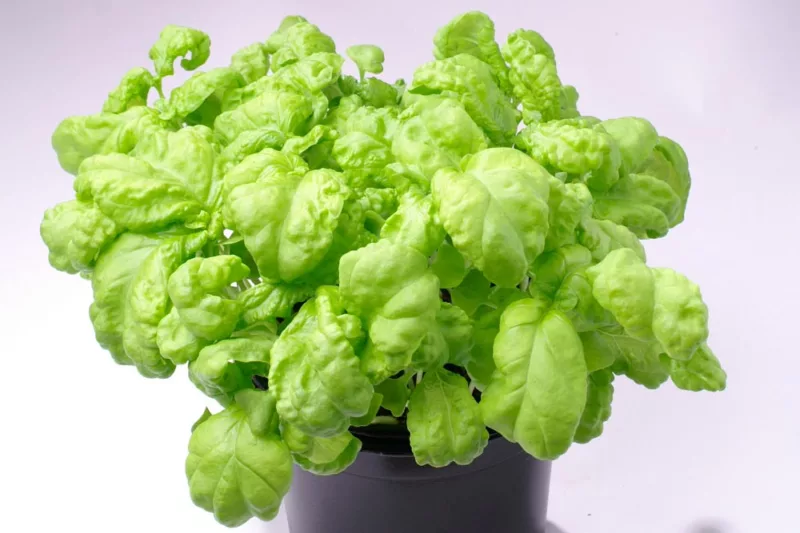
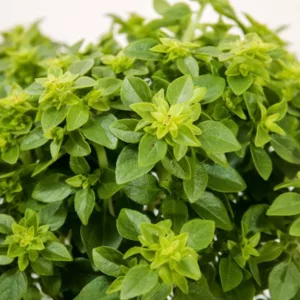
Ocimum basilicum ‘Lettuce Leaf’, commonly known as Lettuce Leaf Basil, is a unique and highly decorative basil variety known for its exceptionally large, crinkled leaves that resemble lettuce in both size and texture. This cultivar is appreciated for its mild flavor and lush, ornamental presence in herb gardens and containers.
As a member of the mint family (Lamiaceae), it shares botanical ties with rosemary, mint, sage, oregano, and thyme.
Native Range
Basil originates from tropical Asia and Africa, including regions such as Central Africa and Southeast Asia. It has since spread around the globe, becoming a staple in Mediterranean and international cuisine.
Plant Type and Habit
Lettuce Leaf Basil is a tender, fast-growing annual herb with a bushy, upright habit. Its sprawling, leafy form makes it ideal for garden borders and container displays.
Size
This basil variety grows up to 18–24 inches tall and wide (45–60 cm), providing a generous harvest of leaves.
Lifespan
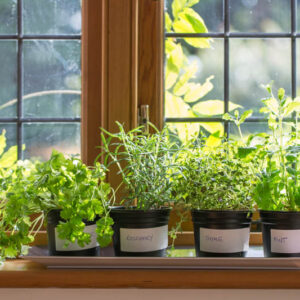
It is typically grown as an annual and completes its lifecycle within one growing season. In warm regions, it may survive longer or be brought indoors before frost. Keep it Fresh: 20 Best Herbs to Grow Indoors All Year
Flowers
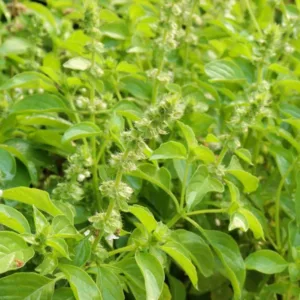
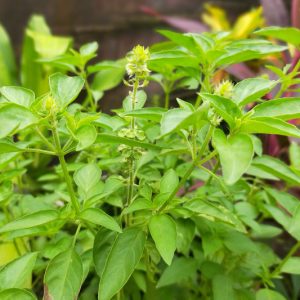
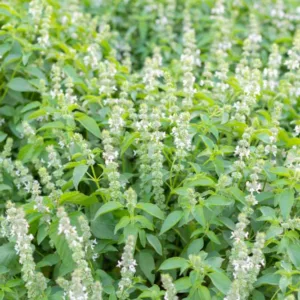
Short spikes of white, tubular flowers emerge in late summer. These edible blooms attract bees and butterflies, but should be pinched to extend the harvest season.
Fruits
Produces tiny nutlets that contain seeds for propagation. These can be harvested after the plant flowers.
Foliage
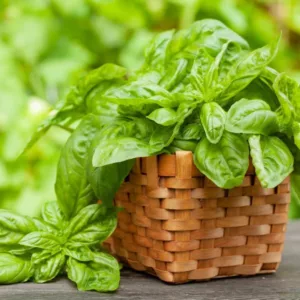
The foliage is light green, heavily crinkled, and can reach up to 5 inches long (12 cm). The soft, lettuce-like texture and subtle flavor make it perfect for fresh culinary applications.
Hardiness
Hardy in USDA zones 10–11. In cooler climates, it is treated as a summer annual.
Uses
- Culinary: Lettuce Leaf Basil’s mild flavor makes it ideal for tossing fresh into salads, using as a base for pesto with a gentler taste, or layering in sandwiches and wraps. It’s also excellent for garnishing pasta dishes, pizza, and vegetable platters.
- Ornamental: Its large, textured leaves provide visual interest in garden beds and containers.
- Medicinal: Traditionally used to soothe digestion and promote wellness thanks to essential oils like linalool.
- Aromatic: The gentle fragrance makes it a soothing addition to indoor herb collections.
- Edible Garden: A great choice for gardeners who love large-leaved herbs and regular fresh harvests.
- Pollinator Garden: Its blooms support pollinators including bees and butterflies.
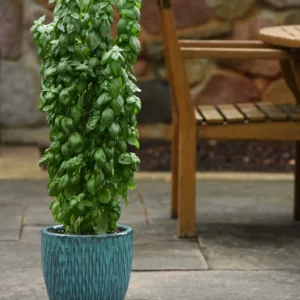
- Container Plant: Performs well in pots and raised beds with full sun and regular moisture.
- Companion Plant: Acts as a natural pest deterrent when grown near tomatoes, peppers, and other vegetables.
- Mosquito-Repellent: Releases gentle but effective aromas that help repel mosquitoes in outdoor spaces.
Wildlife Value
The nectar-rich flowers support bees, butterflies, and Black Swallowtail butterflies.
Drought Tolerance
Tolerates short dry spells once established but prefers regular moisture. Mulch to help retain soil moisture.
Deer and Rabbit Resistance
Its aromatic oils deter deer and rabbits, helping to reduce browsing.
Toxicity
According to the ASPCA, Basil is non-toxic to cats and dogs.
Invasiveness
Not considered invasive. It may lightly self-seed if allowed to flower and go to seed but is easily controlled.
Benefits of Basil
Health Benefits
- Antioxidant Properties: Basil contains natural antioxidants like flavonoids and polyphenols, which help protect cells from damage caused by free radicals. This can lower the risk of chronic illnesses such as heart disease and some cancers.
- Anti-Inflammatory Effects: Basil’s eugenol content provides anti-inflammatory support, working in a way similar to over-the-counter pain relievers. It may help reduce inflammation and mild pain naturally.
- Digestive Support: Traditionally used in herbal remedies, basil helps ease digestive discomfort such as gas, bloating, and nausea, thanks to compounds like linalool and eugenol.
- Antimicrobial Properties: Basil contains compounds that may help combat bacteria, viruses, and fungi, offering support to the immune system and promoting general wellness.
Culinary Uses
- Basil is a key ingredient in many cuisines, especially Italian and Thai, adding bold flavor and aroma to pastas, curries, soups, and sauces.
- It pairs perfectly with tomatoes and mozzarella and is essential for making fresh pesto.
Aesthetic and Therapeutic Benefits
- The soothing fragrance of basil is often used in aromatherapy to help reduce stress and anxiety.
- Basil tea is sometimes applied topically to calm irritated skin and is believed to help tone and tighten the skin naturally.
Drawbacks of Basil
Safety Concerns
- Estragole Content: The plant contains estragole, a compound that, in high doses, has been linked to an increased cancer risk in animal studies, particularly liver cancer.
- Pregnancy and Breastfeeding: While culinary amounts are generally safe, consuming basil in large medicinal quantities may not be recommended during pregnancy and breastfeeding due to estragole content.
- Bleeding Disorders: Basil extracts and essential oils may slow blood clotting, potentially increasing the risk of bleeding in people with clotting issues.
Interactions with Medications
- Basil may interact with blood-thinning medications, raising the risk of bleeding when taken together.
- It may lower blood pressure, so combining basil supplements with antihypertensive drugs could lead to excessively low blood pressure.
Cultivation Challenges
- Basil is sensitive to cold and frost, making it difficult to grow outdoors in cooler climates without protection.
- If not monitored, the plant can attract pests like aphids and spider mites, especially in humid conditions or when overwatered.
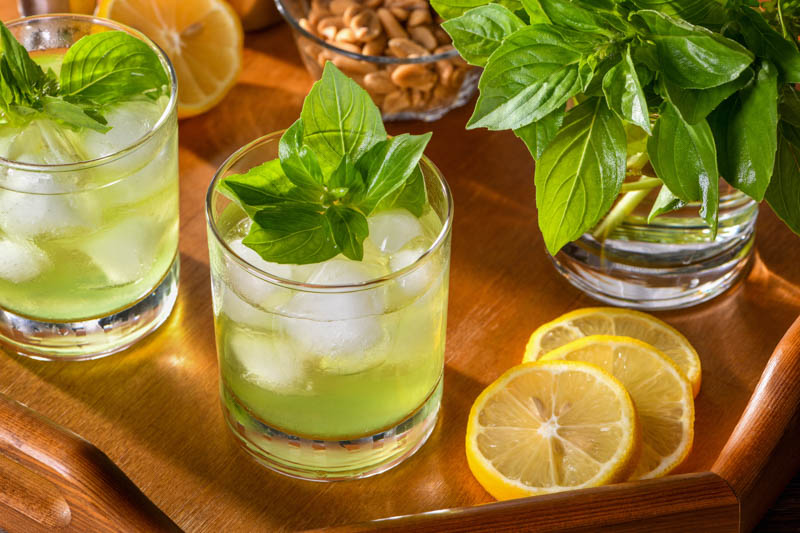
How to Grow and Care for Basil
Planting
- Location: Basil thrives in full sun (6–8 hours daily) with protection from strong wind. It grows well in garden beds, raised beds, or containers.
- Soil: Prefers rich, moist, well-drained soil with a pH of 6.0–7.5. Improve poor soil with compost or aged manure.
- Spacing: Plant seedlings or thin direct-sown basil 10 to 12 inches (25–30 cm) apart to encourage airflow and reduce disease.
- Timing: Basil can be started indoors 4–6 weeks before the last frost for an earlier harvest.
Watering
- Consistency: Basil needs evenly moist soil. Water when the top inch is dry. Avoid overwatering to prevent root rot.
- Morning Watering: Water early to allow foliage to dry by night, reducing fungal issues.
- Container Plants: Basil in pots needs more frequent watering, especially in hot, dry weather.
- Method:Water at the base of the plant rather than overhead to keep leaves dry and reduce fungal problems.
Fertilizing
- Light Feeding: Basil doesn’t need heavy fertilization. Too much fertilizer can reduce flavor intensity, especially in culinary varieties.
- Timing: Apply a balanced, water-soluble fertilizer once a month during the growing season. For container basil, feed more often—every 2–4 weeks.
- Organic Options: Compost or diluted fish emulsion can be used to enrich the soil naturally without overfeeding.
- Signs of Deficiency: Pale or yellowing leaves may indicate the plant needs nutrients. Avoid overcorrecting with high-nitrogen fertilizers, which promote leaf growth but reduce flavor.
Pruning
- Pinching: Pinch off tips when the plant has 6–8 leaves to encourage bushier growth.
- Remove Flowers: Snip flower buds to prolong leaf production. Flowering signals the end of the growing season.
Overwintering
- Indoors: Bring basil indoors before frost. Grow in a sunny window or under grow lights for continued harvests.
- Annual Habit: In most climates, basil is grown as an annual and replanted each year.
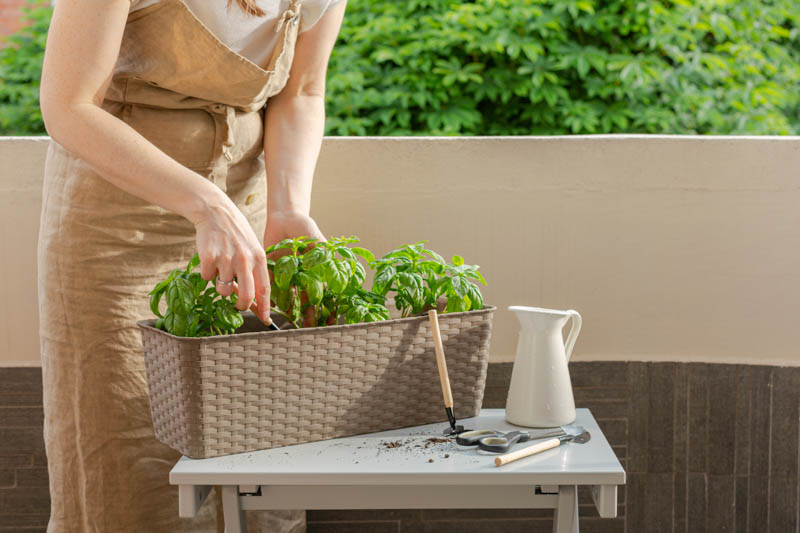
How to Harvest Basil
When to Harvest
- Timing: Begin harvesting once plants reach 6 to 8 inches tall. Morning harvest retains essential oils for best flavor.
- Ongoing Harvest: Pick leaves regularly to encourage new growth and delay flowering.
How to Harvest
- Leaf Picking: Harvest individual leaves as needed for kitchen use.
- Stem Cutting: Cut just above a leaf node to encourage branching and bushier growth.
Preserving
- Freezing: Chop basil and freeze in ice cube trays with water or oil. Ideal for later use in cooking.
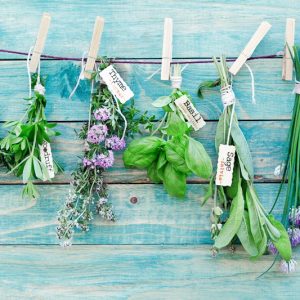
- Drying: Hang small bunches upside down in a dark, well-ventilated place. Dried basil loses some flavor compared to fresh or frozen.
- Pesto: Process fresh basil with olive oil, nuts, garlic, and cheese. Freeze in small containers for long-term use.
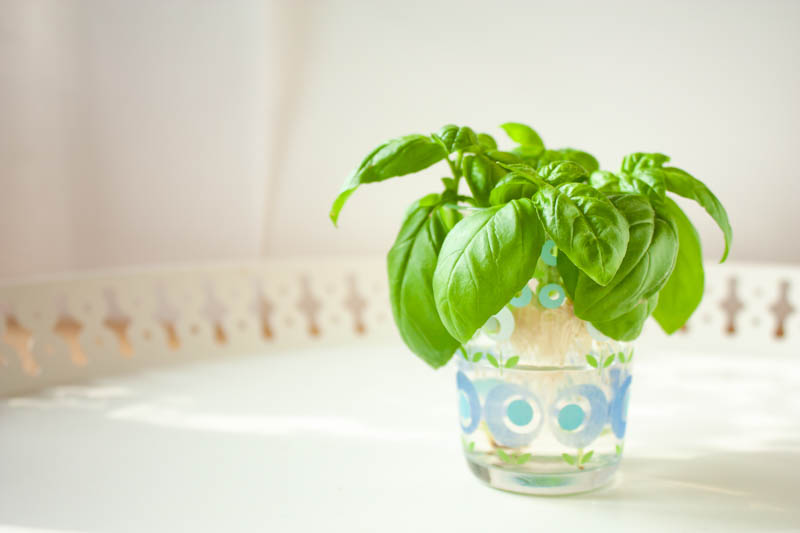
How to Propagate Basil
From Cuttings
- Step 1: Take 4–6 inch cuttings from healthy, non-flowering stems just below a leaf node.
- Step 2: Remove the lower leaves, leaving the top few intact.
- Step 3: Place the cuttings in a glass of water in a bright, warm spot out of direct sun.
- Step 4: Change the water every few days. Roots will begin to form in 5–10 days.
- Step 5: Once roots are at least 1–2 inches long, transplant the cuttings into pots or the garden.
From Seed
- Indoor Start: Sow basil seeds indoors 6–8 weeks before the last frost. Use seed trays or small pots with moist seed-starting mix.
- Surface Sowing: Basil seeds need light to germinate, so press them lightly into the soil without covering them.
- Germination: Seeds sprout in 5–10 days at temperatures between 70–75°F (21–24°C).
- Transplanting: Move seedlings outdoors after the danger of frost has passed and the soil has warmed.
Companion Planting with Basil
Good Companions
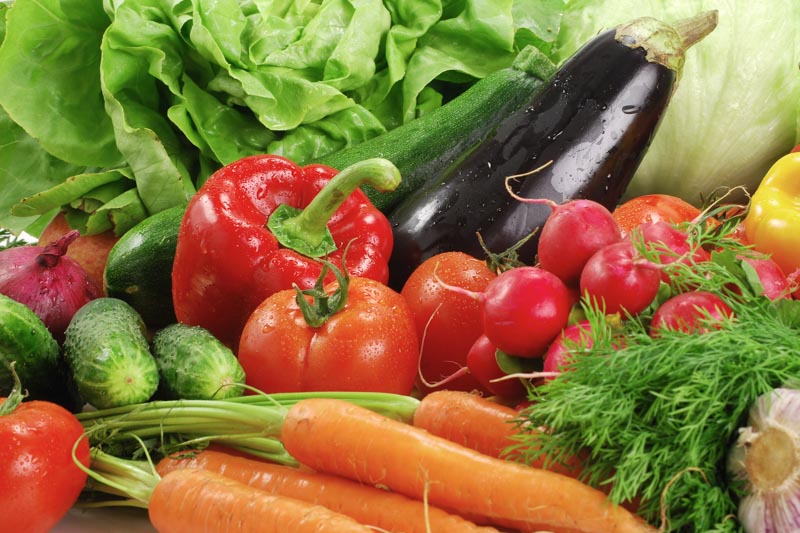
- Tomatoes: Basil enhances tomato flavor and repels tomato hornworms and aphids.
- Peppers: Basil provides pest control and traps heat and moisture, benefiting peppers.
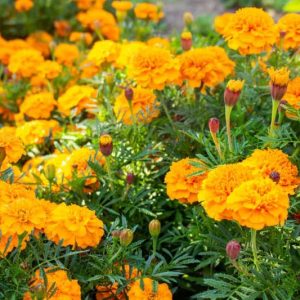
- Oregano, Parsley, Marigolds: All enjoy similar sun and soil needs. Marigolds also help repel nematodes.
- Chives: Chives enhance the flavor of your basil.
- Asparagus: Basil deters asparagus beetles and attracts beneficial insects like ladybugs, which control aphids.
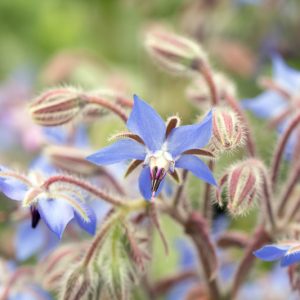
- Borage: Borage attracts pollinators and improves the flavor of nearby plants.
Bad Companions
- Thyme: Prefers drier soil and less water than basil.
- Fennel: Fennel is one of the few plants that has mostly bad companions.
Common Pests and Diseases of Basil
Pests
- Symptoms: Sticky residue (honeydew), curled or deformed leaves, and yellowing foliage.
- Treatment: Spray with a strong stream of water or apply insecticidal soap or neem oil. Reflective mulch can also help deter them.
- Symptoms: Silvery marks or pale patches on leaves, often causing leaf discoloration.
- Treatment: Remove and dispose of infested plants. Use soap-based insecticides or organic contact sprays.
- Symptoms: Large irregular holes in leaves, leaving a lacy appearance.
- Treatment: Hand-pick beetles early in the morning, apply neem oil or insecticidal soap. Floating row covers can help prevent infestations.
Snails and Slugs
- Symptoms: Irregular holes in leaves, mostly visible in the morning.
- Treatment: Scatter diatomaceous earth or crushed eggshells around plants. Hand-pick at night for best results.
- Symptoms: Ragged holes in leaves, especially overnight.
- Treatment: Raise pots to eliminate hiding spots and apply insecticidal soap or carbaryl dust.
- Symptoms: Seedlings cut off at soil level, especially overnight.
- Treatment: Use collars around the base of young plants to protect stems from damage.
- Symptoms: Small shot-hole damage on leaves, leading to poor growth.
- Treatment: Cover plants with floating row covers and apply neem oil or diatomaceous earth.
Diseases
- Symptoms: Yellow leaves, stunted growth, and brown streaks on stems.
- Treatment: Remove and destroy infected plants. Avoid replanting basil in the same soil for several seasons.
- Symptoms: Powdery mildew appears as white, powdery spots on basil leaves, stems, and buds. Infected leaves may curl, yellow, and drop prematurely.
- Treatment: Remove and destroy affected leaves. Improve air circulation and avoid overhead watering.
- Symptoms: Soft, brown or gray fuzzy mold on leaves and stems.
- Treatment: Remove affected parts, increase air circulation, and avoid overhead watering.
- Symptoms: Small black or brown spots on leaves, sometimes with yellow halos or stem streaking.
- Treatment: Water at the base, avoid wetting leaves, and space plants to allow air flow.
- Symptoms: Sudden wilting of plants despite green foliage.
- Treatment: There is no effective treatment. Remove and destroy infected plants and rotate crops to reduce disease buildup.
Prevention and Control
- Check plants often for early signs of pests and diseases.
- Provide good airflow by spacing basil properly and pruning dense growth.
- Use drip irrigation or water at the base to keep leaves dry.
- Practice crop rotation to limit recurring soil-borne issues.
- Promptly remove and discard infected plants to prevent further spread.
Popular Basil Plants
- Sweet Basil: The most widely grown variety, with large, smooth, glossy green leaves and a sweet flavor. Ideal for salads and Italian dishes, especially pesto. 18–24 in. tall (45–60 cm).
- Genovese Basil: A top choice for culinary use, especially in pesto. Features large, slightly crinkled leaves with a fragrance of jasmine, lemon, and licorice. 24–36 in. tall (60–90 cm).
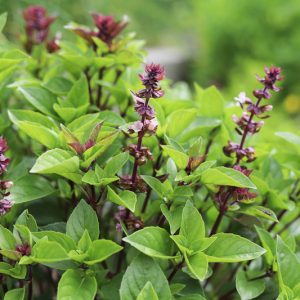
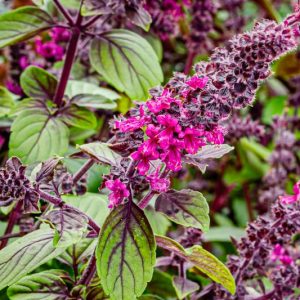
- Thai Basil (Ocimum basilicum var. thyrsiflora): Known for its savory, spicy, and anise-like flavor. It has pointed green leaves with purple veins and showy purple flowers. Holds up well in stir-fries. 12–18 in. tall (30–45 cm).
- Greek Basil (Ocimum basilicum var. minimum): A compact variety with small leaves and intense flavor. Ideal for containers, pesto, tomato sauces, and pizzas. 8–12 in. tall (20–30 cm).
- Lemon Basil (Ocimum basilicum var. citriodorum): Features narrow, matte green leaves with a fresh lemon-anise taste. Common in Middle Eastern and Southeast Asian dishes. Great for seafood, lemonade, and compound butters. 24 in. tall (60 cm).
- Opal Basil: Also called Purple Basil, it boasts glossy, deep-purple leaves with sweet, earthy flavor notes of anise, ginger, and mint. Produces edible lilac-pink flowers. 18 in. tall (45 cm).
- Cinnamon Basil: A tall variety with smooth, pointed leaves and a spicy, cinnamon-like flavor. Popular in Asian cooking, especially in marinades, rice, and noodles. 24–36 in. tall (60–90 cm).
While every effort has been made to describe these plants accurately, please keep in mind that height, bloom time, and color may differ in various climates. The description of these plants has been written based on numerous outside resources.