Arugula, Rocket, Garden Rocket, Eruca, Ruchetta, Rucola, Rucoli, Rugula, Colewort, Roquette. Eruca sativa, Eruca vesicaria subsp. sativa, Brassica eruca
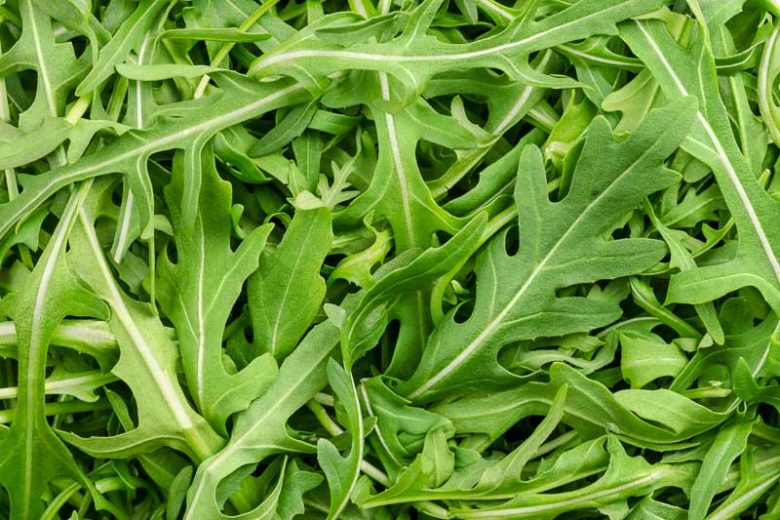




Summary: Fast-growing, peppery leafy green (aka rocket) from the Mediterranean. Ready to harvest in 4–6 weeks and excellent for succession planting.
Taste: Pleasantly spicy, nutty; baby leaves are milder.
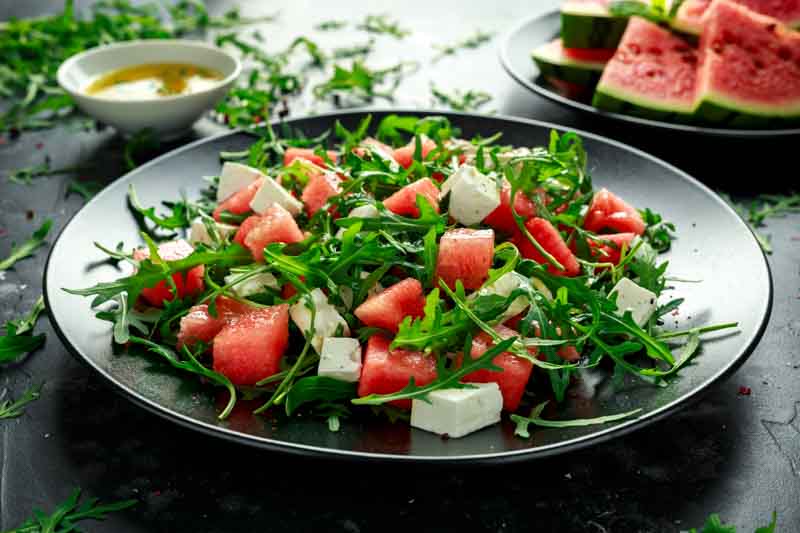
Use: Salads, pizzas, pastas, pesto, sandwiches; baby greens are a staple mix-in.
Safety: Edible and non-toxic. Very high in vitamin K—people on anticoagulants should seek medical advice about leafy-green intake.
| Botanical Name | Eruca vesicaria (syn. E. sativa) |
|---|---|
| Family | Brassicaceae (Mustard/Cabbage family) |
| Common Names | Arugula, Rocket, Garden rocket, Roquette, Rucola |
| Native Range | Mediterranean region & Western Asia |
| Plant Type & Habit | Cool-season annual (sometimes biennial); basal rosette; quick growth |
| Hardiness (USDA) | Grown as a cool-season annual in all zones; tolerates light frost |
| Size | 8–24 in (20–60 cm) tall; 6–12 in (15–30 cm) wide |
| Sun & Exposure | Full sun to partial shade; afternoon shade helps prevent bolting in heat |
| Soil | Fertile, well-drained soil rich in organic matter; pH 6.0–7.0 |
| Bloom & Seed | Creamy white flowers with purple veins; slender seed pods (siliques) |
| Wildlife | Flowers attract pollinators; good for beneficial insects |
| Toxicity | Edible; generally safe for pets in small amounts |
| Invasiveness | May self-seed; not typically invasive |
| Primary Uses | Baby greens, salad mix, pesto, topping for pizza/pasta, quick cut-and-come-again crop |
Fresh, peppery, and packed with nutrients, arugula is a leafy green that brings a bold flavor to your plate. Also known as rocket, this edible annual belongs to the Brassicaceae family, home to broccoli, cabbage, cauliflower, kale, and Brussels sprouts.
Around the world, you might hear it called garden rocket, rucola, ruchetta, rucoli, rugula, colewort, or roquette. Botanically, it’s classified as Eruca vesicaria (syn. E. sativa), a Mediterranean native that’s become a global favorite in vibrant arugula salads and gourmet dishes. A closely related salad green, often sold as “wild” or “Italian” rocket (Diplotaxis tenuifolia), has a finer leaf, spicier flavor, and slower bolting.
Description: Arugula grows in a rosette, typically 8–24 in (20–60 cm) tall. It produces creamy-white flowers with purple veins, creating a magnet for bees, butterflies, and other pollinators.
Growth: One of arugula’s best-kept secrets? Speed! It’s among the fastest-growing greens, ready to harvest just 4–6 weeks after sowing—perfect for quick, fresh salads and pestos.
Hardiness: Grown as a cool-season annual in all USDA zones; tolerates light frosts. Performs best in spring and fall; heat triggers bolting and stronger flavor.
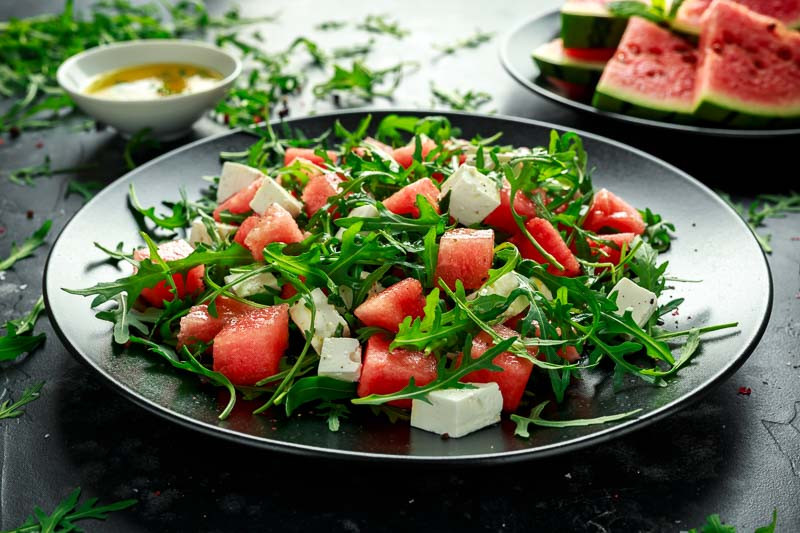
Uses: Versatile and flavorful, arugula shines fresh in salads, brings a spicy kick as a pizza topping, stars in pasta dishes and sauces, and transforms into a rich, peppery arugula pesto.
Health Note: Very high in vitamin K. People taking anticoagulant medications should consult their clinician about consistent leafy-green intake.
Wondering why arugula salad is such a powerhouse? This peppery green is low in calories but packed with essential nutrients. Here’s what 100g of fresh, raw arugula delivers:
| Nutrient | Amount | Benefit |
|---|---|---|
| Calories | 25 kcal | Light and refreshing, perfect for healthy meals. |
| Protein | 2.6g | A surprising boost for a leafy green! |
| Carbohydrates | 3.6g | Including natural sugars to fuel your body. |
| Dietary Fiber | 1.6g | Helps keep digestion smooth and steady. |
| Sugars | 2.0g | A mild, natural sweetness in every bite. |
| Fat | 0.6g | Almost fat-free, making it a guilt-free choice. |
| Vitamin A | 2373 IU (47% DV) | Essential for glowing skin and strong vision. |
| Vitamin C | 15mg (18% DV) | Boosts immunity and fights free radicals. |
| Vitamin K | 108.6 mcg (103% DV) | A bone-strengthening superstar! |
| Folate | 97 mcg (24% DV) | Vital for cell growth and heart health. |
| Calcium | 160mg (16% DV) | Good for your bones and teeth. |
| Potassium | 369mg (8% DV) | Helps regulate blood pressure naturally. |
| Iron | 1.5mg (11% DV) | Important for energy and healthy blood. |
DV stands for Daily Value — it’s the recommended amount of a nutrient you should consume each day based on a standard 2,000-calorie diet.
With so many benefits packed into every crisp leaf, it’s no wonder arugula nutrition is a favorite among health-conscious eaters. Add it to salads, pastas, smoothies, or create your own arugula salad recipe for a fresh and nourishing meal!
Adding fresh arugula to your meals isn’t just about flavor—this vibrant leafy green offers a powerhouse of health benefits! Discover why arugula salad and even arugula pesto deserve a spot in your kitchen.
Arugula is packed with essential nutrients like vitamins A, C, and K, along with calcium, potassium, and iron. These nutrients are crucial for immune support, strong bones, healthy blood clotting, and overall vitality.
Loaded with antioxidants such as beta-carotene, vitamin C, and quercetin, arugula helps combat free radicals, potentially reducing the risk of chronic diseases like heart disease and cancer. A daily boost of arugula nutrition goes a long way toward a healthier you!
Thanks to its natural supply of dietary nitrates, arugula can help improve blood flow and lower blood pressure, promoting a healthier heart. Another reason why a fresh arugula salad recipe can be both delicious and life-enhancing!
With its exceptional vitamin K content, arugula plays a key role in calcium absorption and bone health, helping to keep your bones strong and resilient as you age.
Low in calories but high in fiber, arugula can help you stay fuller for longer. It’s a perfect addition for anyone aiming for healthy weight management without sacrificing flavor or satisfaction.
Vitamin A and beta-carotene found in arugula contribute to sharp vision and may help protect against age-related eye conditions like macular degeneration.
Note: Everyone’s nutritional needs are different. Consult a healthcare professional before making significant changes to your diet, especially when incorporating powerful greens like baby arugula or exploring arugula seeds for home-growing!
Baby arugula is simply arugula picked early—when leaves are 2–4 in (5–10 cm) tall. The texture is tender, the flavor milder and slightly sweet, and the peppery kick is more subtle.
Thanks to its delicate texture and fresh taste, baby arugula shines in salads, sandwiches, wraps, and tossed into warm pasta. It adds a gentle zing without overpowering other ingredients and is often sold pre-washed for convenience.
Different varieties of arugula (rocket) offer subtle differences in flavor, leaf shape, and heat tolerance. Here are some popular choices for home gardeners:
| Variety | Species | Leaf Type | Flavor | Notes | Days to Harvest |
|---|---|---|---|---|---|
| ‘Astro’ | Eruca vesicaria | Broad, smooth | Mild, less peppery | Fast growing, great for baby leaf harvests | 25–35 (baby 20–25) |
| ‘Runway’ | Eruca vesicaria | Deeply lobed | Classic peppery | Heat-tolerant, slower to bolt in summer | 30–40 |
| ‘Apollo’ | Eruca vesicaria | Smooth, rounded | Milder, nutty | Good for cool-season sowings | 28–35 |
| ‘Rocket’ (Standard) | Eruca vesicaria | Serrated, lobed | Peppery, tangy | Fast-maturing, common garden arugula | 30–40 |
| Wild/Italian Rocket | Diplotaxis tenuifolia | Fine, deeply cut | Spicy, stronger flavor | Perennial habit in mild climates; bolts less in heat | 45–60 |
| ‘Sylvetta’ (wild rocket cultivar) | Diplotaxis tenuifolia | Narrow, finely lobed | Strong, spicy, pungent | Excellent for repeated cuttings; longer harvest season | 50–60 |
Arugula is a vibrant, peppery leafy green that can transform everyday dishes into something extraordinary. Whether you’re craving a fresh salad or a hearty pizza, here’s how you can bring this leafy green into your kitchen:
Salads: Use arugula as the star of your salad or mix it with other greens like spinach and romaine. Top with toasted walnuts, shaved Parmesan cheese, juicy cherry tomatoes, and a drizzle of olive oil for a simple, delicious dish.
Sandwiches and Wraps: Layer fresh arugula into sandwiches, wraps, or paninis with ingredients like roasted chicken, creamy avocado, crisp cucumbers, and your favorite spread for extra crunch and flavor.
Pizzas: Scatter it over a hot pizza topped with mozzarella, prosciutto, or goat cheese right after baking for a burst of freshness. You can also add it before baking for a lightly wilted texture.
Pasta Dishes: Toss arugula with freshly cooked pasta, sautéed garlic, and a splash of extra virgin olive oil. Add some grated Pecorino Romano or mix into a cool pasta salad with seasonal veggies.
Grain Bowls: Brighten up your grain bowls with arugula, fluffy quinoa, roasted sweet potatoes, crisp bell peppers, and a zesty lemon vinaigrette.
Omelets and Frittatas: Fold it into omelets or frittatas along with ingredients like sautéed mushrooms, onions, and a sprinkle of feta cheese for a nutritious and flavorful breakfast.
Soups: Stir a handful of arugula into soups like lentil soup or vegetable broths just before serving. It adds a fresh pop of green and a peppery punch.
Smoothies: Blend arugula into green smoothies with fruits like bananas and pineapple for a nutrient-packed, slightly spicy twist.
Pesto Make a bold arugula pesto by blending fresh arugula with pine nuts or almonds, Parmesan cheese, garlic, and olive oil. It’s perfect for tossing with pasta, spreading on toast, or drizzling over roasted vegetables.
Sautéed or Wilted: Quickly sauté arugula in olive oil with chopped garlic and finish with a squeeze of lemon juice. It makes an easy side dish or a delicious topping for grilled meats or seafood.
Tip: Always rinse arugula thoroughly before using to remove any trapped grit and enjoy its clean, crisp flavor at its best!


Growing arugula is simple and rewarding, making it a favorite leafy green for beginners and experienced gardeners alike. With its rapid growth and bold flavor, it brings a peppery punch to any garden or kitchen.
Choose a spot that receives at least 4–6 hours of direct sunlight daily. In warmer climates, partial shade during the hottest part of the day helps prevent bolting.
Arugula prefers fertile, well-draining soil enriched with compost or well-rotted manure. Ideal soil pH ranges from 6.0 to 7.0.
Sow arugula seeds outdoors 2–4 weeks before the last spring frost, or 4–6 weeks before the first fall frost. As a cool-season vegetable, this plant thrives in cooler temperatures and tolerates light frosts.
Direct sow seeds into the soil about 1/4 inch (0.6 cm) deep and 1 inch (2.5 cm) apart. Space rows 12–18 inches (30–45 cm) apart for proper airflow and easy harvesting.
Keep the soil consistently moist, especially during germination (5–7 days). Once established, continue regular watering, but avoid soggy soil to prevent root rot.
Thin seedlings to 3–4 inches (7–10 cm) apart once the first true leaves appear. This spacing promotes healthy growth and reduces the risk of disease.
Arugula is not a heavy feeder. A light application of compost or a balanced, slow-release organic fertilizer encourages steady growth without making the leaves too tender.
Begin harvesting when leaves are 2–4 inches (5–10 cm) long, typically 4–6 weeks after planting. Pick the outer leaves first to allow continuous growth. Morning harvests yield the crispest, most flavorful greens.
For a continuous supply, sow new batches of arugula seeds every 2–3 weeks during the growing season.
Arugula tends to bolt when exposed to high heat and long daylight hours, causing it to flower and turn bitter. To keep your harvest going longer, provide afternoon shade and choose heat-tolerant varieties during the warmer months.
Use a pot at least 6–8 in (15–20 cm) deep with quality potting mix. Sow densely for baby leaves or 3–4 in (7–10 cm) apart for larger heads. Keep evenly moist; harvest weekly.
Allow a few plants to flower and set pods (siliques). Harvest when pods tan and rattle; dry fully before threshing. If you don’t want volunteers, pull spent plants before seed drop.
Interplant with carrots and onions; avoid planting after other brassicas (broccoli, cauliflower, Brussels sprouts, cabbage, kale) to reduce disease carryover. Rotate beds annually.
Arugula is a hardy, low-maintenance leafy green, but even this resilient plant can face a few challenges in the garden. Here’s a quick guide to the most common pests and diseases you might encounter—and how to keep your plant thriving and delicious!
Aphids: These tiny, soft-bodied insects suck sap from the leaves, causing them to curl, yellow, or become distorted. Blast them away with a strong jet of water or treat with insecticidal soap or neem oil for natural control.
Flea Beetles: These little jumpers leave tiny round holes scattered across the leaves. Protect young plants with floating row covers and attract beneficial insects like ladybugs to naturally manage populations.
Cabbage Loopers and Caterpillars: These green munchers chew large, ragged holes in the foliage. Handpick them or use an organic control like Bacillus thuringiensis (Bt) to keep them in check.
Slugs and Snails: These slimy pests create irregular holes and leave unsightly trails. Use copper tape barriers, sprinkle diatomaceous earth around your plants, or handpick them at night to protect your crop.
Downy Mildew: Look for yellowing leaves with fuzzy white patches on the undersides. Improve air circulation, avoid overhead watering, and promptly remove affected leaves to limit the spread.
Powdery Mildew: This white, powdery fungus can coat the leaves, especially in humid conditions. Boost air circulation and treat with a sulfur-based fungicide or a homemade baking soda spray if needed.
Damping-Off: A nightmare for seedlings! This fungal disease causes young sprouts to collapse. To prevent it, use sterile soil, avoid overwatering, and provide good airflow.
Black Rot: This bacterial disease turns leaves yellow and blackens their veins. Practice crop rotation, remove any infected plants immediately, and ensure good spacing between your arugula plants for healthier growth.
Good garden hygiene goes a long way. Remove plant debris regularly, rotate your crops, and give your plants plenty of space to breathe. Catch problems early, and you’ll enjoy a fresh, peppery harvest all season long!
Arugula is good for you as it is a nutrient-dense leafy green vegetable. It is low in calories but high in vitamins A, C, and K, as well as minerals like calcium, potassium, and folate. It also contains antioxidants, which can help protect your body against oxidative stress and inflammation.
Dogs can eat arugula in moderation. It is a non-toxic food for dogs, and they can benefit from the same nutrients that make it healthy for humans. However, dogs have different nutritional needs than humans, so it’s essential not to rely solely on arugula or any single food as a primary source of nutrition. As always, it’s best to consult your veterinarian if you have any concerns about your dog’s diet.
You can cook arugula, though it is often enjoyed raw in salads and sandwiches. Cooking arugula can help soften its slightly bitter flavor and make it more palatable for some individuals. You can sauté, steam, or wilt it, and even add it to pasta dishes, soups, or stews. Note that cooking it can cause it to lose some of its nutritional value, particularly heat-sensitive vitamins.
Arugula has a bold, peppery flavor with a slight bitterness and a hint of nuttiness. Younger, baby arugula leaves tend to be milder and slightly sweet, while mature leaves have a stronger, spicier bite. Its distinctive taste adds a zesty kick to salads, sandwiches, pizzas, and pasta dishes.
Yes, rabbits can eat arugula safely! It is a healthy, leafy green option rich in fiber, vitamins, and minerals. Feed it in moderation and as part of a varied diet that includes hay, other greens, and vegetables. Always wash the leaves thoroughly and introduce arugula slowly to avoid digestive upset.
Yes, arugula is generally safe for cats to eat in small amounts. It is non-toxic and can provide some vitamins and antioxidants. However, arugula should only be an occasional treat, not a regular part of a cat’s diet, which should be primarily protein-based. Always consult your veterinarian before introducing new foods.
Updated: September 19, 2025 • Reviewed by Gardenia Editors
| Hardiness |
2 - 11 |
|---|---|
| Climate Zones | 1, 1A, 1B, 2, 2A, 2B, 3, 3A, 3B, 4, 5, 6, 7, 8, 9, 10, 11, 12, 13, 14, 15, 16, 17, 18, 19, 20, 21, 22, 23, 24, A1, A2, A3, H1, H2 |
| Plant Type | Annuals, Herbs |
| Plant Family | Brassicaceae |
| Exposure | Full Sun, Partial Sun |
| Season of Interest | Spring (Mid, Late), Summer (Early, Mid, Late), Fall |
| Height | 1' - 2' (30cm - 60cm) |
| Spread | 1' - 2' (30cm - 60cm) |
| Spacing | 3" - 4" (8cm - 10cm) |
| Maintenance | Average |
| Water Needs | Average |
| Soil Type | Chalk, Clay, Loam, Sand |
| Soil pH | Acid, Alkaline, Neutral |
| Soil Drainage | Moist but Well-Drained, Well-Drained |
| Attracts | Bees, Butterflies |
| Garden Uses | Beds And Borders, Patio And Containers |
| Garden Styles | Informal and Cottage |
| Toxic to Humans | No known toxicity |
| Toxic to Cats | No known toxicity |
| Toxic to Dogs | No known toxicity |
| Toxic to Horses | No known toxicity |


DronG, V. Matthiesen, niindo, Peter Hermes Furian, Shutterstock
| Hardiness |
2 - 11 |
|---|---|
| Climate Zones | 1, 1A, 1B, 2, 2A, 2B, 3, 3A, 3B, 4, 5, 6, 7, 8, 9, 10, 11, 12, 13, 14, 15, 16, 17, 18, 19, 20, 21, 22, 23, 24, A1, A2, A3, H1, H2 |
| Plant Type | Annuals, Herbs |
| Plant Family | Brassicaceae |
| Exposure | Full Sun, Partial Sun |
| Season of Interest | Spring (Mid, Late), Summer (Early, Mid, Late), Fall |
| Height | 1' - 2' (30cm - 60cm) |
| Spread | 1' - 2' (30cm - 60cm) |
| Spacing | 3" - 4" (8cm - 10cm) |
| Maintenance | Average |
| Water Needs | Average |
| Soil Type | Chalk, Clay, Loam, Sand |
| Soil pH | Acid, Alkaline, Neutral |
| Soil Drainage | Moist but Well-Drained, Well-Drained |
| Attracts | Bees, Butterflies |
| Garden Uses | Beds And Borders, Patio And Containers |
| Garden Styles | Informal and Cottage |
| Toxic to Humans | No known toxicity |
| Toxic to Cats | No known toxicity |
| Toxic to Dogs | No known toxicity |
| Toxic to Horses | No known toxicity |
How many Eruca vesicaria (Arugula) do I need for my garden?
| Plant | Quantity | |
|---|---|---|
| Eruca vesicaria (Arugula) | N/A | Buy Plants |
Create a membership account to save your garden designs and to view them on any device.
Becoming a contributing member of Gardenia is easy and can be done in just a few minutes. If you provide us with your name, email address and the payment of a modest $25 annual membership fee, you will become a full member, enabling you to design and save up to 25 of your garden design ideas.
Join now and start creating your dream garden!
Create a membership account to save your garden designs and to view them on any device.
Becoming a contributing member of Gardenia is easy and can be done in just a few minutes. If you provide us with your name, email address and the payment of a modest $25 annual membership fee, you will become a full member, enabling you to design and save up to 25 of your garden design ideas.
Join now and start creating your dream garden!