Cat Palm, Cascade Palm, Cataract Palm, Mexican Hat Palm, Flooded Palm, Chamaedorea linderiana, Chamaedorea martiana
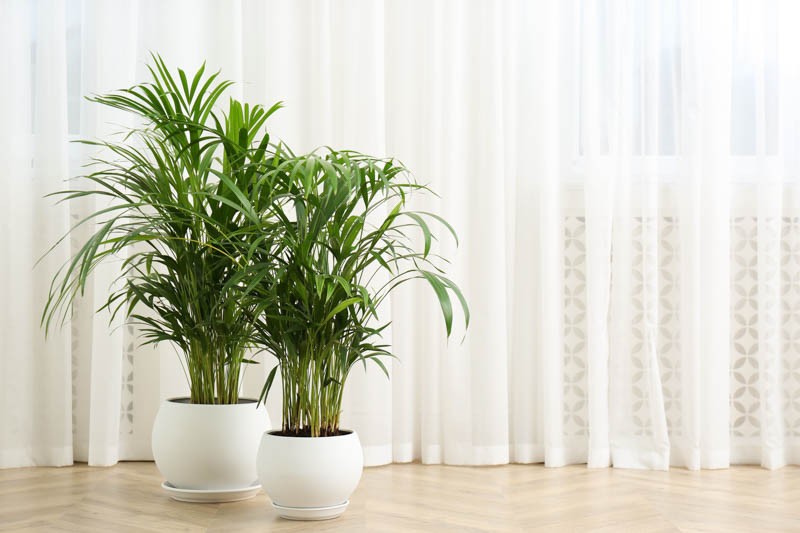


Chamaedorea cataractarum, commonly known as the Cat Palm or Cascade Palm, is a graceful, clumping palm prized for its lush foliage and its ability to thrive indoors and in shaded outdoor locations. Its dense, fountain-like growth makes it particularly attractive for creating a tropical atmosphere in homes, offices, or shaded gardens.
The Cat Palm (Chamaedorea cataractarum) is a lush, clumping palm prized for its graceful, arching fronds and fountain-like growth habit. It thrives in bright, indirect light and consistently moist soil, making it an excellent choice for indoor spaces or shaded outdoor gardens. Its dense foliage creates a tropical feel, and as a non-toxic, pet-friendly plant, it’s ideal for homes with cats and dogs. Cat Palms also help purify indoor air.
Native: Originating from the riversides and tropical rainforests of southern Mexico and Central America, Cascade Palm thrives in consistently moist, shaded environments. The Cat Palm belongs to the palm family (Arecaceae), such as the Christmas Palm, Majesty Palm, Areca Palm, Acai Palm, or Saw Palmetto.
Plant Type and Habit: Ca Palm is a clumping evergreen palm, growing multiple slender stems that form a dense, fountain-like mound. Its naturally compact spreading habit makes it ideal for indoor planters or underplanting in shaded gardens.
Size: Indoors, Cat Palm typically grows 4-6 feet tall (120-180 cm) with a spread of 2 feet (60 cm). In outdoor tropical environments, it may reach up to 8 feet tall (240 cm) with a broader spread.
Flower: Although grown primarily for its foliage, the Cat Palm produces small, inconspicuous, cream-colored flowers in panicles, followed by tiny, round fruits. Indoor plants rarely bloom.
Foliage: Cat Palm’s deep green, arching fronds can reach up to 3 feet long (90 cm), with multiple narrow, lance-shaped leaflets creating a full, lush appearance. The foliage is soft to the touch, unlike some palms with spiny or rigid leaves.
Stems: Cat Palm grows in dense clumps with slender, cane-like stems emerging directly from the base, contributing to its fountain-like form. The stems lack the bamboo-like rings seen in some other Chamaedorea species.
Hardiness: This indoor palm plant is hardy in USDA zones 10-11. It can tolerate brief cold snaps down to about 30°F (-1°C) but thrives in consistently warm, humid climates.
Uses: Cat Palm is popular as a houseplant, thriving in bright but indirect light. It’s also suitable for outdoor shaded patios, tropical gardens, or as an underplanting for taller trees. Its lush greenery softens spaces, adding a natural, tropical touch. For more indoor palm ideas, explore Palm Trees That Thrive Indoors: 15 Stunning Options.
Toxicity: Cat Palm is non-toxic to pets and humans, making it a safe choice for homes with curious cats, dogs, or small children.
Benefits: Beyond its beauty, the Cat Palm helps purify indoor air by filtering out common toxins. Its lush foliage also contributes to increased humidity in dry indoor environments, making it a beneficial addition to bedrooms, living rooms, and offices. Palm Tree Facts You Didn’t Know
With its graceful fronds, adaptability to indoor and outdoor settings, air-purifying qualities, and pet-friendly nature, the Cat Palm is a top choice for adding tropical beauty to your space. Whether as a lush accent in a living room corner or a serene backdrop in a shady garden bed, this palm delivers year-round beauty with relatively low maintenance.
For more palm tree inspiration, explore our complete guide: Top Palm Tree Varieties Perfect Picks for Home Gardeners.
Light: Cascade Palm prefers bright, indirect light but can tolerate lower light levels. Avoid harsh direct sunlight, which can scorch its leaves.
Soil: Use a well-draining potting mix, preferably one formulated for palms. Adding peat moss or organic matter helps retain moisture while ensuring drainage.
Water: Keep soil consistently moist but not soggy. Cascade Palm dislikes drying out, but overwatering can cause root rot. Water when the top inch feels dry.
Humidity: This palm loves humidity. Mist the foliage regularly, use a humidifier, or place the pot on a pebble tray to maintain humidity levels.
Temperature: Maintain indoor temperatures between 65°F and 80°F (18°C-27°C). Avoid drafts, heating vents, or sudden temperature changes.
Fertilizer: Feed monthly during the growing season with a balanced, water-soluble fertilizer. Reduce feeding in fall and winter.
Pruning: Trim any yellowing or damaged fronds at the base to maintain a neat appearance.
Climate: Best suited for USDA zones 10-11, where winters are mild. In cooler climates, grow in containers and move indoors before frost.
Location: Plant in partial to full shade, mimicking its natural habitat under taller trees.
Soil: Moist, fertile, and well-drained soil is ideal. Enrich with organic matter when planting.
Watering: Water regularly, particularly during hot or dry spells. Avoid waterlogged soil.
Mulching: Apply organic mulch around the base to help retain moisture and regulate soil temperature.
Winter Care: In borderline climates, protect from frost with blankets or frost cloth. In colder zones, overwinter in a bright, humid indoor location.
Choose a container with good drainage holes to prevent waterlogging, as Cat Palms are sensitive to root rot. Use a well-draining potting mix—preferably one designed for palms—or mix standard potting soil with sand and perlite to enhance drainage. A slightly acidic to neutral soil pH (6.1 to 7.5) is ideal.
Cat Palms are slow growers, so they only need repotting every 2-3 years. When roots begin to emerge from the drainage holes or the plant becomes root-bound, it’s time to repot. Choose a pot one size larger than the current container. Repot in spring for the least stress. Gently loosen the root ball and refresh the soil to replenish nutrients. Avoid planting too deep—keep the crown at soil level.
Cat Palms can benefit greatly from being moved outdoors during warm months, where they can enjoy increased light and humidity. Place the palm in a shady to partially shaded spot, avoiding direct afternoon sun, which can scorch its delicate fronds. Gradually acclimate the plant to outdoor conditions over a few days to prevent shock.
Temperature: Move the plant outdoors when night temperatures stay consistently above 60°F (15°C).
Watering: Outdoor air and heat may dry the soil faster than indoors, so check regularly and water when the top inch feels dry.
As temperatures dip below 60°F (15°C), bring your Cat Palm back indoors. Acclimate the plant gradually by moving it to a shady, sheltered area for a few days before returning it inside. This helps the plant transition from higher outdoor light to lower indoor light.
Check for Pests: Before bringing indoors, inspect for spider mites, mealybugs, and aphids. Rinse the leaves with water and treat if necessary.
Indoor Placement: Choose a bright spot with indirect light and good humidity, away from heaters or drafts.
Cat palms can be propagated most effectively by separating offshoots, also known as suckers, from the plant’s root system. These offshoots are smaller clumps that naturally form at the base of a mature cat palm. Many offshoots already have their own roots, making this process simple and reliable.
Best Time for Propagation: Spring is the ideal time to propagate cat palms as the plant enters its active growth phase. This timing helps the offshoot establish faster.
With this method, you can expand your cat palm collection or share healthy offshoots with fellow plant lovers — no need to purchase new plants when your existing cat palm provides all the propagation material you need.
Cat Palm is relatively resistant to many pests and diseases. However, like all indoor plants, it can encounter some common issues.
Cat Palms prefer bright, indirect light but can tolerate partial shade. Direct sunlight, especially strong afternoon sun, may scorch the leaves. Indoors, they thrive near east or north-facing windows. Outdoors, they grow well in dappled shade or areas with morning sun and afternoon shade. Explore 15 stunning indoor palm trees.
Yes, Cat Palms are excellent indoor plants due to their compact size, lush fountain-like growth, and air-purifying qualities. They thrive in bright, indirect light with consistently moist soil and high humidity. Their pet-friendly, non-toxic nature makes them perfect for homes with cats and dogs. See the best air-purifying houseplants.
Yes. According to the ASPCA, Cat Palms (Chamaedorea cataractarum) are non-toxic to cats and dogs. Even if pets nibble on the leaves, the plant poses no serious health risks. Discover 32 indoor plants toxic to dogs and 32 dangerous to cats
The name “Cat Palm” is a shortened form of its botanical name cataractarum, referring to its natural habitat near waterfalls and streams in Mexico and Central America. It is not directly related to cats, though its pet-friendly qualities have helped popularize the name.
Indoors: Typically grows 4–6 ft (120–180 cm) tall with a spread of 2 ft (60 cm).
Outdoors (tropical climates): May reach 8 ft (240 cm) tall with a wider spread.
Keep soil consistently moist, but avoid soggy conditions (water when the top inch is dry).
Loves humidity → mist regularly, use a humidifier, or place on a pebble tray.
Maintain temperatures between 65–80°F (18–27°C).
Feed monthly with a balanced fertilizer during the growing season.
Use a well-draining potting mix formulated for palms, enriched with peat moss or organic matter. Slightly acidic to neutral soil (pH 6.1–7.5) is ideal.
Every 2–3 years or when the plant becomes root-bound. Repot in spring using a container one size larger, ensuring good drainage.
Yes, in USDA zones 10–11. Plant in partial to full shade, in moist, fertile soil. Water regularly, especially in hot, dry weather, and mulch to retain moisture. In cooler zones, grow in containers and bring indoors before frost.
Cat Palms are propagated by dividing offshoots (suckers) from the base of the plant in spring. Each sucker should have some roots attached. Pot them separately in palm potting mix and keep in a humid, shaded environment until established.
Yellow leaves: Overwatering, poor drainage, or nutrient deficiency.
Brown leaf tips: Low humidity, irregular watering, or too much fertilizer.
Slow growth: Insufficient light or nutrients.
Pests: May be affected by spider mites, mealybugs, or scale insects.
| Hardiness |
10 - 11 |
|---|---|
| Plant Type | Houseplants, Palms - Cycads |
| Plant Family | Arecaceae |
| Exposure | Partial Sun, Shade |
| Season of Interest | Spring (Early, Mid, Late), Summer (Early, Mid, Late), Fall, Winter |
| Height | 4' - 6' (120cm - 180cm) |
| Spread | 2' (60cm) |
| Spacing | 24" (60cm) |
| Maintenance | Low |
| Water Needs | Average |
| Soil Type | Loam, Sand |
| Soil pH | Acid, Neutral, Alkaline |
| Soil Drainage | Well-Drained |
| Characteristics | Showy, Evergreen |
| Tolerances | Full Shade |
| Garden Uses | Beds And Borders, Patio And Containers |
| Garden Styles | Mediterranean Garden |
| Toxic to Humans | No known toxicity |
| Toxic to Cats | Not toxic |
| Toxic to Dogs | Not toxic |
| Toxic to Horses | Not toxic |


| Hardiness |
10 - 11 |
|---|---|
| Plant Type | Houseplants, Palms - Cycads |
| Plant Family | Arecaceae |
| Exposure | Partial Sun, Shade |
| Season of Interest | Spring (Early, Mid, Late), Summer (Early, Mid, Late), Fall, Winter |
| Height | 4' - 6' (120cm - 180cm) |
| Spread | 2' (60cm) |
| Spacing | 24" (60cm) |
| Maintenance | Low |
| Water Needs | Average |
| Soil Type | Loam, Sand |
| Soil pH | Acid, Neutral, Alkaline |
| Soil Drainage | Well-Drained |
| Characteristics | Showy, Evergreen |
| Tolerances | Full Shade |
| Garden Uses | Beds And Borders, Patio And Containers |
| Garden Styles | Mediterranean Garden |
| Toxic to Humans | No known toxicity |
| Toxic to Cats | Not toxic |
| Toxic to Dogs | Not toxic |
| Toxic to Horses | Not toxic |
How many Chamaedorea cataractarum (Cat Palm) do I need for my garden?
| Plant | Quantity | |
|---|---|---|
| Chamaedorea cataractarum (Cat Palm) | N/A | Buy Plants |
Create a membership account to save your garden designs and to view them on any device.
Becoming a contributing member of Gardenia is easy and can be done in just a few minutes. If you provide us with your name, email address and the payment of a modest $25 annual membership fee, you will become a full member, enabling you to design and save up to 25 of your garden design ideas.
Join now and start creating your dream garden!
Create a membership account to save your garden designs and to view them on any device.
Becoming a contributing member of Gardenia is easy and can be done in just a few minutes. If you provide us with your name, email address and the payment of a modest $25 annual membership fee, you will become a full member, enabling you to design and save up to 25 of your garden design ideas.
Join now and start creating your dream garden!