Soursop, Graviola, Guanábana, Guyabano, Prickly custard apple, Brazilian pawpaw, Anona, Corossol, Corossol épineux, Corossolier, Corossolier épineux, Corossol grand, Corossol murique, Corossolier grand, Sapote agrio, Sirsak, Zuurzak, Nangka blanda, Nangka londa, Durian benggala, Durian belanda, Evo, Aluguntugui, Sorsaka, Adunu, Atti, Babana, Bayuban, Guiabano, Tiep banla, Tiep barang, Reishi togeban, Khan thalot, Seri kaya belanda, Jaca de pobre, Jaca do Pará, Jaca de pobre, Katara, Sasalapa, Toge-banreisi, Amba Shoukh, Mullaatha, Shul-ram-fal, Lakshmana Phala,
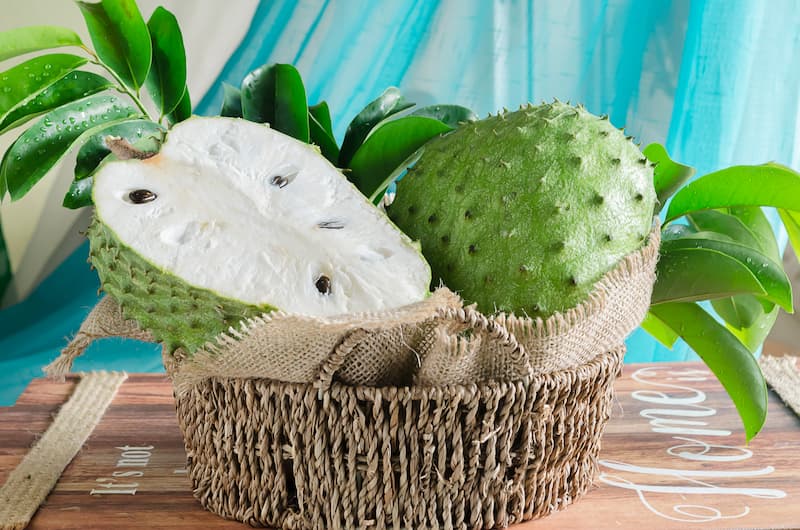
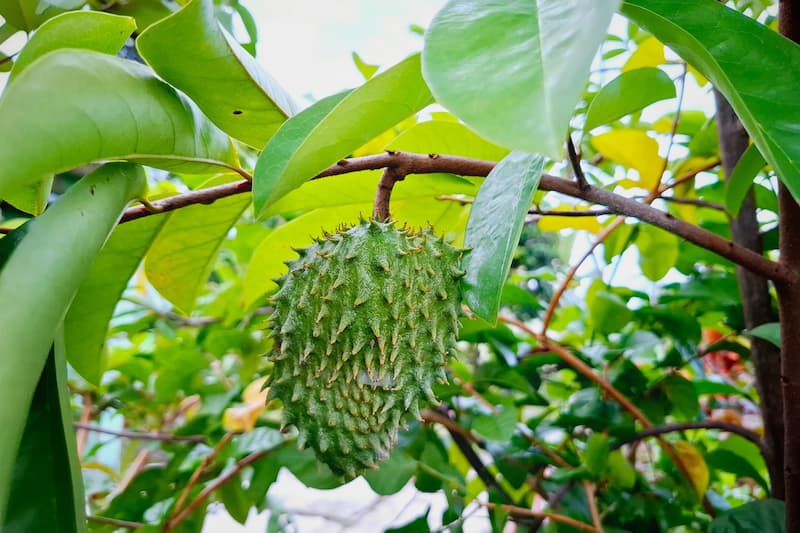
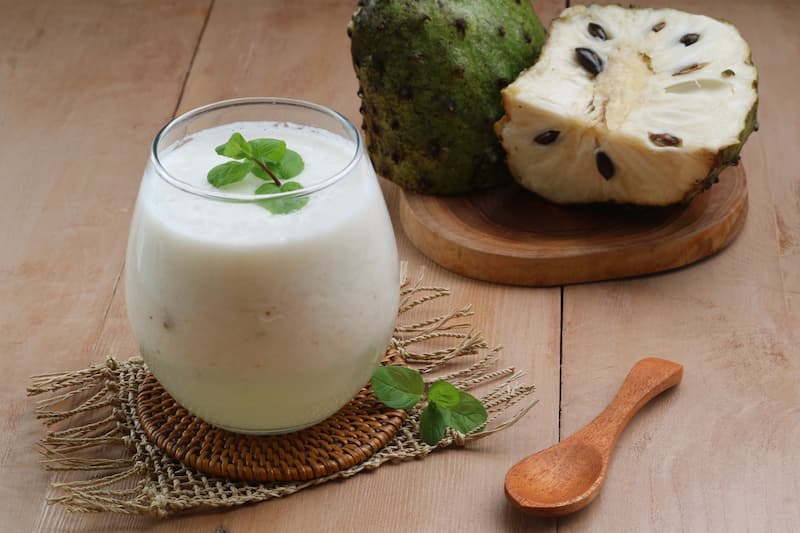
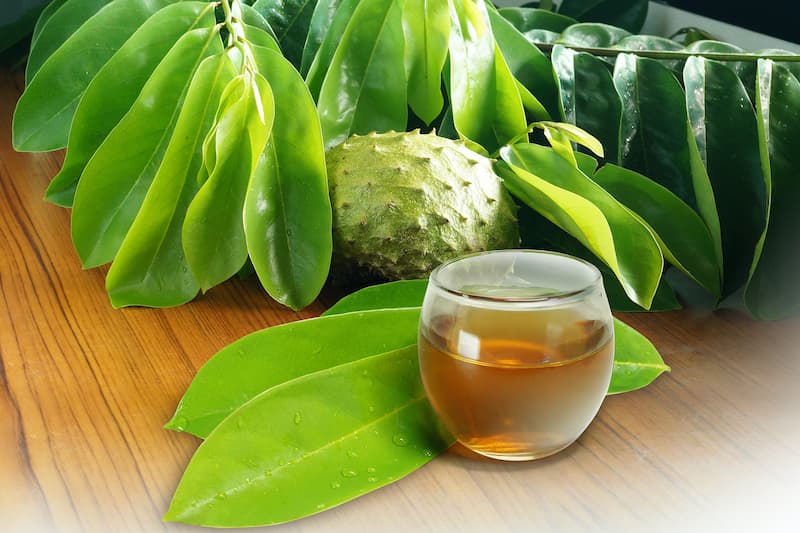


Summary: Tropical evergreen bearing large, spiny green fruits with luscious, white custard-like pulp. Flavor blends strawberry, pineapple, and citrus, with banana-like creaminess. Popular fresh, in juices, smoothies, and desserts; leaves used in traditional herbal teas.
Taste: sweet–tart tropical custard.
Use: fresh pulp, juice, smoothies, sorbets, ice creams; traditional leaf tea (see Safety).
Safety: Seeds and leaves contain annonacin; avoid ingesting seeds and limit frequent/high-dose use of teas/extracts.
| Botanical Name | Annona muricata L. |
|---|---|
| Family | Annonaceae (Custard-apple family) |
| Common Names | Soursop, Graviola, Guanábana, Guyabano, Prickly custard apple |
| Native Range | Tropical Americas & Caribbean; widely cultivated in Africa and Southeast Asia |
| Plant Type & Habit | Evergreen small tree with open, spreading canopy; beetle-pollinated flowers on trunk/branches |
| Hardiness (USDA) | 10–11; frost-sensitive (<5 °C / 41 °F) |
| Size | 20–30 ft (6–9 m) tall × 10–15 ft (3–4.5 m) wide |
| Sun & Exposure | Full sun; shelter from strong, drying winds |
| Soil | Well-drained sandy loam to loam; slightly acidic–neutral (pH ~5.5–7.0) |
| Bloom & Fruit | Thick yellowish flowers; large spiny green fruits ripen to yellow-green; soft white aromatic pulp with inedible seeds |
| Wildlife | Flowers visited by nitidulid/other beetles; ripe fruit attracts mammals and birds |
| Toxicity | Seeds and leaves contain annonacin (neurotoxic); do not ingest seeds; limit high-dose teas/extracts; fruit pulp fine in moderation |
| Invasiveness | Can naturalize in some tropical regions; check local guidance before planting near wildlands |
| Primary Uses | Fresh eating, juices/smoothies, frozen pulp, desserts; traditional herb tea from leaves; ornamental/shade in tropics |
Annona muricata, commonly known as soursop, graviola, or guanábana, is a tropical fruit with a bizarrely spiked green exterior and lusciously creamy white interior. Native to Central and South America and the Caribbean, this evergreen tree produces one of the most talked-about fruits on the internet. Known for its unique flavor—a blend of strawberry, pineapple, and citrus, with a banana-like texture—soursop is more than just delicious. It’s packed with antioxidants, traditional remedies, and an ever-growing fan base.
The Soursop tree belongs to the Annonaceae family, commonly known as the custard apple family. This diverse group includes a variety of tropical and subtropical fruit trees prized for their unique flavors and ornamental value. Notable members of this family include Annona glabra (Pond Apple), Annona squamosa (Sugar Apple), and Asimina triloba (Pawpaw).
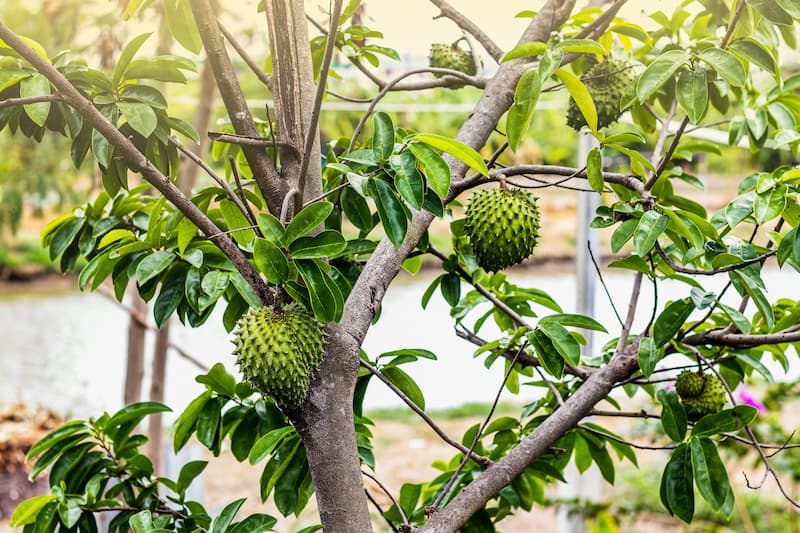
Soursop fruit is large, green, and covered in soft spines. It can grow up to 8 inches (20 cm) long and weigh over 10 pounds (4.5 kg). Inside, the pulp is soft, white, and juicy with a rich, custard-like consistency. The flavor? A tropical party: tart like citrus, sweet like strawberries, with a banana-like creaminess.
Soursop is native to the tropical Americas but has spread to Southeast Asia, Africa, and even parts of southern Florida. It thrives in humid lowlands up to 3,900 feet (1,200 m) in elevation.
The soursop tree is a small to medium-sized, upright evergreen with a loose, spreading canopy and slightly drooping branches. The trunk is short and often irregular, branching low near the ground. New growth tends to be soft and slightly hairy, while mature branches become more woody and angular.
A mature soursop tree grows up to 30 feet (9 m) tall and spreads around 10 to 15 feet (3-4.5 m) wide. It has a relatively fast growth rate in suitable climates. Soursop is a rapid grower, producing fruit in 3–5 years from seed.
Soursop flowers are thick, yellowish, and appear directly on the trunk or large branches. They have three outer and three inner petals, covered in soft hairs, and are pollinated by beetles. Soursop is self-fertile, but hand pollination can increase fruit set, especially in low-humidity climates.
The fruits are leathery-skinned, spiny, and oval, turning from dark green to yellow-green as they ripen. The white pulp is juicy and aromatic, packed with seeds (though immature segments are seedless). Tropical Fruits You Have Probably Never Heard of (But Should Try!)
The leaves are smooth, glossy, oblong, and deep green on top with a lighter underside. They contain potent antioxidants and are widely used in herbal teas.
Soursop grows in USDA zones 10–11. It’s frost-sensitive and should be protected or grown in containers in cooler climates. Soursop trees thrive in warm, humid climates and are intolerant of frost below 5 °C (41 °F).
Soursop isn’t just a tropical treat—it’s a multi-purpose plant with culinary, medicinal, cultural, and even cosmetic roles. From refreshing juices to herbal remedies, here’s how the soursop fruit and soursop tree are used around the world:
The fruit pulp of soursop is safe and nutritious when consumed in moderation. However, the seeds are toxic and must be removed before eating, as they contain annonacin, a neurotoxin that can be harmful if ingested. Soursop leaves, bark, and roots are commonly used in traditional medicine, but excessive or prolonged use—especially in the form of soursop tea or soursop bitters—has been associated with neurotoxic effects that may resemble Parkinson’s disease symptoms. These risks are primarily linked to high concentrations of annonacin and are still under scientific investigation. Pregnant or breastfeeding individuals, and those on medication for blood pressure or blood sugar, should consult a healthcare provider before using soursop supplements or herbal remedies.
Although highly valued for its fruit, the soursop tree can become invasive in certain tropical or subtropical regions outside its native range. It readily establishes in disturbed areas, spreads by seed, and may outcompete native vegetation, particularly in islands or ecologically sensitive areas. In places like parts of Southeast Asia and the Pacific Islands, it is already considered naturalized or invasive. Gardeners and growers should consult local environmental guidelines or agricultural extension services before planting soursop, especially near wild or protected habitats.
| Nutrient | Per 100g (Raw Fruit) |
|---|---|
| Calories | 66 kcal |
| Carbohydrates | 16.8 g |
| Sugars | 13.5 g |
| Fiber | 3.3 g |
| Protein | 1 g |
| Fat | 0.3 g |
| Water | 81 g |
| Vitamin C | 34% DV (30–46 mg) |
| Potassium | 8% DV (278–630 mg) |
| Magnesium | 5% DV (21–45 mg) |
| Thiamine (B1) | 5% DV (0.07–0.2 mg) |
| Iron | 8% DV |
| Folate | 8% DV |
DV = Daily Value based on a 2,000-calorie diet. Nutritional values may vary slightly depending on ripeness and variety.
Cut it open once soft and scoop out the creamy pulp with a spoon. Avoid the seeds—they’re toxic. Eat fresh, freeze for smoothies, or blend for juice.
Blend the pulp with water and strain to make refreshing juice. Add lime, honey, ginger, or vanilla for extra flair.
Made by boiling soursop leaves in water for 10 minutes. Often enjoyed as a calming herbal infusion and used in traditional medicine.
A traditional remedy made from soursop bark, leaves, and roots. Claimed to support digestion, detoxification, and immunity—though clinical studies are lacking.
Extracted from seeds or leaves, used topically in folk medicine. It is rich in antioxidants but should not be ingested.
The soursop tree is a rewarding tropical fruit tree to grow if you live in a warm, humid climate. With the right care, it can produce delicious, spiky green fruits with soft, aromatic pulp in just a few years. Here’s how to cultivate your own soursop successfully:
Soursop thrives in USDA hardiness zones 10–11 and needs temperatures consistently above 5°C (41°F). It cannot tolerate frost and performs best in humid, tropical conditions with full sun exposure and protection from strong winds.
Provide full sun—at least 6 to 8 hours per day—for optimal growth and fruit production. In shadier areas, the tree may grow slowly and produce fewer or smaller fruits.
This tree prefers well-drained sandy loam or loamy soil with a slightly acidic to neutral pH (around 5.5–7.0). Avoid heavy clay or poorly draining soils, which may lead to root rot.
Water young soursop trees regularly to keep the soil consistently moist but not soggy. Mature trees are moderately drought-tolerant but benefit from deep watering during dry periods or flowering and fruiting stages.
Feed soursop trees with a balanced fertilizer (e.g., 10-10-10 NPK) every 2–3 months during the growing season. Add compost or well-rotted manure annually to improve soil fertility and moisture retention.
Prune lightly to shape the tree, remove dead or crossing branches, and improve air circulation. Regular pruning helps maintain a manageable size and encourages better fruiting.
Mulching helps retain moisture and protect shallow roots.
In cooler climates, soursop can be grown in a large container and overwintered indoors. Use a 15–20 gallon pot with drainage holes and a well-draining soil mix. Keep the tree in a sunny location and maintain high humidity indoors.
With patience and the right care, your soursop tree will reward you with luscious fruit and lush, tropical greenery—perfect for backyard growers in warm regions.
Harvesting soursop at the right stage is key to enjoying its flavor and nutritional benefits. While the fruit doesn’t fully ripen on the tree, careful timing and proper storage will ensure you get the best out of each spiky green gem.
Soursop is typically ready to pick when the skin turns from dark green to a lighter yellow-green and the fruit yields slightly to gentle pressure. The spines may become more flexible, and the surface loses its gloss. Fruits left too long on the tree may fall and bruise, so pick them once mature and let them ripen off the tree.
Use clean pruning shears or a sharp knife to clip the fruit at the stem, taking care not to damage the tender skin. Handle fruits gently, as they bruise easily. Wear gloves if the tree is tall or dense to avoid irritation from leaves or sap.
Place unripe soursop fruit in a dark, cool place (like a pantry or paper bag) and allow it to ripen over 2–4 days. It should soften all over and give slightly under pressure when ready to eat. Once ripe, consume within 1–2 days for the best flavor and texture.
Properly harvested and stored soursop delivers maximum flavor and nutrition—whether eaten fresh, blended into a smoothie, or frozen for a tropical treat later.
Soursop can be propagated by seed or grafting. While growing from seed is the most common method for home gardeners, grafting is preferred in commercial orchards to ensure consistent fruit quality and faster production.
Soursop can be propagated from semi-hardwood cuttings, though success rates are low compared to seed and grafting. Rooting hormone and consistent humidity are required. This method is more experimental and not widely practiced.
Whether you’re starting from seed or grafting a cultivar, growing your own soursop tree is a rewarding process that, with care and patience, yields delicious tropical fruit and a beautiful garden presence.
The soursop tree is susceptible to a range of pests and fungal infections, particularly in warm, humid environments. Regular monitoring and good garden hygiene can help minimize most problems.
With proper attention to pest and disease prevention, your soursop tree will remain productive, healthy, and lush year-round.
Soursop (Annona muricata), also known as guanabana, graviola, paw-paw, or sirsak, is a large, spiny green fruit native to Central and South America and the Caribbean. The fruit has a soft, white, fibrous pulp and a distinctive aroma. Its flavor is a tropical blend of sweet and tangy, often described as a mix of strawberry, pineapple, and citrus, with creamy banana-like or coconut undertones. The texture is juicy, custard-like, and slightly fibrous, making it popular for fresh eating and in beverages and desserts.
Soursop is rich in vitamin C, which supports immune function and skin health. It is high in dietary fiber, aiding digestion and promoting gut health. The fruit contains antioxidants such as flavonoids, tannins, and acetogenins, which may help reduce inflammation, protect cells from damage, and provide antibacterial properties. Some early studies suggest soursop extracts may help lower blood sugar and have potential anticancer effects, but these findings are preliminary and not yet confirmed in humans.
Yes. Soursop seeds are toxic and should never be consumed. The fruit, leaves, and tea contain annonacin, a compound that may cause nerve damage if consumed in large amounts or over a long period. Overconsumption can increase the risk of neurological disorders similar to Parkinson’s disease. Soursop may also interact with diabetes and blood pressure medications. People with neurological conditions, liver or kidney disease, or those who are pregnant or breastfeeding should consult a healthcare provider before consuming soursop or its products.
To eat soursop, cut the ripe fruit in half and scoop out the soft, white pulp, removing all seeds. The pulp can be eaten fresh, blended into smoothies and juices, or used in desserts such as ice cream, sorbet, and cakes. Soursop is also sometimes used in jams, candies, and beverages.
Daily consumption of soursop tea is not recommended due to the risk of neurotoxicity from annonacin. Occasional use may be safe for healthy adults, but anyone with medical conditions or taking medication should consult a healthcare professional before drinking soursop tea regularly.
Yes, soursop fruit and related products are legal in the United States. They are available in specialty grocery stores and online. However, fresh soursop imports must be declared at customs and are subject to inspection.
Soursop is low in calories and high in fiber, which can promote satiety and support digestive health. While it can be a healthy addition to a weight-conscious diet, it should not be relied upon as a sole solution for weight loss.
Soursop has been used in traditional medicine to address infections, fever, pain, and digestive issues. Some laboratory studies indicate antibacterial and anti-inflammatory properties, but there are no FDA-approved uses for treating diseases, and claims about cancer treatment lack sufficient human clinical evidence.
If fresh soursop is unavailable, cherimoya, or a blend of pineapple and banana can provide a similar taste and texture. For teas, alternatives like moringa, ginger, or echinacea can offer comparable antioxidant benefits.
Unripe soursop should be left at room temperature to ripen. Once the fruit is soft and ripe, store it in the refrigerator and consume within 2–3 days. The pulp can also be scooped out and frozen for later use in smoothies, desserts, and drinks.
| Hardiness |
10 - 11 |
|---|---|
| Plant Type | Fruits, Trees |
| Plant Family | Annonaceae |
| Exposure | Full Sun |
| Season of Interest | Spring (Mid, Late), Summer (Early, Mid, Late) |
| Height | 20' - 30' (6.1m - 9.1m) |
| Spread | 10' - 15' (3m - 4.6m) |
| Maintenance | Low |
| Water Needs | Average |
| Soil Type | Loam, Sand |
| Soil pH | Acid, Neutral |
| Soil Drainage | Moist but Well-Drained |
| Characteristics | Showy, Fruit & Berries, Evergreen |
| Garden Uses | Beds And Borders, Patio And Containers |
| Garden Styles | Mediterranean Garden |
| Toxic to Humans | No known toxicity |
| Toxic to Cats | No known toxicity |
| Toxic to Dogs | No known toxicity |
| Toxic to Horses | No known toxicity |


| Hardiness |
10 - 11 |
|---|---|
| Plant Type | Fruits, Trees |
| Plant Family | Annonaceae |
| Exposure | Full Sun |
| Season of Interest | Spring (Mid, Late), Summer (Early, Mid, Late) |
| Height | 20' - 30' (6.1m - 9.1m) |
| Spread | 10' - 15' (3m - 4.6m) |
| Maintenance | Low |
| Water Needs | Average |
| Soil Type | Loam, Sand |
| Soil pH | Acid, Neutral |
| Soil Drainage | Moist but Well-Drained |
| Characteristics | Showy, Fruit & Berries, Evergreen |
| Garden Uses | Beds And Borders, Patio And Containers |
| Garden Styles | Mediterranean Garden |
| Toxic to Humans | No known toxicity |
| Toxic to Cats | No known toxicity |
| Toxic to Dogs | No known toxicity |
| Toxic to Horses | No known toxicity |
How many Annona muricata (Soursop) do I need for my garden?
| Plant | Quantity | |
|---|---|---|
| Annona muricata (Soursop) | N/A | Buy Plants |
Create a membership account to save your garden designs and to view them on any device.
Becoming a contributing member of Gardenia is easy and can be done in just a few minutes. If you provide us with your name, email address and the payment of a modest $25 annual membership fee, you will become a full member, enabling you to design and save up to 25 of your garden design ideas.
Join now and start creating your dream garden!
Create a membership account to save your garden designs and to view them on any device.
Becoming a contributing member of Gardenia is easy and can be done in just a few minutes. If you provide us with your name, email address and the payment of a modest $25 annual membership fee, you will become a full member, enabling you to design and save up to 25 of your garden design ideas.
Join now and start creating your dream garden!