The Prayer plant, with its striking foliage, stands out among house plants for being non-toxic and safe for homes with pets and children.
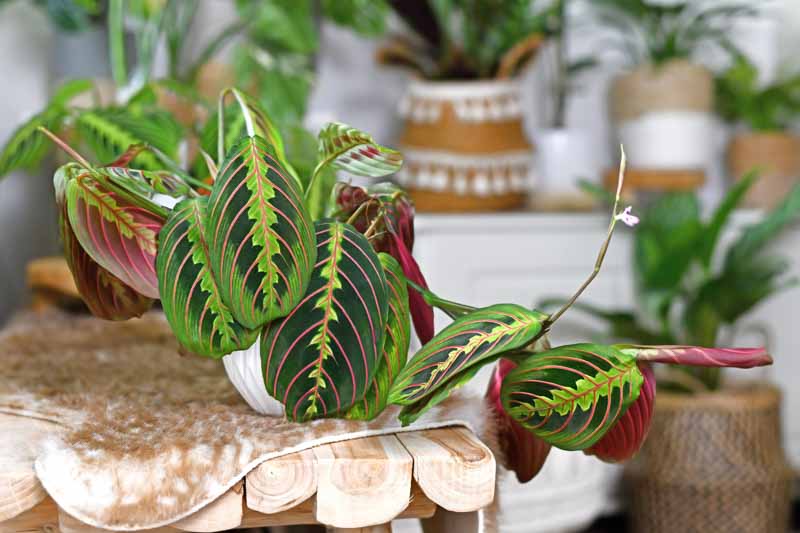
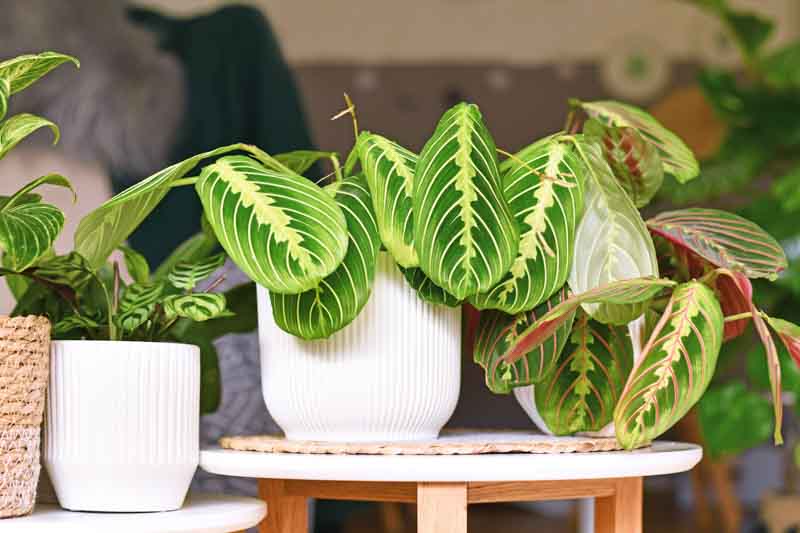


Maranta leuconeura, commonly known as the Prayer Plant, combines aesthetic appeal with functional benefits, offering a unique and safe option for adding greenery to indoor environments. Its care requirements align well with those looking for a low-maintenance, visually striking plant that also purifies the air.
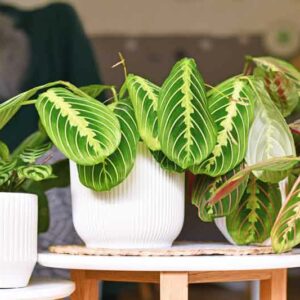
The Prayer Plant is celebrated for its striking, decorative leaves that exhibit a unique daily movement. The foliage, often featuring beautiful patterns and colors, folds together at night as if in prayer, which is the origin of its common name. This distinctive behavior, coupled with its vibrant leaves, makes it a fascinating addition to any indoor garden.
Native: This species is native to the tropical rainforests of Brazil, where it thrives under the canopy in warm, humid conditions. Its natural habitat has influenced its care requirements as a popular houseplant, necessitating environments that mimic the moisture and light levels of a rainforest floor.
Prayer Plants belong to the arrowroot family (Marantaceae), a group of plants known for the unique leaf movements of its members, attributed to changes in light. This family includes other well-known houseplants such as Calathea, that share similar care needs and environmental preferences.
Growth Habit: Prayer plants are evergreen, rhizomatous perennials valued primarily for their ornamental foliage rather than their flowers.
Size: Typically, Prayer Plants reach a modest height of about 6-12 inches (15-30 cm) with a similar spread. Their compact size makes it suitable for indoor environments where space may be limited.
Flowers: While it does produce flowers, they are small, white, and inconspicuous compared to the plant’s striking foliage. The flowers are often overlooked, as they rarely bloom indoors and do not contribute significantly to the plant’s ornamental value.
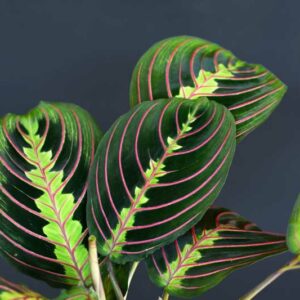
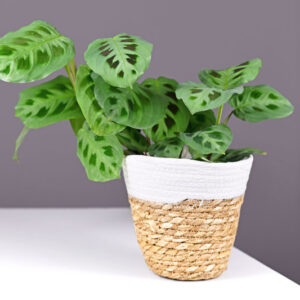
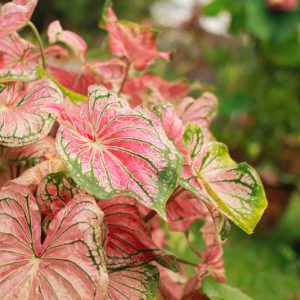
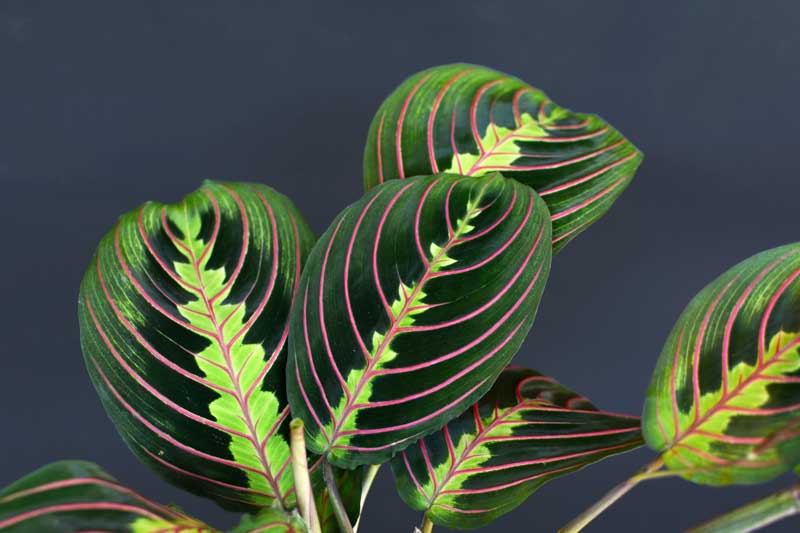
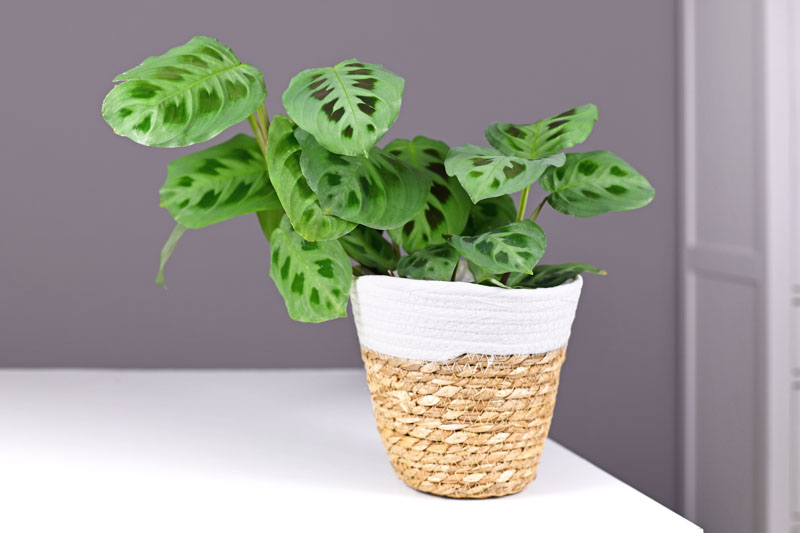
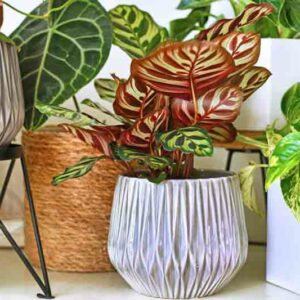
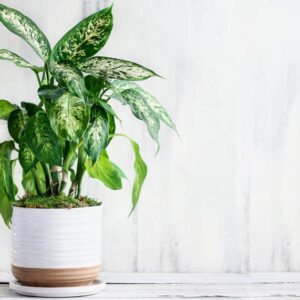
Foliage: The Prayer Plant’s foliage is its most notable feature, with leaves that can display a variety of patterns, including spots, stripes, and veining in shades of green, red, and even purple. The leaves’ ability to move in response to light adds to the plant’s allure.
Hardiness: As tropical plants, they prefer environments that mimic their native habitat—warmth and high humidity. They are not frost-tolerant and thrive in temperatures between 60°F and 80°F (15°C and 27°C). They are best suited to USDA hardiness Zones 11-12 if grown outdoors.
Uses: Beyond its decorative use, the Prayer Plant can contribute to a healthier indoor environment by improving air quality.
Toxicity: The Prayer Plant is non-toxic, making it a safe addition to homes, offices, and other spaces. This characteristic, along with its visual appeal and easy care, has contributed to its popularity as a houseplant.
| Hardiness |
11 - 12 |
|---|---|
| Plant Type | Houseplants, Perennials |
| Plant Family | Marantaceae |
| Genus | Maranta |
| Exposure | Partial Sun |
| Season of Interest | Spring (Early, Mid, Late), Summer (Early, Mid, Late), Fall, Winter |
| Height | 6" - 1' (15cm - 30cm) |
| Spread | 6" - 2' (15cm - 60cm) |
| Maintenance | Low |
| Water Needs | Average |
| Soil Type | Loam, Chalk, Clay, Sand |
| Soil pH | Acid, Neutral, Alkaline |
| Soil Drainage | Moist but Well-Drained, Well-Drained |
| Characteristics | Showy, Evergreen |
| Landscaping Ideas | Patio And Containers |
Prayer plants are special for several reasons:
Unique Leaf Movements: Their leaves fold upward at night, resembling hands in prayer, which is not only beautiful but fascinating to observe. This nyctinastic movement is thought to maximize light absorption and reduce moisture loss, adapting to their native rainforest environments.
Striking Foliage: They boast vibrant, patterned leaves with bold markings and colors, making them standout decorative plants. The contrast of dark green with hues of red, pink, white, and yellow on their leaves adds an exotic touch to indoor spaces.
Air Purification: Like many houseplants, prayer plants can improve indoor air quality by filtering out certain pollutants, contributing to a healthier living environment.
Non-toxic: They are safe for homes with pets and children, as they do not produce toxic substances that can harm cats or dogs if ingested.
Adaptability: Prayer plants can thrive in low-light conditions where other plants might struggle, making them suitable for indoor environments with less natural light.
Humidity Loving: Their love for high humidity levels makes them excellent plants for bathrooms or kitchens, where they can help balance moisture levels.
Lemon Lime Prayer Plant
Caring for a Prayer Plant involves meeting its specific light, water, humidity, and temperature requirements to ensure healthy growth.
Light: Prayer Plants prefer bright, indirect light. Direct sunlight can scorch the leaves, while too little light can cause the leaves to lose their vibrant patterns. A spot near an east or north-facing window is ideal, providing the plant with gentle morning sunlight and shade for the rest of the day.
Soil: Prayer Plants require well-draining soil rich in organic matter. A mix of peat, perlite, and compost is ideal, providing the necessary moisture retention and aeration to prevent root rot while supporting healthy growth.
Water: Keep the soil consistently moist but not waterlogged. Overwatering can lead to root rot, while underwatering can stress the plant. Use lukewarm water to avoid shocking the plant and allow the top inch of soil to dry out slightly before watering again.
Temperature and Humidity: Ideal temperatures range from 65°F to 80°F (18°C to 27°C). Avoid sudden temperature changes and keep the plant away from drafts, air conditioners, and heating vents. Prayer Plants are sensitive to cold and should not be exposed to temperatures below 60°F (15°C). These houseplants thrive in high-humidity environments, similar to their native tropical habitat. Increase humidity by placing the plant on a pebble tray filled with water, grouping it with other plants, or using a humidifier.
Fertilization: Fertilize every 4 weeks during the growing season (spring and summer) with a balanced, water-soluble fertilizer diluted to half the recommended strength. Reduce fertilization in fall and winter when the plant’s growth slows.
Pruning: Prune back any yellow or damaged leaves to encourage healthy growth. Regular pruning helps maintain a bushy, attractive shape.
Repotting: Repot in spring every 1-2 years or when the plant becomes root-bound. Use a pot only slightly larger than the previous one to avoid overwatering issues.
Fascinator Prayer Plant
Propagating a Prayer Plant can be a rewarding experience, allowing you to create new plants from an existing one. The most common methods for propagating Prayer Plants are through division and stem cuttings.
This method is best performed when repotting your Prayer Plant, typically in the spring.
Stem cuttings are an easy way to propagate Prayer Plants and can be done almost any time of the year.
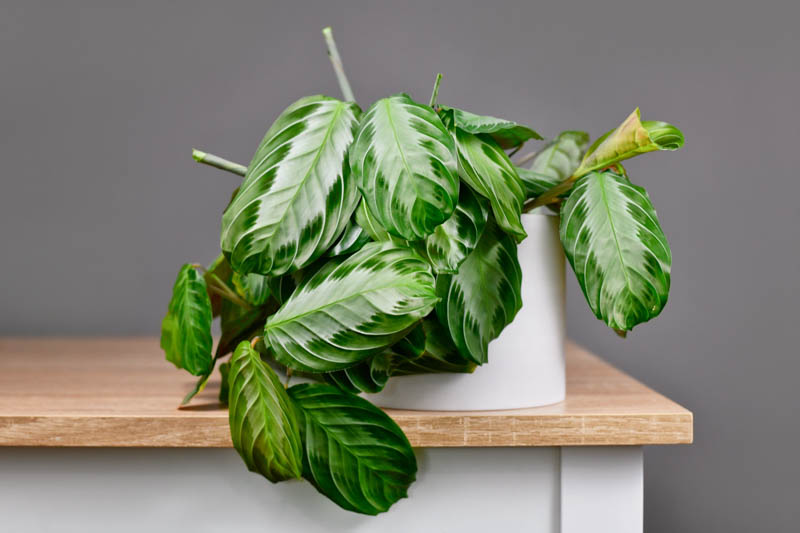
Silver Band Prayer Plant
Prayer Plants are relatively resistant to major problems, but like all indoor plants, they can encounter some pests, diseases, and common issues.
Spider Mites: These tiny pests can be identified by the fine webs they weave on the plant. They cause yellowing or speckled leaves. Increase humidity around the plant and wash it with a strong stream of water. For severe infestations, use insecticidal soap or neem oil.
Mealybugs: These white, cottony pests tend to cluster in leaf axils and under leaves, sucking sap and weakening the plant. Remove with alcohol-dipped cotton swabs or apply neem oil.
Root rot: Overwatering is the primary cause, leading to brown, mushy roots and yellowing leaves. Reduce watering, improve drainage, and repot the plant into fresh, well-draining soil. Severely affected roots should be trimmed before repotting.
Leaf spot: Fungal or bacterial infections can cause dark or black spots on leaves, often with a yellow halo. Increase air circulation, avoid wetting leaves when watering, and remove affected leaves. Fungicides or bactericides may be necessary in severe cases.
Yellow Leaves: Overwatering, poor drainage, or nutrient deficiencies can cause leaves to turn yellow. Adjust watering habits and ensure your plant has a balanced, diluted fertilizer during its growing season.
Brown Leaf Tips or Edges: Often a sign of low humidity or salt build-up from tap water. Increase humidity around the plant and use filtered or distilled water for irrigation.
Curling Leaves: Usually due to underwatering or low humidity. Ensure the plant is receiving enough water and consider using a pebble tray or humidifier to increase humidity.
Fading or Dull Leaves: Lack of light can cause the vibrant patterns on the leaves to fade. Move your Prayer Plant to a brighter location, but avoid direct sunlight, which can scorch the leaves.
Yes, you can cut the brown tips off your prayer plant. Use clean, sharp scissors to trim just the brown edges, leaving as much of the healthy leaf as possible. This can help improve the appearance of your plant and prevent any potential spread of disease. Be sure to address the underlying cause of the browning, such as low humidity, over-watering, or nutrient deficiencies, to prevent further damage.
It’s relatively rare for prayer plants to bloom, especially indoors. While they can produce small, white flowers, their flowering is not common in home environments due to the conditions required for blooming. The primary appeal of prayer plants is their attractive foliage rather than their flowers.
Prayer plants can multiply and are relatively easy to propagate. You can propagate them by division or by rooting stem cuttings in water or soil. When the plant becomes dense and pot-bound, dividing the plant during repotting can rejuvenate it and provide new plants to expand your collection or share with friends.
Prayer plants can attract pests, but they are not particularly more susceptible to bugs than other houseplants. Common pests include spider mites, mealybugs, and aphids. Maintaining proper care, including adequate humidity and cleanliness, can help prevent pest infestations. Regularly inspecting your plant for signs of pests and treating any issues promptly can keep your prayer plant healthy and pest-free.

| Hardiness |
11 - 12 |
|---|---|
| Plant Type | Houseplants, Perennials |
| Plant Family | Marantaceae |
| Genus | Maranta |
| Exposure | Partial Sun |
| Season of Interest | Spring (Early, Mid, Late), Summer (Early, Mid, Late), Fall, Winter |
| Height | 6" - 1' (15cm - 30cm) |
| Spread | 6" - 2' (15cm - 60cm) |
| Maintenance | Low |
| Water Needs | Average |
| Soil Type | Loam, Chalk, Clay, Sand |
| Soil pH | Acid, Neutral, Alkaline |
| Soil Drainage | Moist but Well-Drained, Well-Drained |
| Characteristics | Showy, Evergreen |
| Landscaping Ideas | Patio And Containers |
Create a membership account to save your garden designs and to view them on any device.
Becoming a contributing member of Gardenia is easy and can be done in just a few minutes. If you provide us with your name, email address and the payment of a modest $25 annual membership fee, you will become a full member, enabling you to design and save up to 25 of your garden design ideas.
Join now and start creating your dream garden!